Why this matters
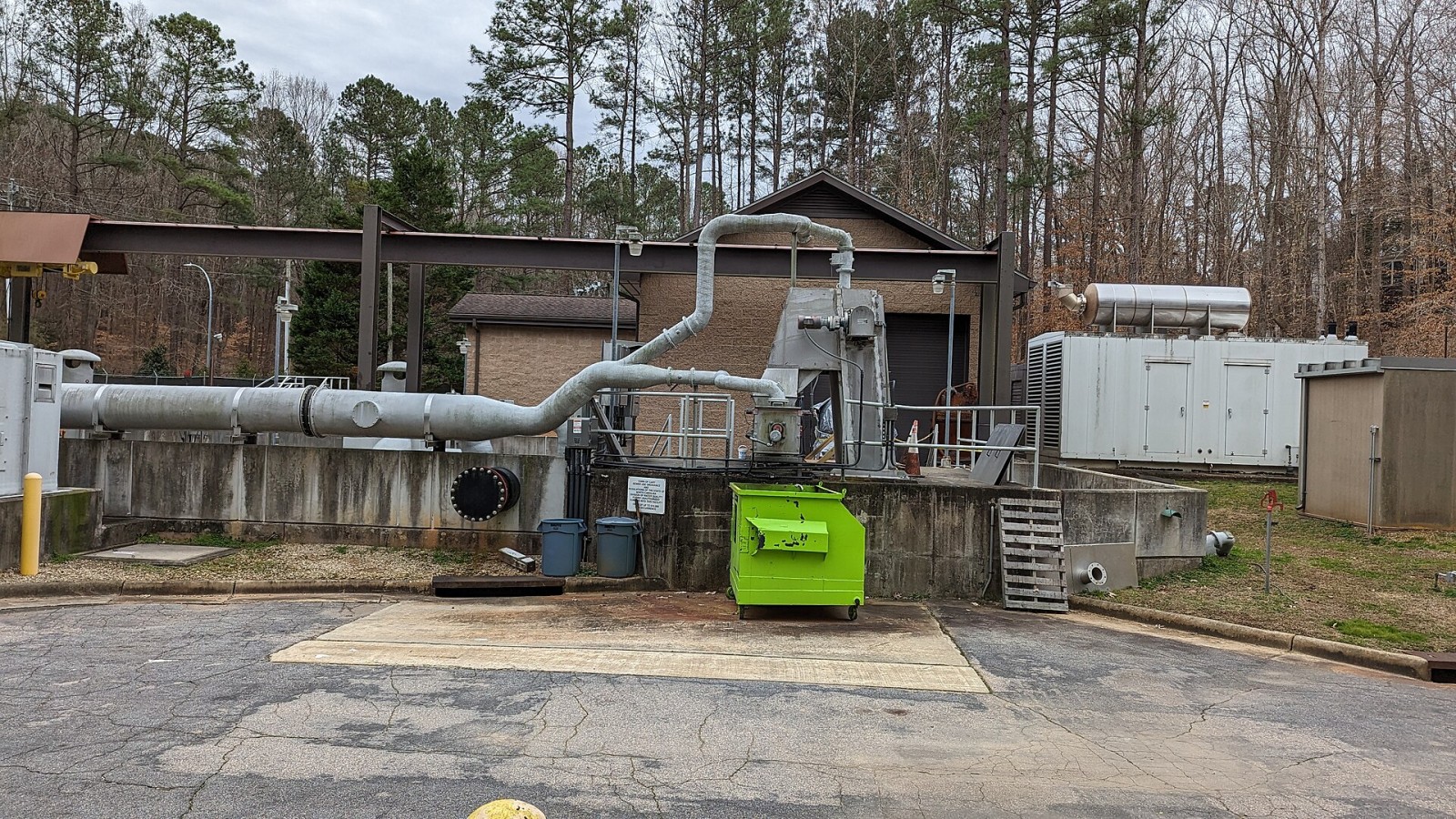
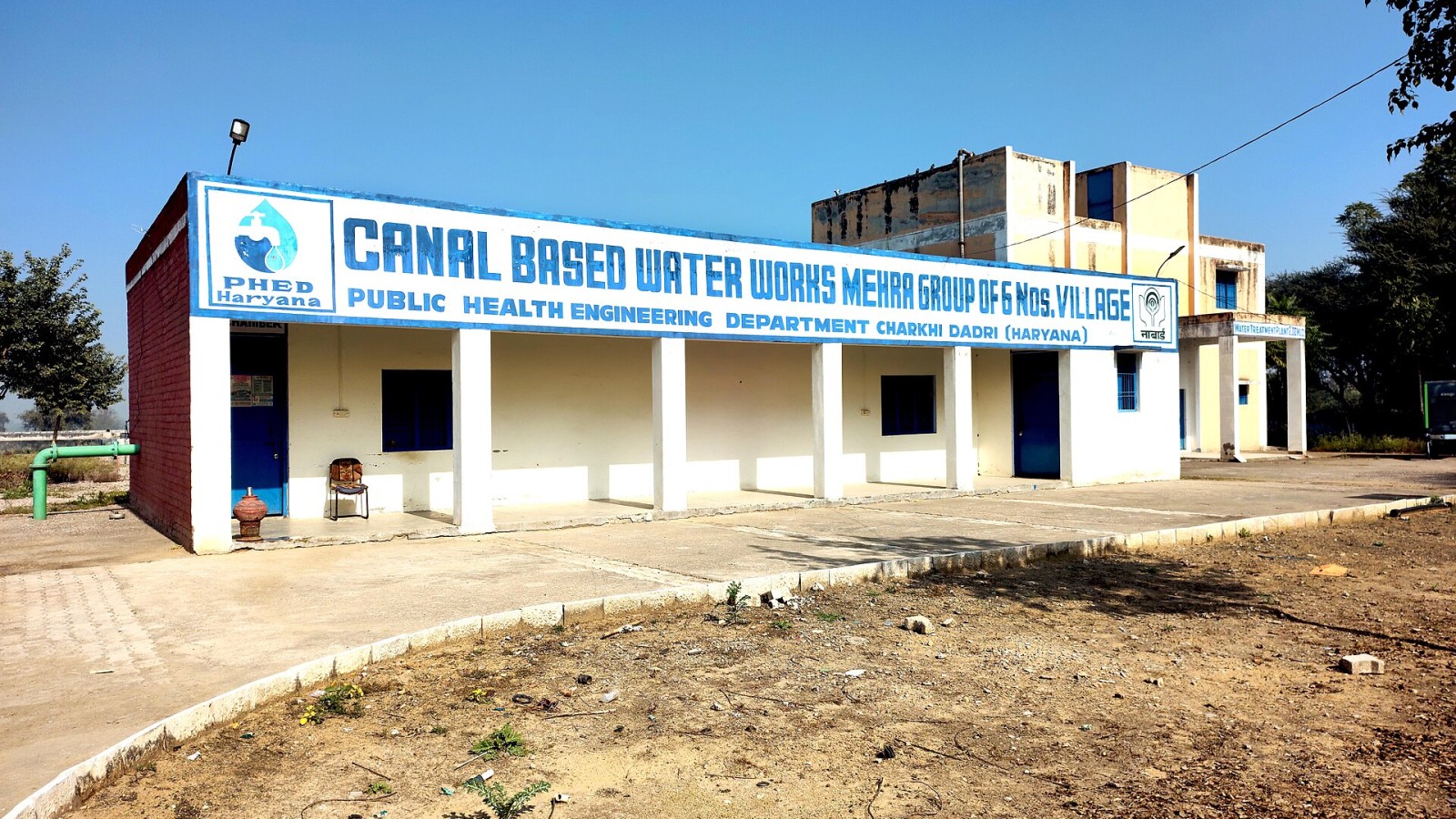
A treatment works combines structures, mechanical equipment, electrical supply, control systems, chemicals and laboratory monitoring. Each part can be complete while the integrated process remains unproven.
Before work starts
Commissioning plans should define raw-water conditions, process tests, power interruptions, alarm responses and the staff who will operate the plant. Chemical supply and waste handling must be ready too.
What to watch on site
Trial operation should demonstrate flow, water quality and reliability over a representative period. Defects and tuning changes belong in a controlled list with owners and dates.
Handover and the lasting record
Handover requires operating manuals, asset registers, spares, training and verified monitoring routines. The service test is the quality and continuity of water leaving the plant.
Editorial note
This practical article explains a project-control issue using the official reference listed below. Requirements depend on the contract, site, approving authority and current law; the responsible registered professional should confirm the project-specific position.
What we will track next
The next useful update should connect physical progress to service performance. For Commissioning a water-treatment works before calling it complete, that means identifying which assets are commissioned, who operates them, whether water-quality or effluent tests are current and how reliability is measured after handover. Published percentages are easier to assess when the reporting date, design capacity, actual flow and outstanding work appear together.
Readers should also look for power resilience, maintenance funding, trained operators and a defects process. Pipes, pumps, reservoirs and treatment units form one chain; completion of one component does not prove that the full service is working.
Sources
- Blue, Green and No Drop reports — Department of Water and Sanitation