The system behind the visible work
A standby pump can run during a workshop test and still fail to protect the system. Automatic valves may remain closed, controls may not transfer, the generator may trip under load or the receiving network may be unable to accept the restarted flow. Resilience must be demonstrated as an operational sequence, not inferred from separate equipment certificates.
The central lesson is that a municipal water or wastewater pump station with duty, standby and control systems intended to maintain service through equipment failure cannot be judged by its most visible component alone. Design information, construction sequence, inspection access and operating responsibility all influence whether the finished work performs. Decisions made early should therefore be recorded in a form that the site team can use and the owner can later trace.
Planning before production
The commissioning team should define failure scenarios for power loss, duty-pump trip, high level, communication failure and blocked discharge. Expected alarm, changeover and recovery times need measurable acceptance criteria. Storage or emergency containment determines how long operators have to respond. Tests must be planned with downstream facilities and public-service risk in mind.
A useful pre-start review converts those requirements into named hold points. It should identify the drawing or specification that applies, the person authorised to accept the work and the evidence required before the next activity hides it. Programme pressure is easier to manage when these decisions are part of the planned sequence rather than a late request from an inspector.
Control at the workface
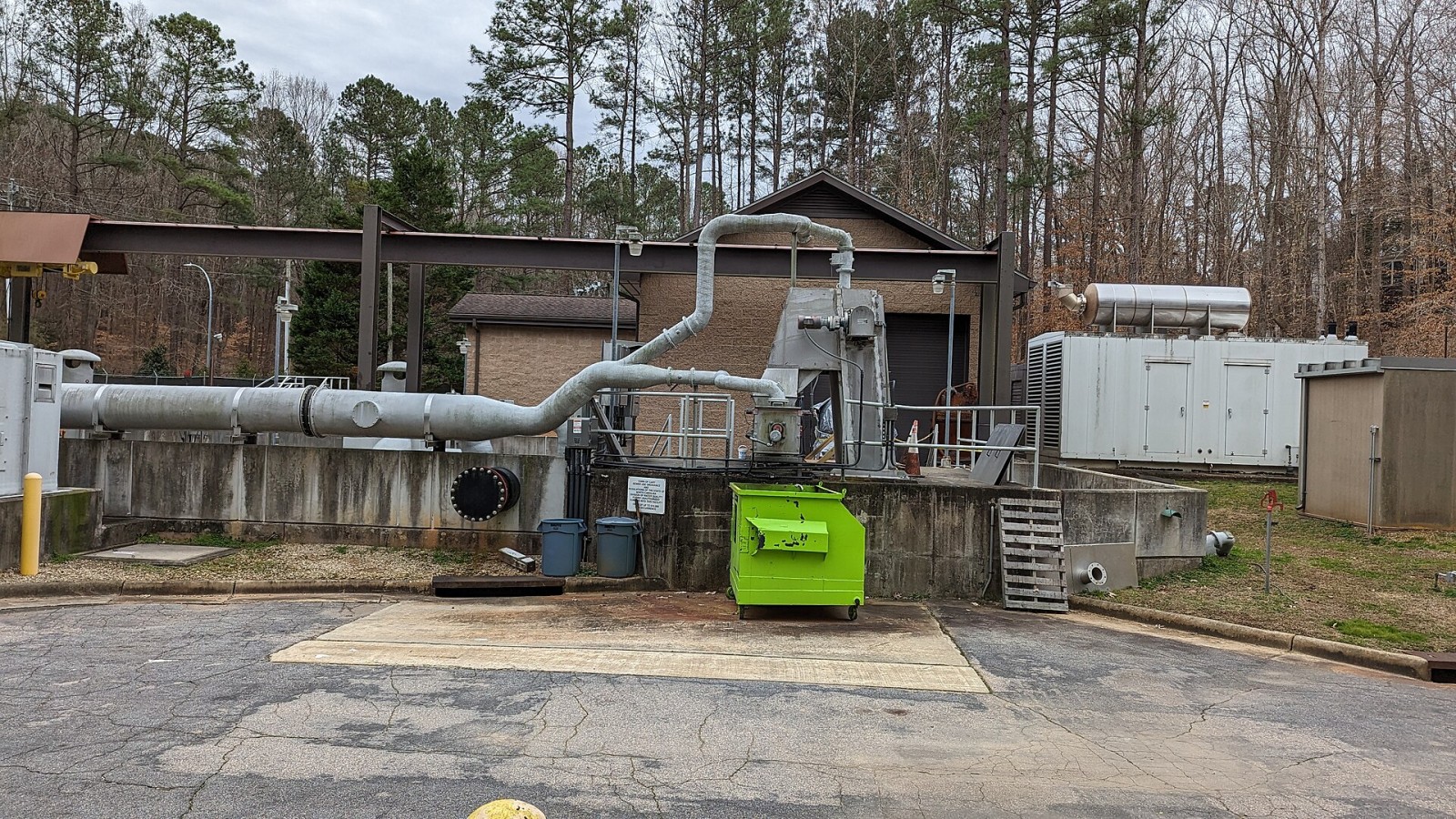
Equipment labels, valve positions and access routes should match the operating drawings. Wet wells, sumps and ventilation require safe procedures before inspection. Temporary bypasses used during construction must be removed or formally incorporated. Operators should verify that manual controls remain available without defeating automatic protection.
Site control depends on current information reaching the people doing the work. Superseded details should be removed, changes explained and unresolved questions logged before production continues. Supervisors also need enough time and access to examine the work. A signature added after concealment cannot recover the evidence that an effective inspection would have created.
Testing and evidence
Integrated tests should create controlled failures and record levels, pressure, flow, power, alarms and operator response. Duty rotation needs repeated starts rather than one demonstration. Where a full interruption would create unacceptable risk, the team should design a staged method that still tests the interfaces. Every failed step requires correction and retesting.
Evidence should be proportionate to risk but specific enough to support a later decision. Dates, locations, asset numbers, test conditions and responsible people turn loose documents into a usable record. Trends matter as much as isolated results: repeated defects, drifting readings or recurring call-outs can show a system problem even when individual checks appear acceptable.
People and daily operation
Operators, electricians, mechanical contractors, control specialists and the receiving works all need roles in the test. Call-out lists and telemetry destinations should be checked at the time staff would actually receive them. Training must include abnormal conditions, isolation boundaries and the point at which emergency support is escalated.
Good engagement does more than distribute notices. It brings operating knowledge into the project while there is still time to change the design, sequence or handover. Concerns should be written down, assigned and closed visibly. That approach respects the people affected by construction and gives the technical team a clearer account of why a particular decision was made.
Handover that supports the next decision
The owner should receive a tested cause-and-effect schedule, settings, curves, drawings, spares information and a routine standby-test calendar. Operational logs should track starts, run hours and failures by pump. A resilient station is one whose complete response has been observed, recorded and repeated by the people responsible for it.
Close-out should leave one coherent trail from the approved requirement to the installed asset and its operating rule. Drawings, photographs, certificates, test results, training and outstanding actions need consistent names and locations. The result is more than an archive: it is the information the owner needs to maintain performance, plan renewal and respond quickly when conditions change.
Editorial note
This article provides general construction information. Project teams should apply the current law, approvals, contract documents and advice of the appropriately registered professionals responsible for the specific work.
Sources
- Blue, Green and No Drop reports — Department of Water and Sanitation