Why this matters
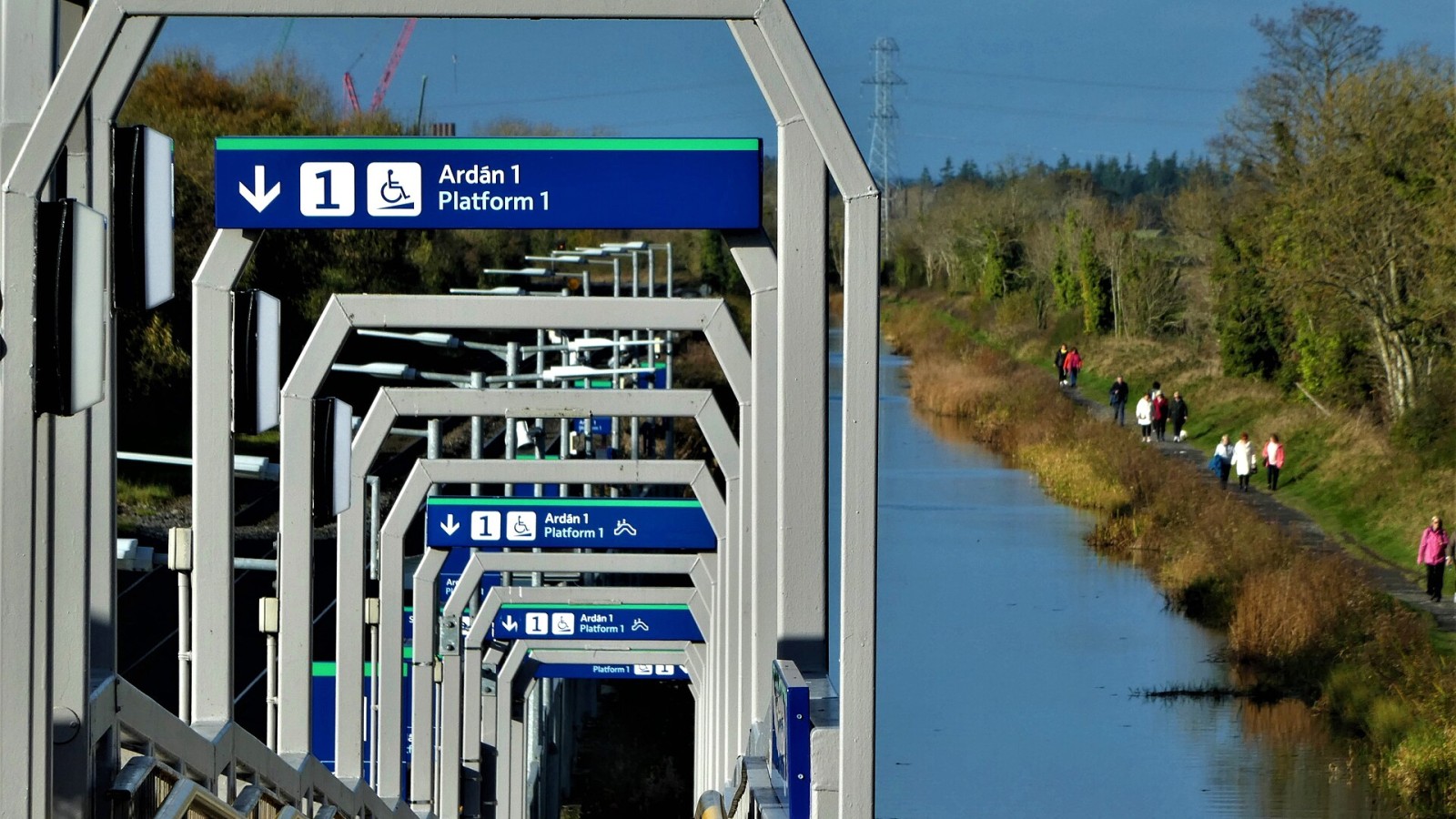
Accessible transport is a chain that includes arrival, information, circulation, boarding and emergency movement. One compliant feature cannot compensate for an unusable connection.
Before work starts
Survey gradients, crossings, kerbs, surfaces, gates, vertical circulation, toilets, lighting and wayfinding as a continuous journey. Include users with different mobility and sensory needs.
What to watch on site
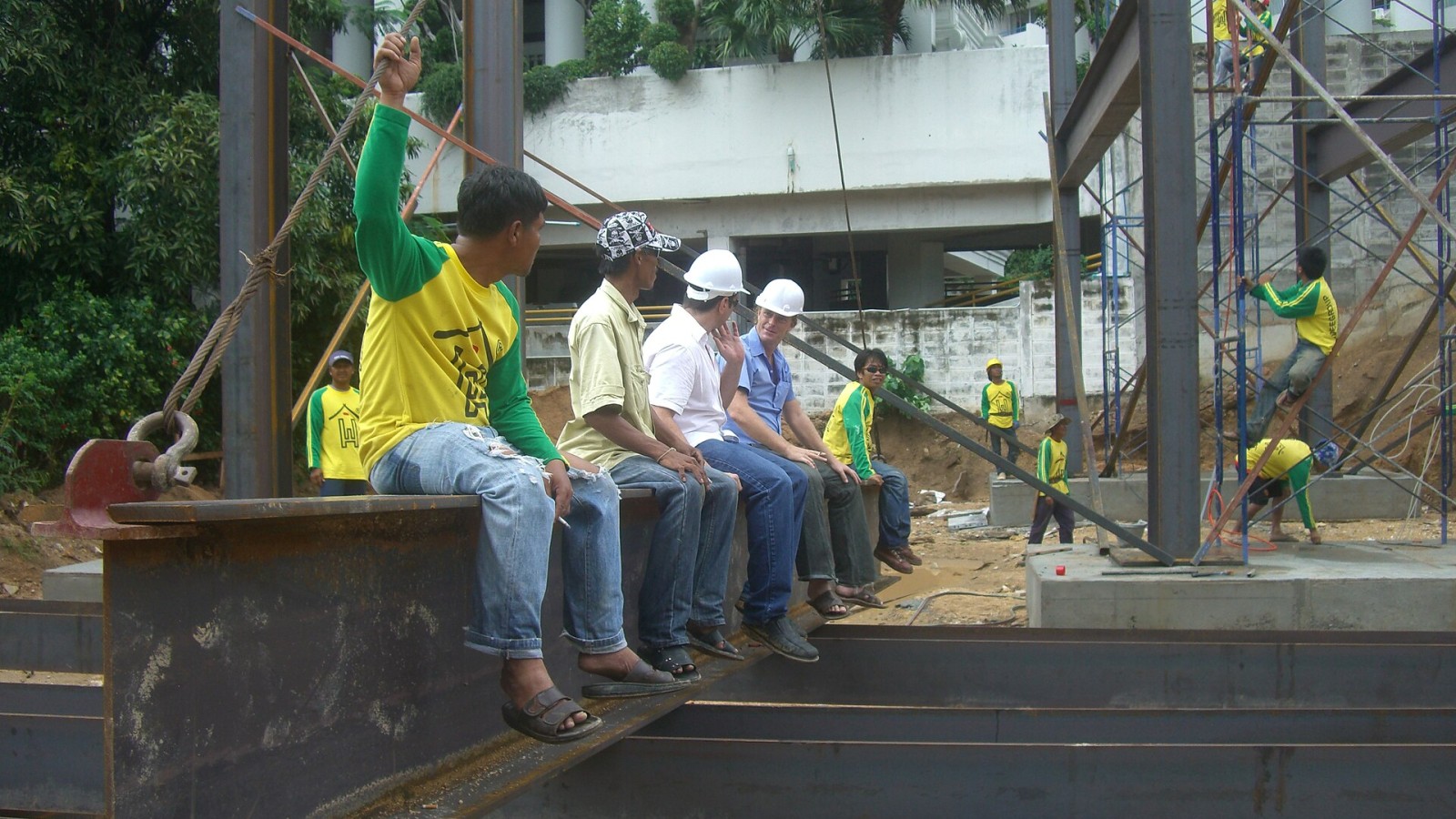
During construction, temporary routes need the same attention because passengers still use the station. Test lifts, alarms, tactile information and platform interfaces before opening.
Handover and the lasting record
Handover should assign maintenance and outage communication. A broken lift without a workable alternative can remove the accessibility delivered by the project.
Editorial note
This practical article explains a project-control issue using the official reference listed below. Requirements depend on the contract, site, approving authority and current law; the responsible registered professional should confirm the project-specific position.
What we will track next
The next useful update on Rail-station accessibility must work from pavement to platform should separate emergency access, construction progress and final handover. Contract value, kilometres treated, drainage work, revised dates and independent quality results give a clearer picture than a single percentage.
After opening, performance still needs observation. Pavement edges, culverts, bridge joints, slopes and erosion protection often reveal problems during the first wet season. A named maintenance authority and a baseline condition record make that follow-up possible.
Sources
- National Building Regulations and Building Standards Act — South African Government