Why this matters
Development replaces absorbent ground with roofs and paving. Faster runoff can flood plots, erode roads and overload channels beyond the site boundary.
Before work starts
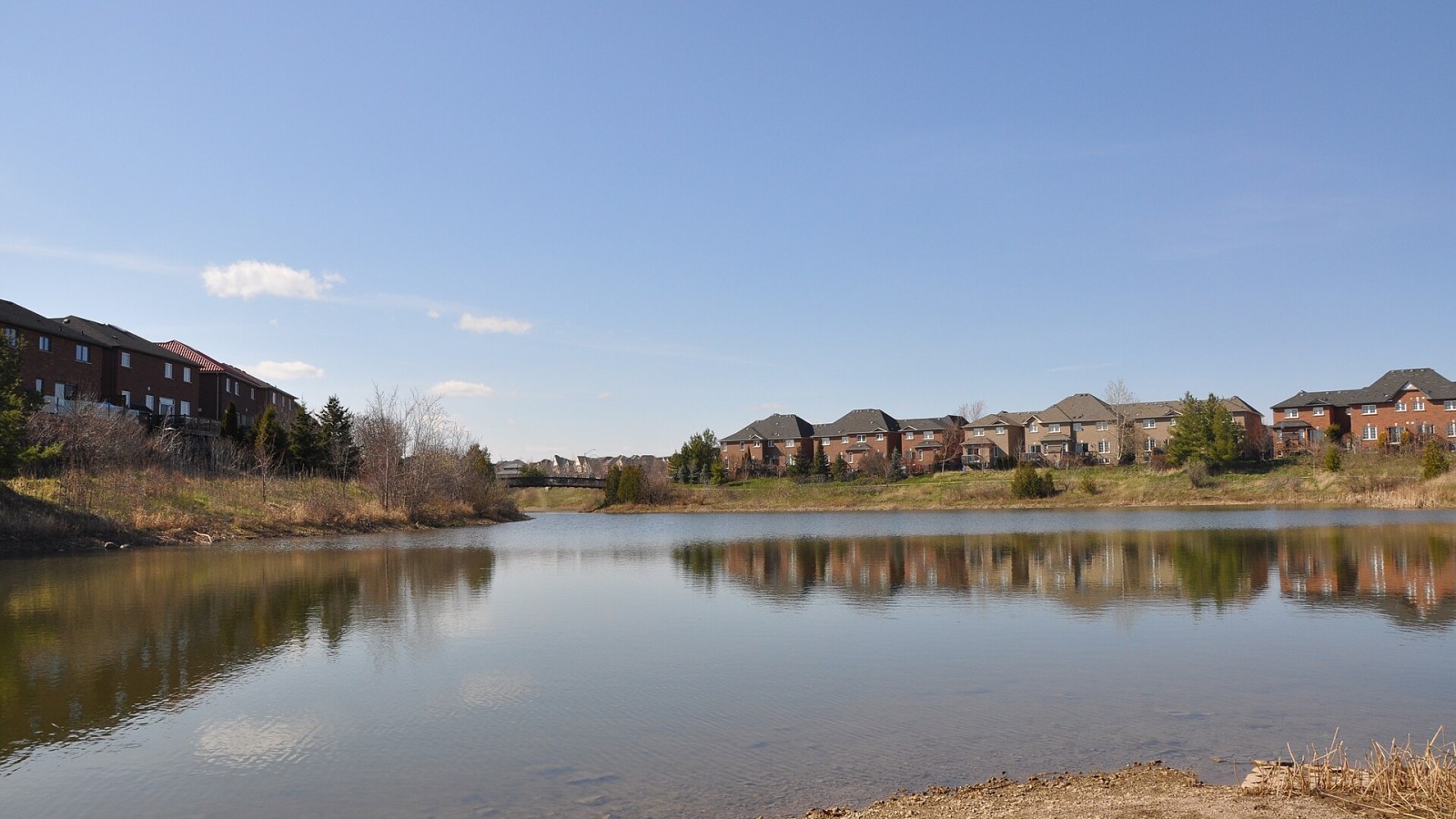
Catchment planning should test current and future development, safe overland flow and downstream capacity. Land for ponds and channels must be secured before it is occupied.
What to watch on site
Construction needs erosion controls while soil is exposed. Culverts, kerbs and outlets should be built in the sequence required to protect early phases.
Handover and the lasting record
After storms, inspect actual flow paths and maintain inlets, ponds and channels. Handover to an under-resourced operator can undo good design.
Editorial note
This practical article explains a project-control issue using the official reference listed below. Requirements depend on the contract, site, approving authority and current law; the responsible registered professional should confirm the project-specific position.
What we will track next
The next useful update should connect physical progress to service performance. For Stormwater must arrive before houses in fast-growing settlements, that means identifying which assets are commissioned, who operates them, whether water-quality or effluent tests are current and how reliability is measured after handover. Published percentages are easier to assess when the reporting date, design capacity, actual flow and outstanding work appear together.
Readers should also look for power resilience, maintenance funding, trained operators and a defects process. Pipes, pumps, reservoirs and treatment units form one chain; completion of one component does not prove that the full service is working.
Sources
- National Building Regulations and Building Standards Act — South African Government