The risk
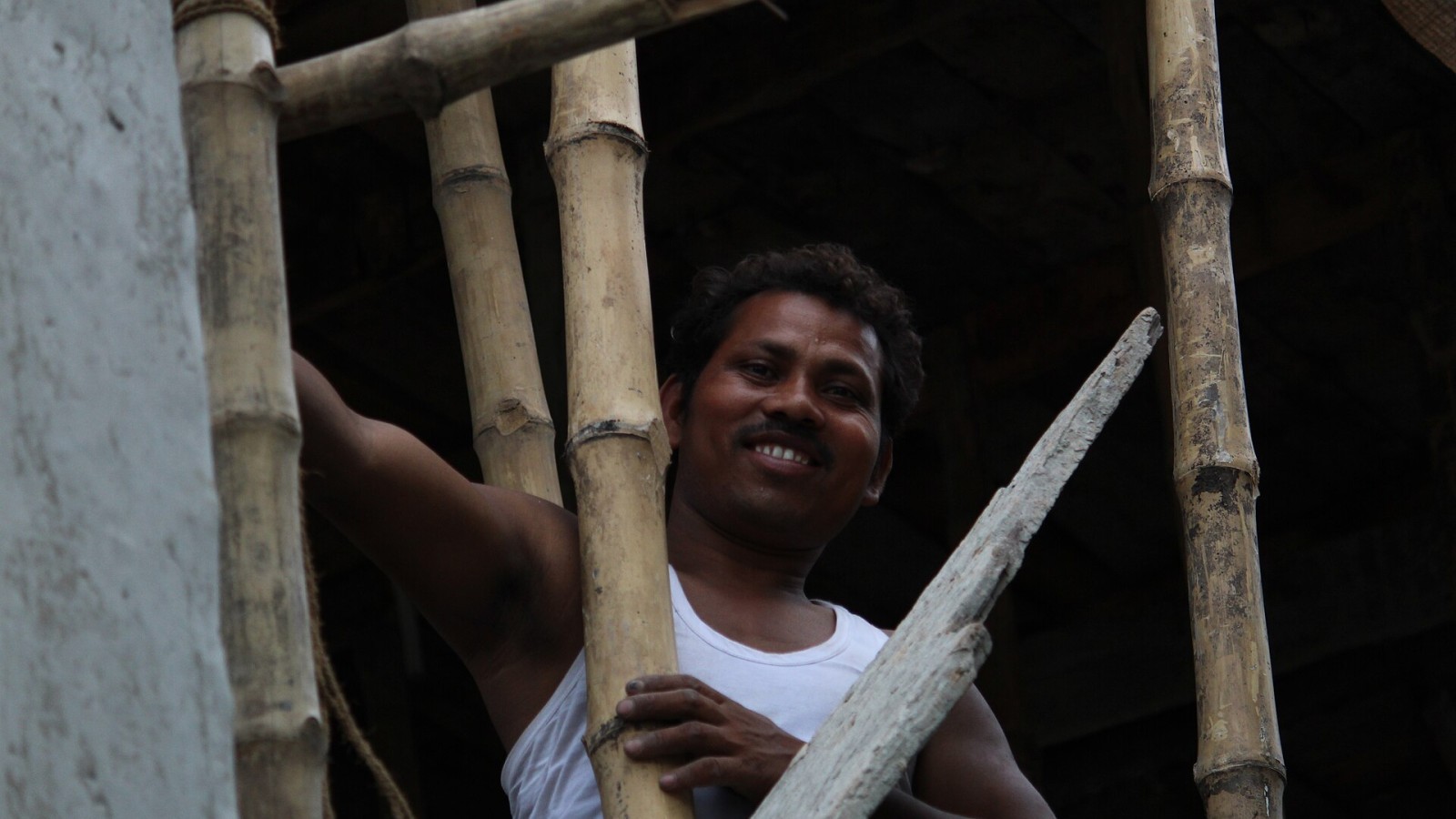
Temporary works are often designed under programme pressure and altered by site conditions. Failure can injure people and damage completed work.
The control
Define responsibilities for design, checking, erection, inspection and permission to load or remove. Include construction sequence and interface loads.
Evidence on site
Control materials and unauthorised changes. A signed inspection should precede concrete placement, excavation entry or use of a platform.
Closing the record
Removal must follow verified strength and sequence. Keep design and inspection records with the project safety file.
Editorial note
This article provides general construction information from the official reference below. Project requirements depend on the current law, contract, design and site conditions, and should be confirmed by the responsible competent person.
What we will track next
The next useful update on Temporary works need the same design discipline as permanent structures should identify the current project stage, the evidence supporting it and the decision that must follow. Planning, procurement, construction, commissioning and handover are different milestones and should be reported separately.
Readers should look for a dated scope, responsible institution, approved budget, revised completion date and a clear statement of outstanding work. Those details make progress measurable and reduce the risk that an announcement is mistaken for a finished, operating asset.
Sources
- Construction Regulations 2014 notice — Department of Employment and Labour