Why it matters
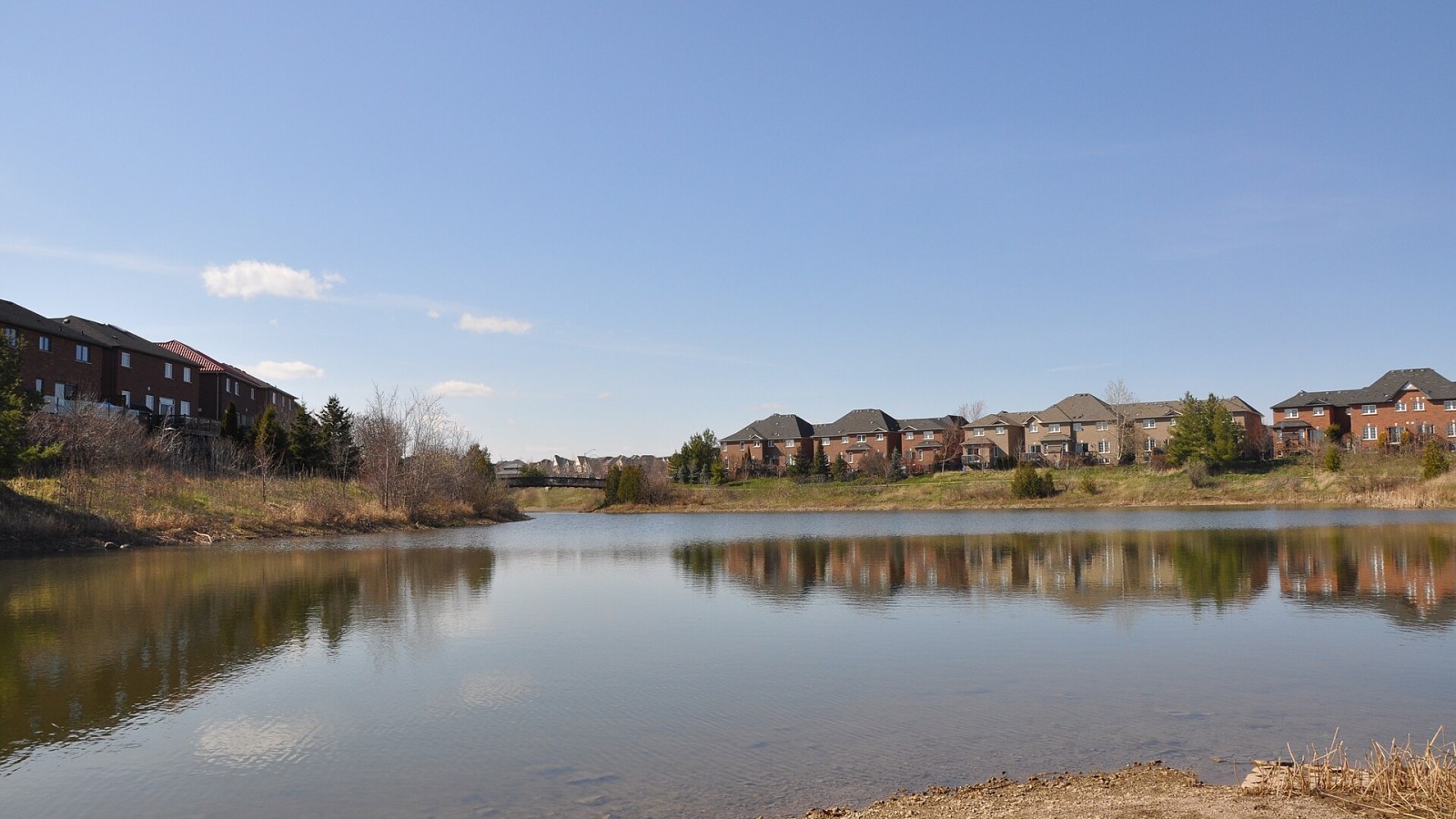
Attenuation ponds and basins slow runoff so downstream systems receive a controlled flow. Their performance depends on inlet condition, storage volume, outlet controls and safe overflow routes. A design that leaves no practical route for inspection or sediment removal transfers a predictable problem to the operator.
Planning the work
Confirm catchment assumptions, erosion protection, side slopes, fencing and safe access for maintenance equipment. The outlet structure should be visible and reachable without staff entering unsafe water or unstable ground. Landscape plans must support hydraulic function instead of hiding critical components.
Evidence on site
Record levels and dimensions before occupation. After rain, inspect scour, standing water, blocked screens, damaged banks and evidence that overflow followed the intended route. Sediment markers can show when capacity has reduced enough to require removal.
What happens after construction
The operating plan should name the responsible authority, inspection frequency and disposal route for removed material. Development around the basin must not obstruct access or consume the flood-storage area.
Editorial note
This article provides general construction information and should be read with the current law, contract, approved design and project-specific advice from the responsible competent professionals.
What we will track next
The next useful update should connect physical progress to service performance. For Stormwater attenuation ponds need maintenance access from day one, that means identifying which assets are commissioned, who operates them, whether water-quality or effluent tests are current and how reliability is measured after handover. Published percentages are easier to assess when the reporting date, design capacity, actual flow and outstanding work appear together.
Readers should also look for power resilience, maintenance funding, trained operators and a defects process. Pipes, pumps, reservoirs and treatment units form one chain; completion of one component does not prove that the full service is working.
Sources
- Blue, Green and No Drop reports — Department of Water and Sanitation