The risk
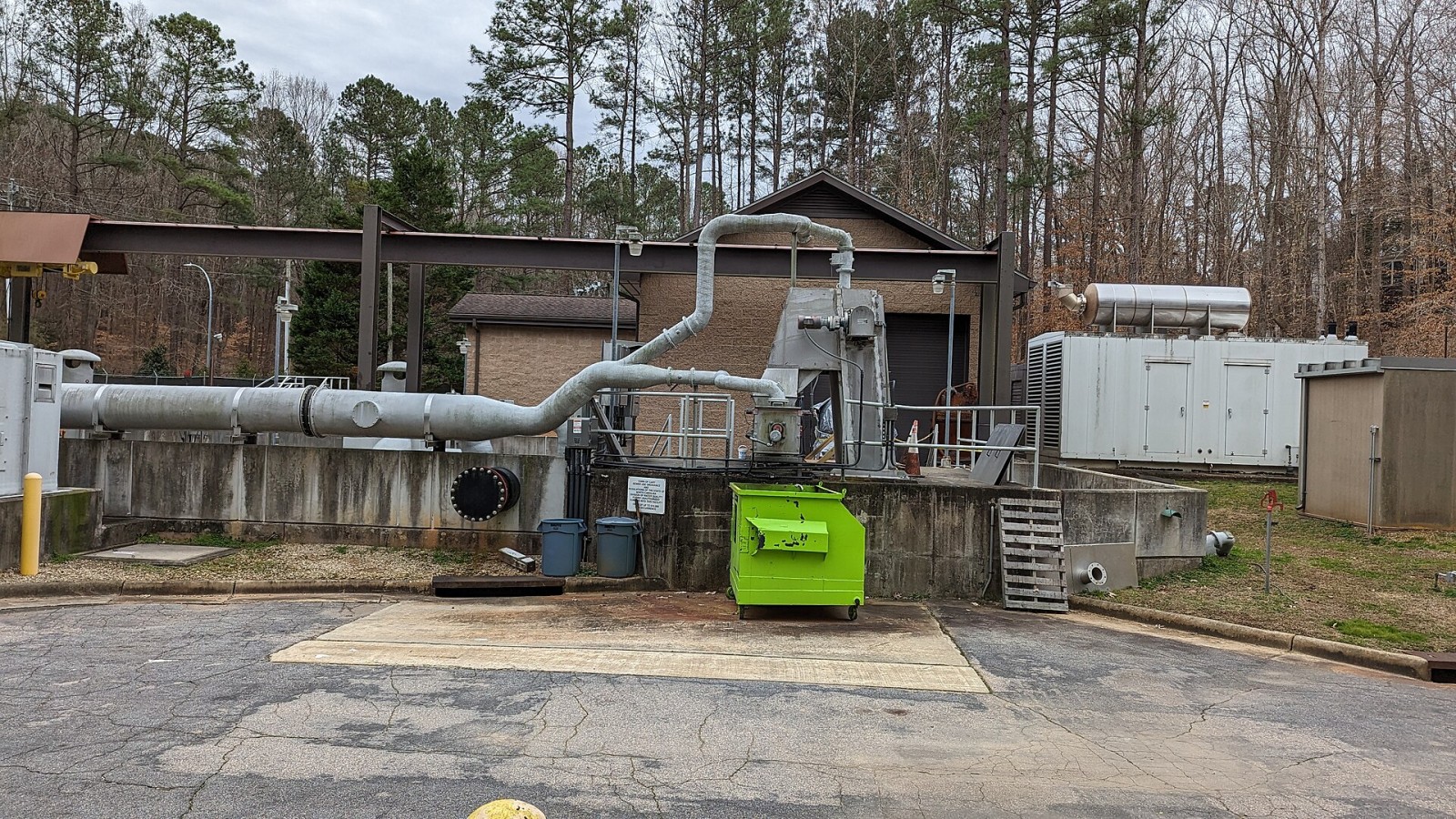
A pump station links civil structures, pumps, valves, power, controls, telemetry and the downstream network. Weakness in one interface can stop the system.
The control
Commissioning plans should include duty points, standby changeover, power failure, high levels, alarms and emergency overflow response.
Evidence on site
Record vibration, flow, pressure and electrical readings under realistic conditions. Operators should participate and practise manual control.
Closing the record
Handover needs spares, lifting arrangements, safe access and maintenance schedules. Trend data should be reviewed after early operation.
Editorial note
This article provides general construction information from the official reference below. Project requirements depend on the current law, contract, design and site conditions, and should be confirmed by the responsible competent person.
What we will track next
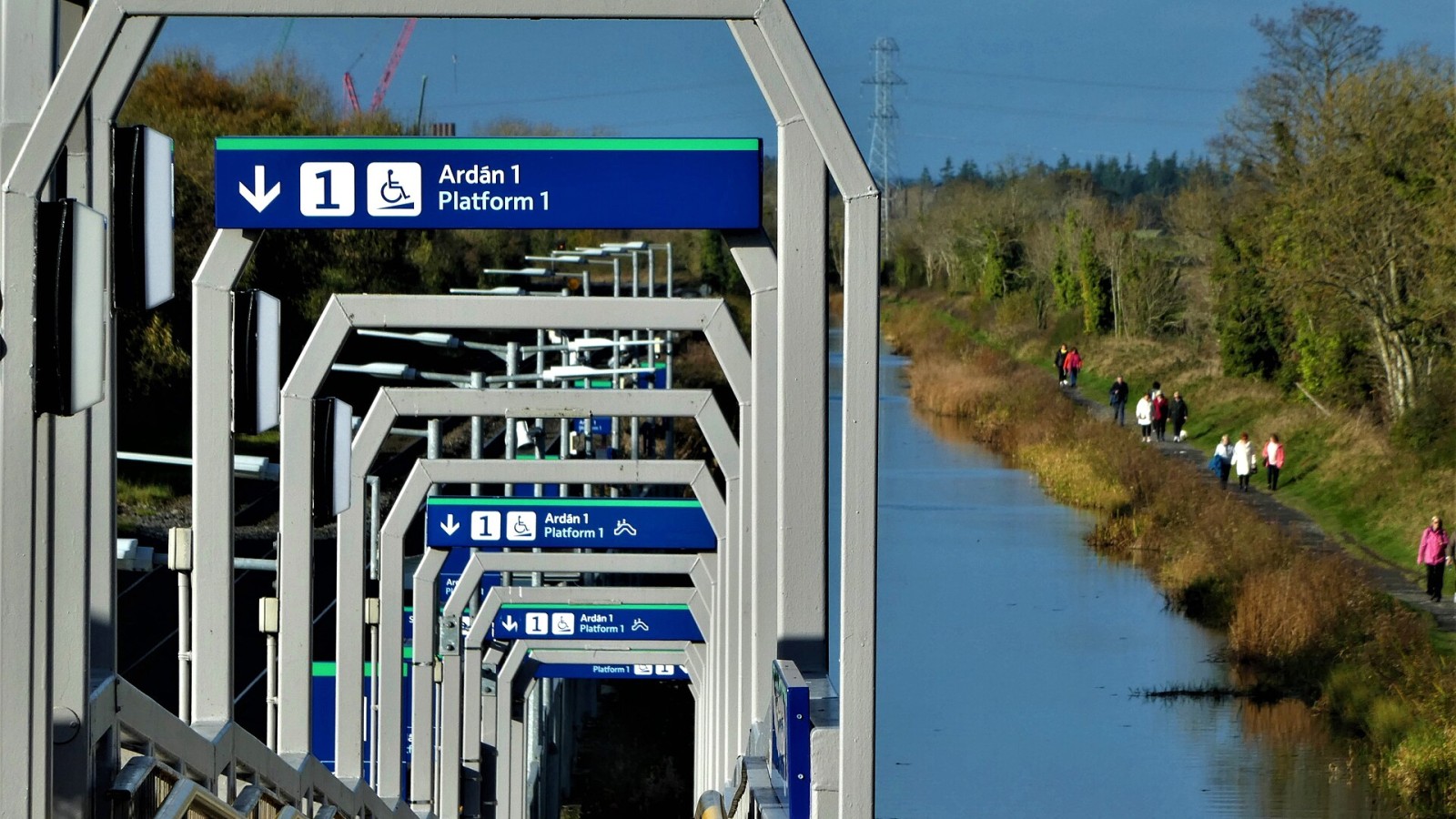
For Pump-station commissioning must test the failure modes too, physical completion should be connected to the passenger journey. Track access, signalling, power, security, scheduled services, cancellations and the condition of station facilities rather than relying on an opening announcement alone.
A useful close-out record identifies which systems are operating permanently, which remain under temporary arrangements and who responds when lifts, gates, lighting or information systems fail. The service outcome is the final test of the capital work.
Sources
- Blue, Green and No Drop reports — Department of Water and Sanitation