The system behind the visible work
Road patching is visible work, which makes appearance easy to mistake for quality. The real repair begins below the surface. If saturated material remains, the cut edges crumble or the base is not compacted, traffic will reopen the defect. Repeated patches then consume maintenance funds while the underlying drainage and pavement failure continue unchecked.
The central lesson is that an urban municipal road where pothole repairs must restore the pavement layers and keep water out of the repaired area cannot be judged by its most visible component alone. Design information, construction sequence, inspection access and operating responsibility all influence whether the finished work performs. Decisions made early should therefore be recorded in a form that the site team can use and the owner can later trace.
Planning before production
The work order should identify defect limits, likely cause, excavation depth, material specification and traffic accommodation. Repairs linked to leaking water or blocked drainage need those causes addressed first. A crew requires suitable cutting, compaction and temperature-control equipment; assigning a patch without the tools and material to rebuild each layer simply transfers the failure to a later date.
A useful pre-start review converts those requirements into named hold points. It should identify the drawing or specification that applies, the person authorised to accept the work and the evidence required before the next activity hides it. Programme pressure is easier to manage when these decisions are part of the planned sequence rather than a late request from an inspector.
Control at the workface
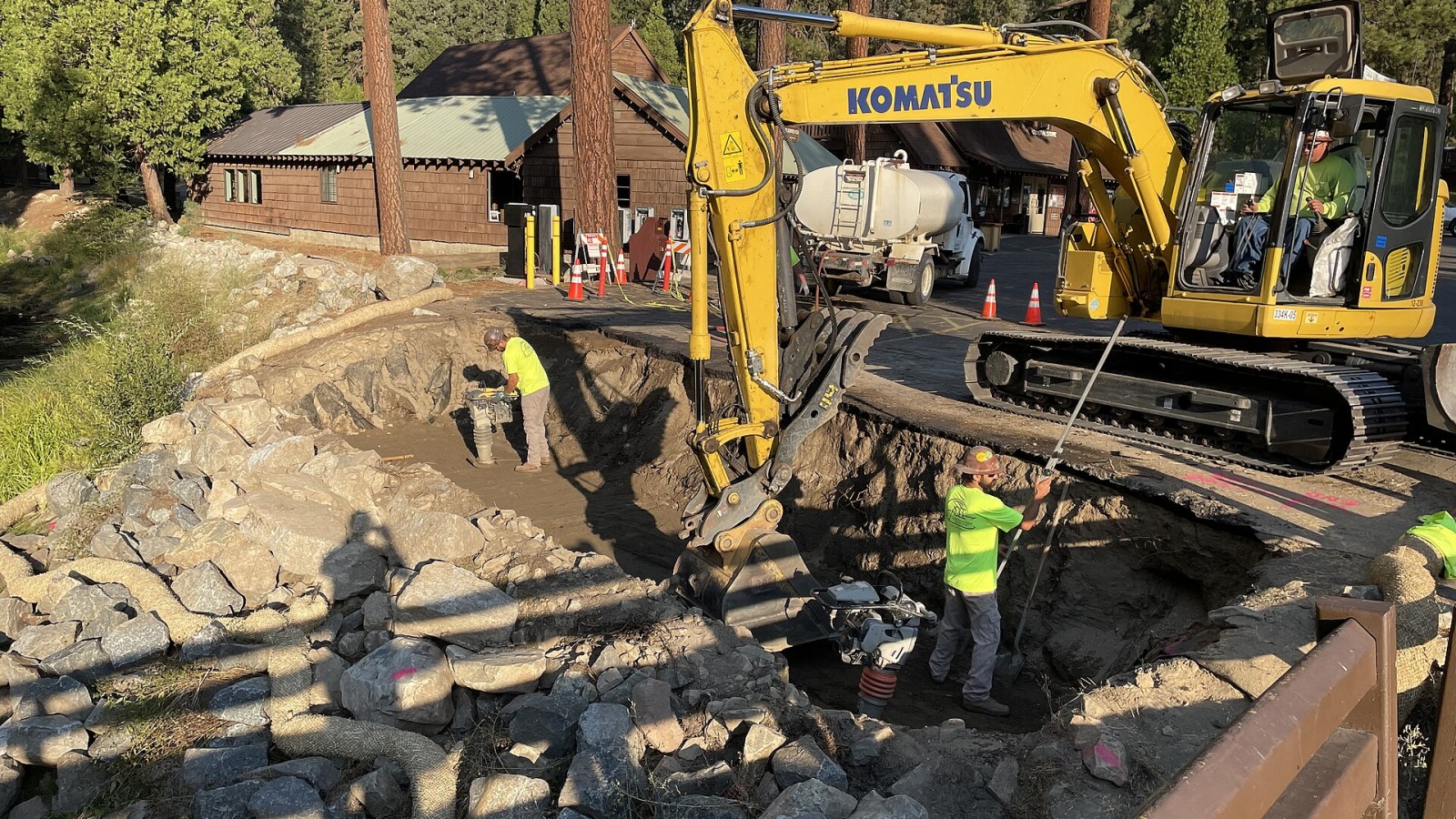
Edges should be cut back to sound material and the excavation cleared of loose and wet debris. Replacement layers need controlled thickness, moisture and compaction before tack and asphalt placement. Joints are critical because they are the first route for water. The completed surface must meet the surrounding road without creating a bump, depression or unsafe edge for cyclists.
Site control depends on current information reaching the people doing the work. Superseded details should be removed, changes explained and unresolved questions logged before production continues. Supervisors also need enough time and access to examine the work. A signature added after concealment cannot recover the evidence that an effective inspection would have created.
Testing and evidence
A practical record can include before-and-after photographs, patch dimensions, excavation depth, material delivery information, compaction checks and asphalt temperature. Sampling frequency should reflect the scale and specification, but every repair still needs traceability. Early failure patterns should be mapped so supervisors can distinguish poor workmanship from a wider drainage or pavement problem.
Evidence should be proportionate to risk but specific enough to support a later decision. Dates, locations, asset numbers, test conditions and responsible people turn loose documents into a usable record. Trends matter as much as isolated results: repeated defects, drifting readings or recurring call-outs can show a system problem even when individual checks appear acceptable.
People and daily operation
Residents need clear information about lane closures and should have a channel to report hazardous defects. Supervisors should inspect representative repairs while the crew is still nearby, not weeks after invoices are processed. Payment measurement must use actual repaired areas and agreed rates, with rejected work recorded and corrected before it disappears into the next maintenance cycle.
Good engagement does more than distribute notices. It brings operating knowledge into the project while there is still time to change the design, sequence or handover. Concerns should be written down, assigned and closed visibly. That approach respects the people affected by construction and gives the technical team a clearer account of why a particular decision was made.
Handover that supports the next decision
The municipality should retain a geolocated repair history that connects cost, contractor, material and performance. Returning to selected patches after rain and heavy traffic provides useful feedback on methods and suppliers. The goal is not the highest patch count; it is a repair that keeps water out, carries traffic and reduces repeat expenditure.
Close-out should leave one coherent trail from the approved requirement to the installed asset and its operating rule. Drawings, photographs, certificates, test results, training and outstanding actions need consistent names and locations. The result is more than an archive: it is the information the owner needs to maintain performance, plan renewal and respond quickly when conditions change.
Editorial note
This article provides general construction information. Project teams should apply the current law, approvals, contract documents and advice of the appropriately registered professionals responsible for the specific work.
Sources
- CIDB construction standards — Construction Industry Development Board