The system behind the visible work
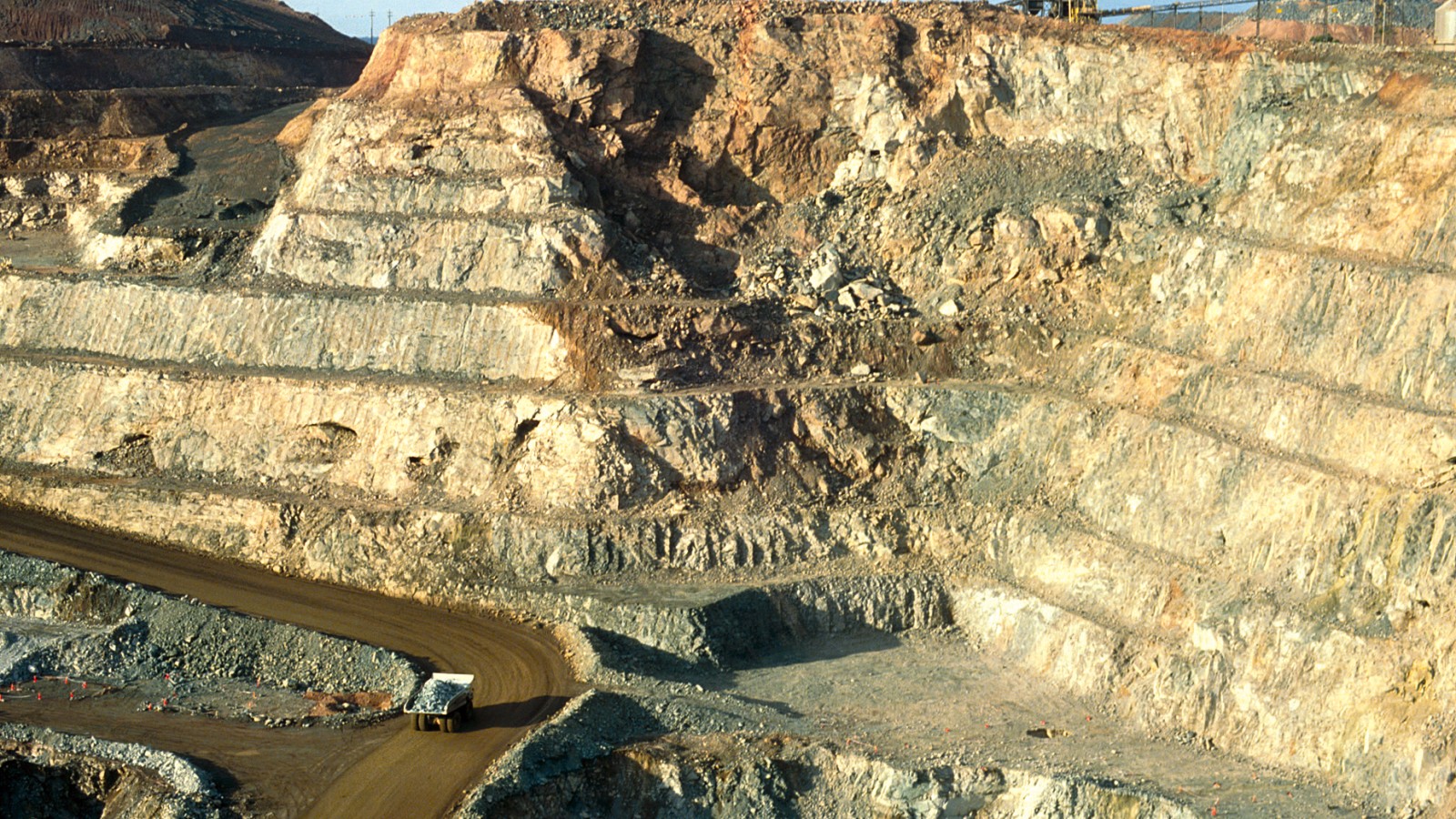
Roads serving mining areas often carry traffic far beyond the pattern visible in ordinary municipal counts. Heavy vehicles accelerate pavement wear, but drainage failure, weak shoulders and delayed maintenance also contribute. Without a shared evidence base, communities, operators and authorities can argue about responsibility while defects deepen and safety deteriorates.
The central lesson is that a public road carrying sustained heavy vehicles between mining, processing and regional transport routes cannot be judged by its most visible component alone. Design information, construction sequence, inspection access and operating responsibility all influence whether the finished work performs. Decisions made early should therefore be recorded in a form that the site team can use and the owner can later trace.
Planning before production
A corridor assessment should combine classified traffic counts, axle information where available, pavement condition, crash history, drainage and route alternatives. Baseline photographs and georeferenced defects help distinguish new deterioration from old problems. Agreements need clear triggers for maintenance, abnormal loads, dust control and emergency response rather than broad promises of cooperation.
A useful pre-start review converts those requirements into named hold points. It should identify the drawing or specification that applies, the person authorised to accept the work and the evidence required before the next activity hides it. Programme pressure is easier to manage when these decisions are part of the planned sequence rather than a late request from an inspector.
Control at the workface
Repairs must address the pavement layer and water path, with traffic accommodation designed for long stopping distances and large vehicles. Shoulder drops, edge breaks and mud tracked from accesses deserve rapid attention. Construction schedules should account for shift-change peaks and coordinate with operators without allowing production pressure to override road safety.
Site control depends on current information reaching the people doing the work. Superseded details should be removed, changes explained and unresolved questions logged before production continues. Supervisors also need enough time and access to examine the work. A signature added after concealment cannot recover the evidence that an effective inspection would have created.
Testing and evidence
Condition surveys should use repeatable sections and consistent rating methods. Completed work needs material, compaction and dimensional records tied to location. Weigh data, vehicle counts and maintenance costs should be reviewed together, because a single photograph cannot show cumulative loading or the performance of a repair over time.
Evidence should be proportionate to risk but specific enough to support a later decision. Dates, locations, asset numbers, test conditions and responsible people turn loose documents into a usable record. Trends matter as much as isolated results: repeated defects, drifting readings or recurring call-outs can show a system problem even when individual checks appear acceptable.
People and daily operation
Residents, freight operators, mines, municipalities and provincial road authorities each hold part of the evidence. A structured forum should publish actions, owners and dates while keeping technical decisions with the responsible authority. Complaint channels can identify urgent hazards, but transparent progress reporting is necessary to prevent the same issue being reopened without resolution.
Good engagement does more than distribute notices. It brings operating knowledge into the project while there is still time to change the design, sequence or handover. Concerns should be written down, assigned and closed visibly. That approach respects the people affected by construction and gives the technical team a clearer account of why a particular decision was made.
Handover that supports the next decision
The corridor record should remain active after a repair contract ends. Annual condition comparisons, drainage inspections and updated traffic data allow funding and contribution agreements to reflect actual use. Shared evidence will not remove every dispute, but it gives all parties a practical basis for protecting the road and the communities beside it.
Close-out should leave one coherent trail from the approved requirement to the installed asset and its operating rule. Drawings, photographs, certificates, test results, training and outstanding actions need consistent names and locations. The result is more than an archive: it is the information the owner needs to maintain performance, plan renewal and respond quickly when conditions change.
Editorial note
This article provides general construction information. Project teams should apply the current law, approvals, contract documents and advice of the appropriately registered professionals responsible for the specific work.
Sources
- CIDB construction standards — Construction Industry Development Board