The risk
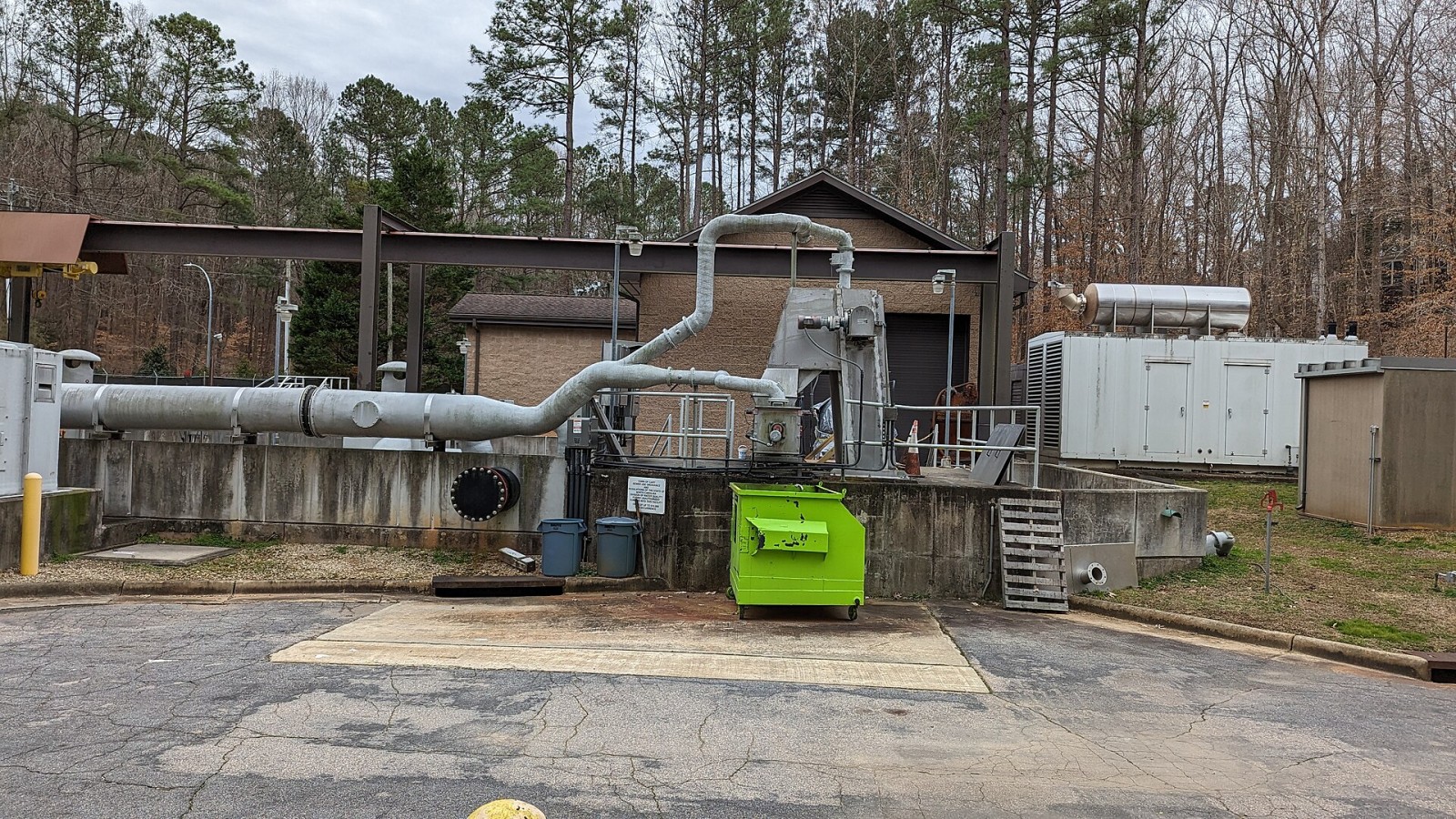
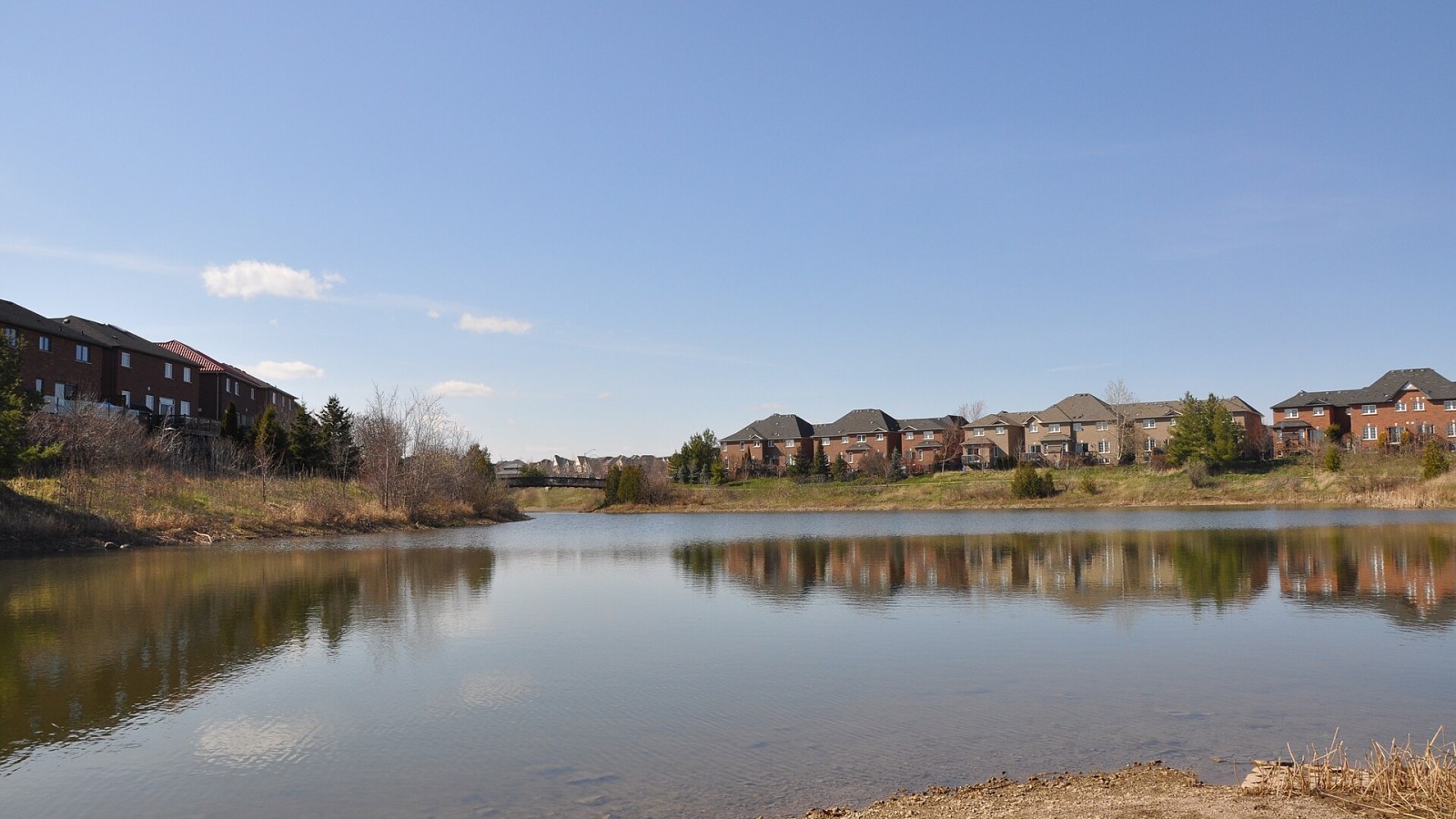
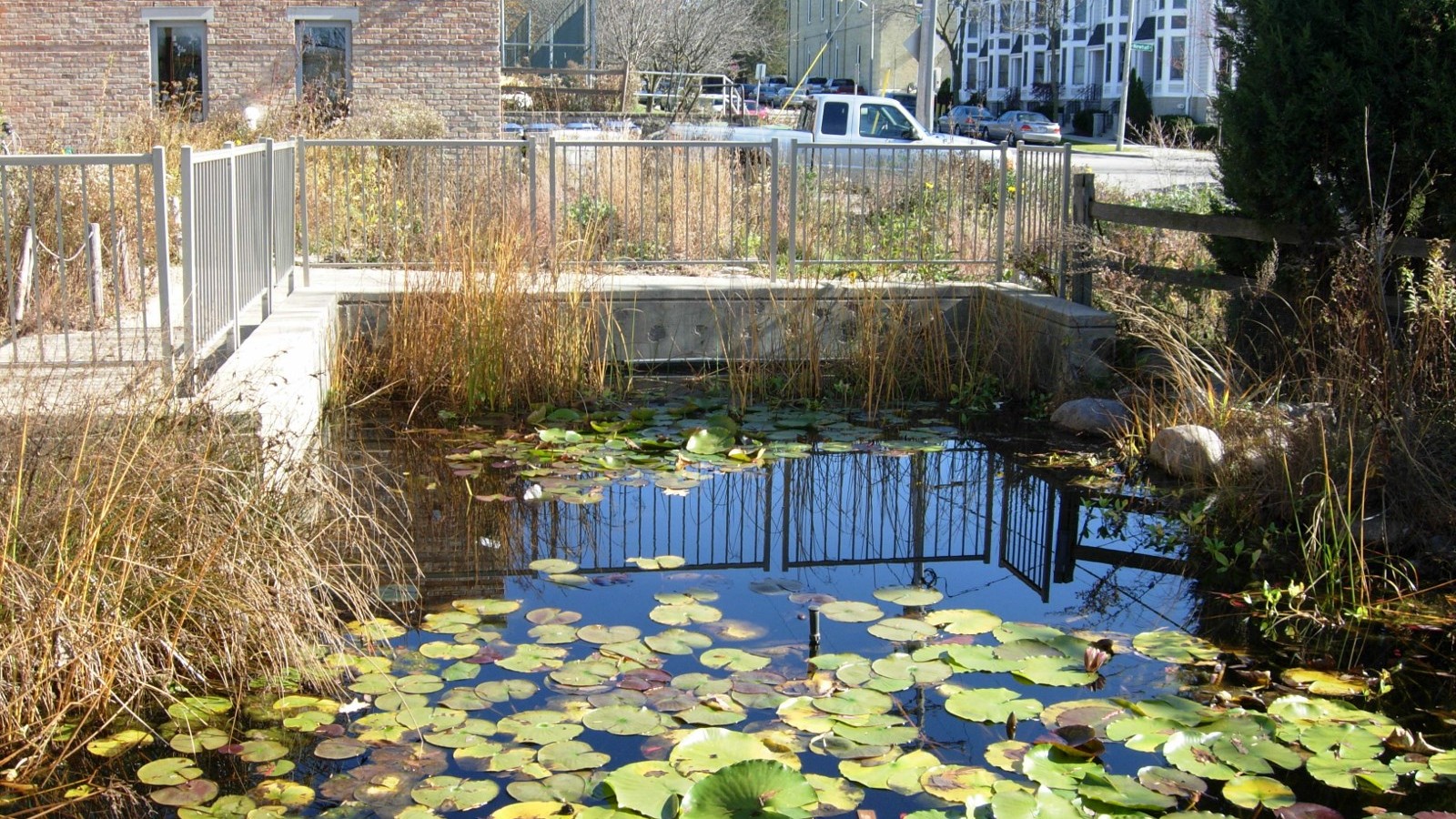
Landfill water management depends on cover, grading, drains, ponds and leachate collection working as one system.
The control
Design for staged waste cells, extreme rainfall and access for cleaning. Identify where dirty and clean systems cross or can overflow.
Evidence on site
Inspect bunds, liners, pumps and channels, especially before wet seasons. Sampling and volume records help reveal leaks or unexpected inflow.
Closing the record
Close-out of each cell should restore falls and protect the cover. Monitoring continues after active disposal ends.
Editorial note
This article provides general construction information from the official reference below. Project requirements depend on the current law, contract, design and site conditions, and should be confirmed by the responsible competent person.
What we will track next
The next useful update should connect physical progress to service performance. For Landfill stormwater and leachate must remain separate, that means identifying which assets are commissioned, who operates them, whether water-quality or effluent tests are current and how reliability is measured after handover. Published percentages are easier to assess when the reporting date, design capacity, actual flow and outstanding work appear together.
Readers should also look for power resilience, maintenance funding, trained operators and a defects process. Pipes, pumps, reservoirs and treatment units form one chain; completion of one component does not prove that the full service is working.
Sources
- Environmental programmes legislation and policy — Department of Forestry, Fisheries and the Environment