The risk
Depth is only one part of excavation risk. Soil type, groundwater, nearby foundations, traffic and stored material all affect stability.
The control
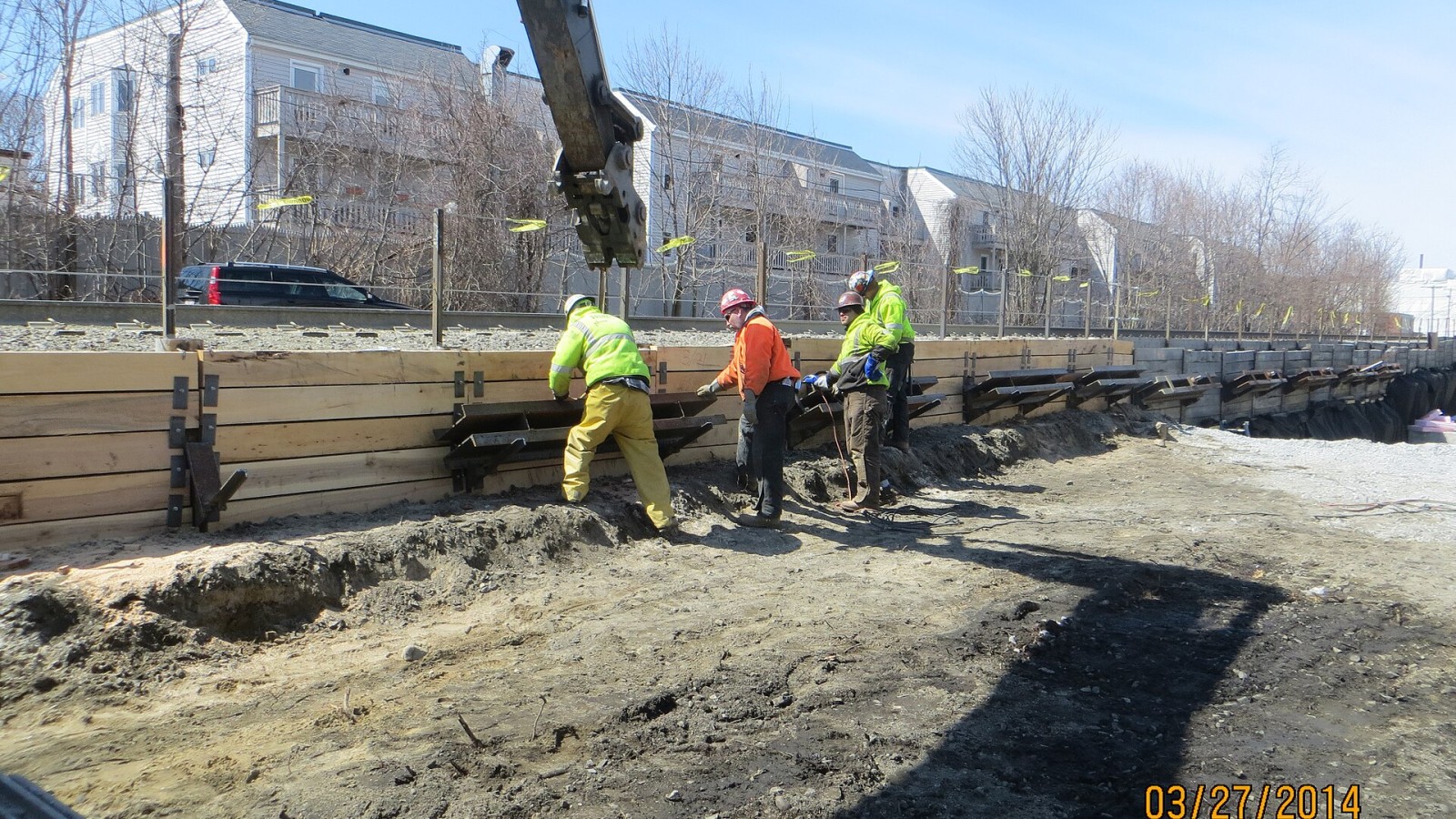
Choose battering, benching, shoring or shielding from a competent assessment and keep spoil and plant away from the edge. Access and emergency arrangements must suit the actual excavation.
Evidence on site
Daily inspections should record water, cracking, movement and changes after rain or vibration. Work stops when conditions differ from the accepted method.
Closing the record
Backfilling and removal of temporary support need a controlled sequence. The final file should show the design, inspections and changes made on site.
Editorial note
This article provides general construction information from the official reference below. Project requirements depend on the current law, contract, design and site conditions, and should be confirmed by the responsible competent person.
What we will track next
The next useful update on Excavation support must be designed before the trench is occupied should identify the current project stage, the evidence supporting it and the decision that must follow. Planning, procurement, construction, commissioning and handover are different milestones and should be reported separately.
Readers should look for a dated scope, responsible institution, approved budget, revised completion date and a clear statement of outstanding work. Those details make progress measurable and reduce the risk that an announcement is mistaken for a finished, operating asset.
Sources
- Construction Regulations 2014 notice — Department of Employment and Labour