Why it matters
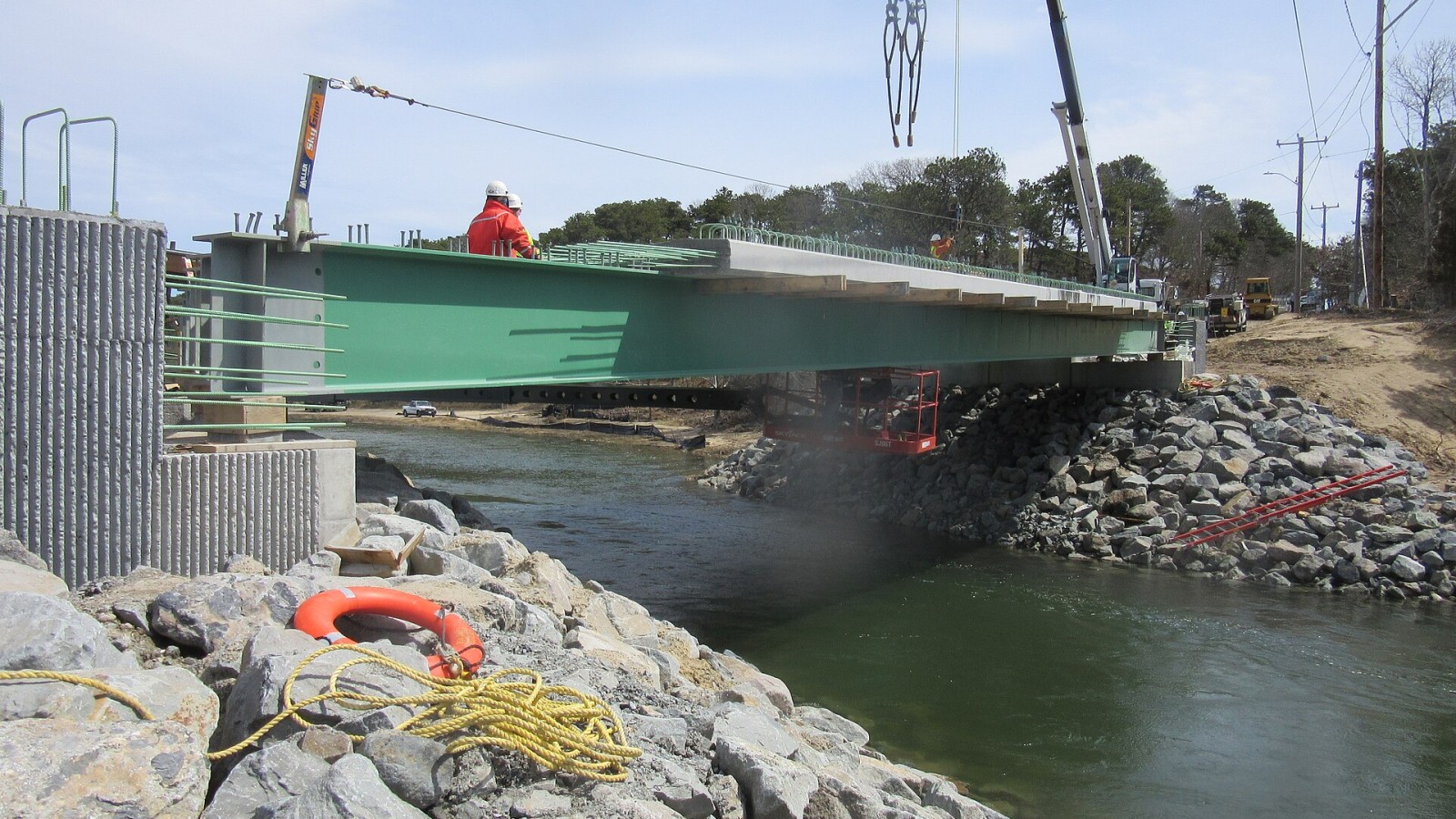
A structurally sound bridge can become unusable when water cuts behind an abutment, washes away an approach or leaves a dangerous level difference at the deck. These transition areas combine road fill, drainage, retaining elements and river behaviour, so small defects can accelerate during a single storm.
Planning the work
Design reviews should follow water from the road and surrounding slopes to a protected discharge. Backfill quality, compaction, filter layers and erosion protection need coordinated details. Inspection access should include the ends of wing walls and areas below guardrails.
Evidence on site
Look for cracking, depressions, displaced protection, blocked drains and new flow paths. Survey marks or repeat photographs help distinguish stable settlement from continuing movement. Temporary filling should not conceal a washout or void that needs structural assessment.
What happens after construction
After floods, reopen the crossing only when approaches, foundations and barriers have all been checked. Permanent repairs should address the route taken by water, not merely restore the road surface.
Editorial note
This article provides general construction information and should be read with the current law, contract, approved design and project-specific advice from the responsible competent professionals.
What we will track next
The next useful update on Bridge approaches can fail before the structure does should separate emergency access, construction progress and final handover. Contract value, kilometres treated, drainage work, revised dates and independent quality results give a clearer picture than a single percentage.
After opening, performance still needs observation. Pavement edges, culverts, bridge joints, slopes and erosion protection often reveal problems during the first wet season. A named maintenance authority and a baseline condition record make that follow-up possible.
Sources
- CIDB Infrastructure Gateway System — Construction Industry Development Board