Why this matters
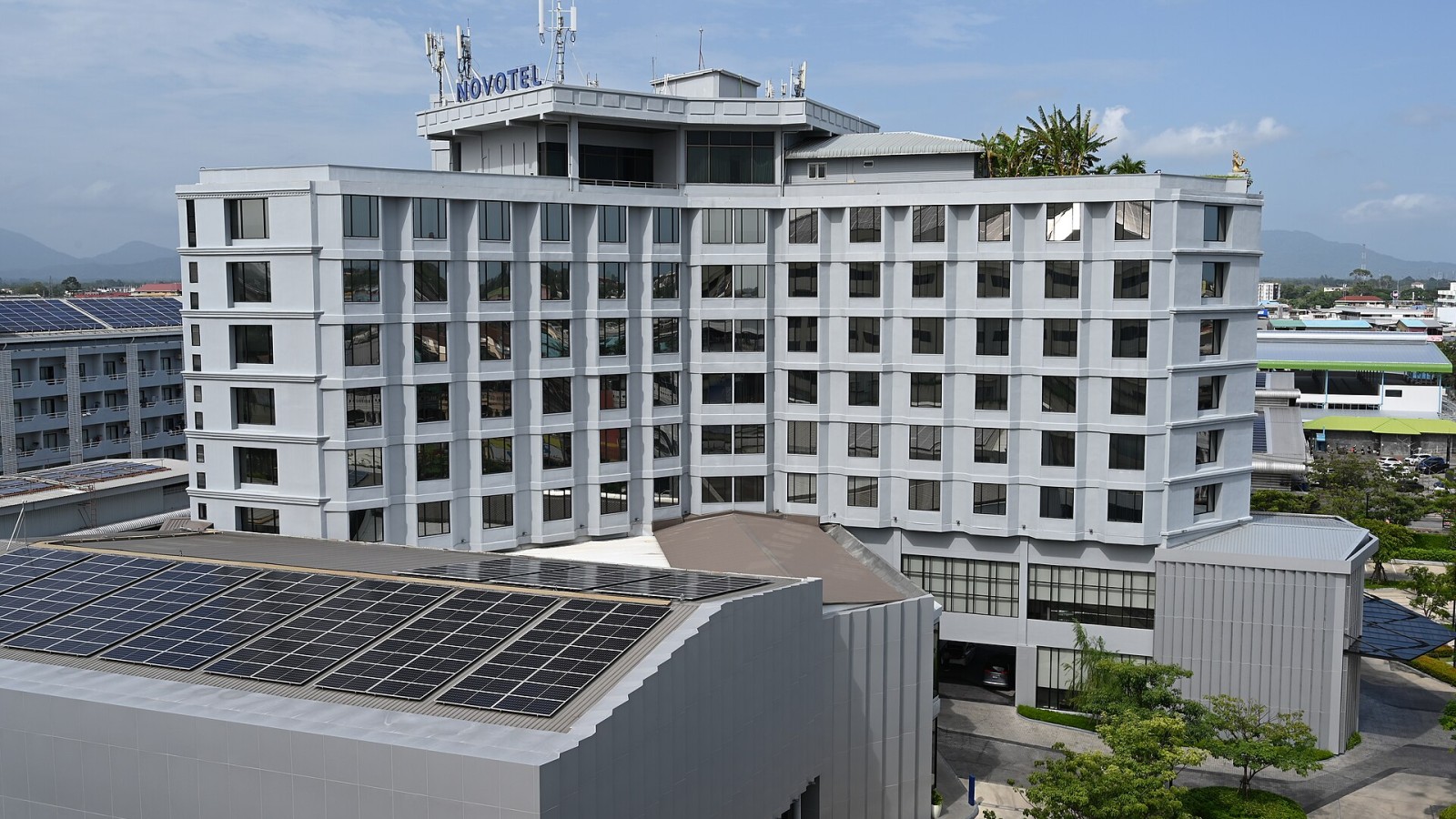
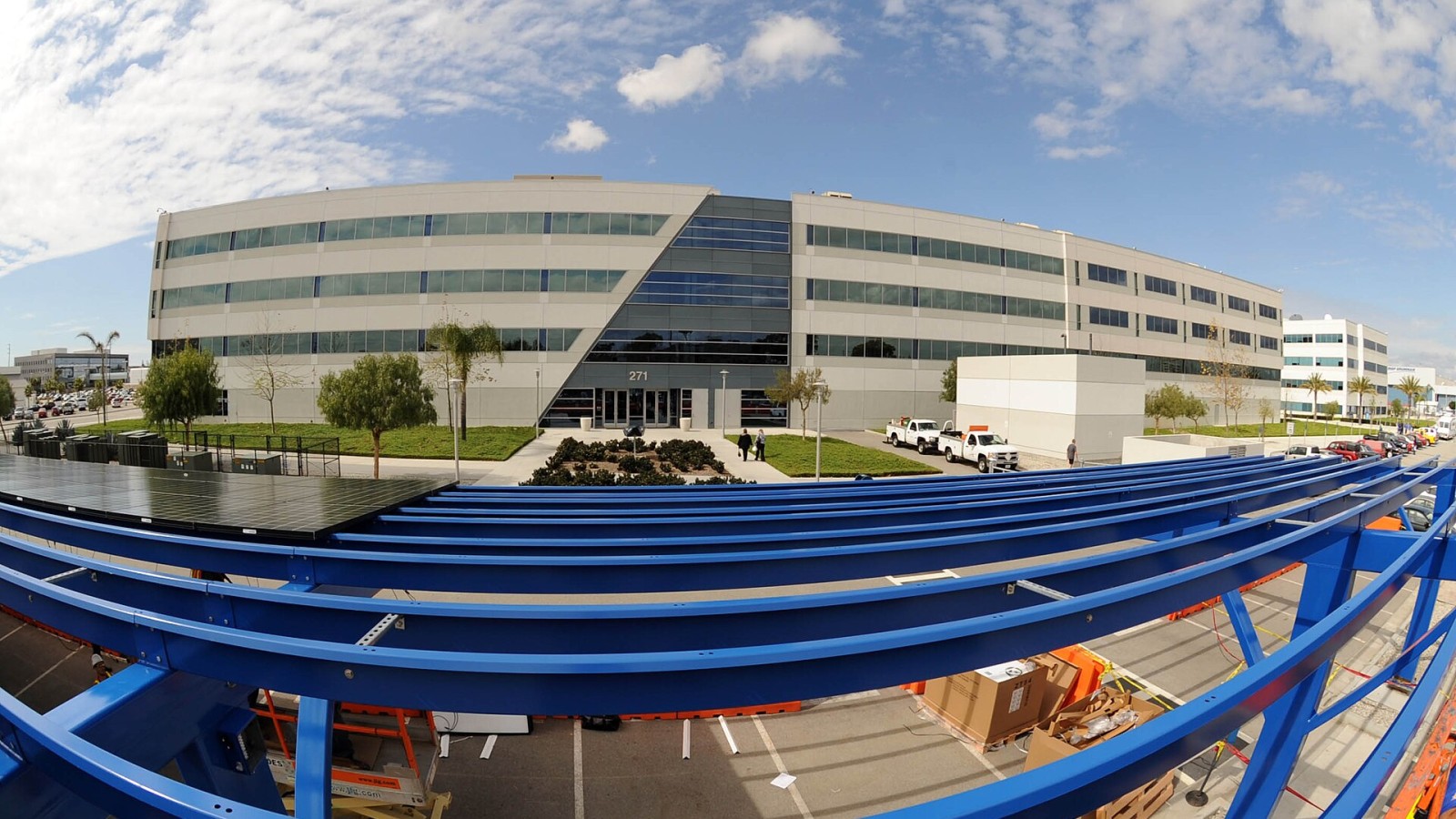
Installing photovoltaic equipment on an operating building creates structural, waterproofing, fire, access and electrical interfaces. Production targets do not remove those building risks.
Before work starts
Survey roof condition, load paths, switchgear, metering and cable routes. Agree shutdowns with occupants and identify services that cannot lose supply.
What to watch on site
Control lifting, edge protection, penetrations and temporary weatherproofing. Test earthing, protection, labelling and emergency isolation before energisation.
Handover and the lasting record
Handover should include settings, warranties, drawings, monitoring access and maintenance responsibilities. Generation data can reveal faults only when someone reviews it.
Editorial note
This practical article explains a project-control issue using the official reference listed below. Requirements depend on the contract, site, approving authority and current law; the responsible registered professional should confirm the project-specific position.
What we will track next
The next record for Solar installations on active buildings need a shutdown plan should show how approvals, design, inspection and workmanship connect. Drawings and certificates matter, but photographs of concealed work, written instructions, test results and a dated defects list make the project easier to verify.
Owners should keep the signed contract, payment proof, professional appointments, enrolment records where applicable and the final approved plans together. This file becomes most valuable when a leak, crack or service problem appears after occupation.
Sources
- Energy Performance Certificates programme — South African National Energy Development Institute