The system behind the visible work
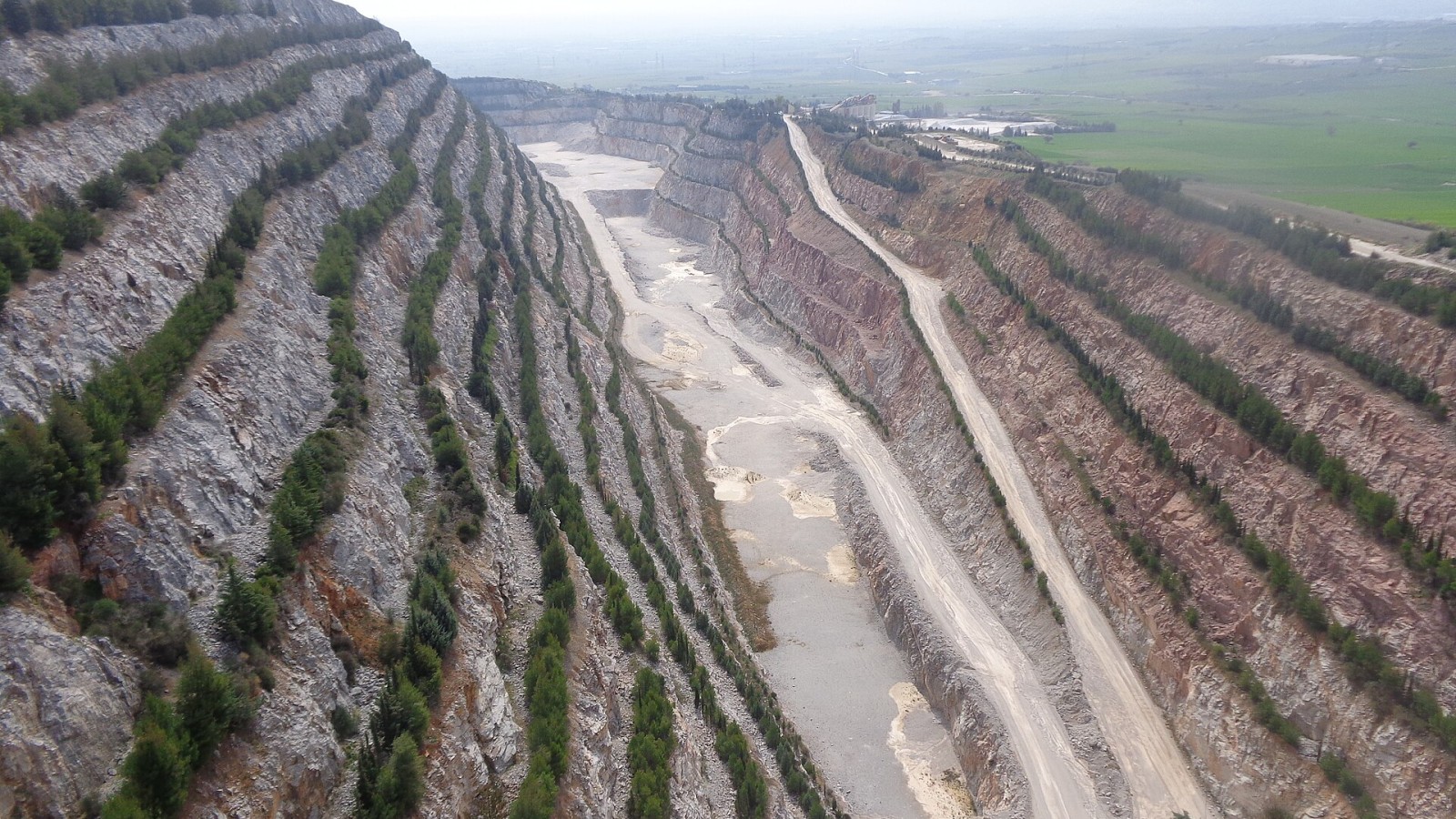
Rehabilitation is easiest to postpone when production areas remain busy, but delay allows erosion, invasive vegetation and unstable slopes to spread. Progressive work uses completed parts of the quarry as opportunities to establish drainage and vegetation while equipment and management remain on site. It also makes the final closure obligation more visible and measurable.
The central lesson is that an active aggregate quarry with worked-out areas, stockpiles, haul roads, drainage and land that will require rehabilitation cannot be judged by its most visible component alone. Design information, construction sequence, inspection access and operating responsibility all influence whether the finished work performs. Decisions made early should therefore be recorded in a form that the site team can use and the owner can later trace.
Planning before production
The extraction sequence should identify areas available for reshaping, topsoil replacement and revegetation. Water management must separate clean runoff from disturbed areas and provide stable discharge points. Slope geometry, rockfall risk and future land use require specialist input. Stockpiled soil needs protection from erosion and contamination if it is expected to support later growth.
A useful pre-start review converts those requirements into named hold points. It should identify the drawing or specification that applies, the person authorised to accept the work and the evidence required before the next activity hides it. Programme pressure is easier to manage when these decisions are part of the planned sequence rather than a late request from an inspector.
Control at the workface
Operators should keep disturbance within approved limits and avoid placing permanent stockpiles across future drainage or access routes. Completed faces and benches need inspection before rehabilitation crews enter. Reshaped areas should be protected from haul traffic, while erosion controls are checked after storms. Photographs from fixed points can show whether vegetation is establishing or bare channels are forming.
Site control depends on current information reaching the people doing the work. Superseded details should be removed, changes explained and unresolved questions logged before production continues. Supervisors also need enough time and access to examine the work. A signature added after concealment cannot recover the evidence that an effective inspection would have created.
Testing and evidence
Records should compare disturbed, active and rehabilitated areas using surveyed plans. Soil depth, seed or planting information and follow-up condition belong in the same register. Water-quality or stability monitoring may be required by approvals and should continue for the stated period. A green surface alone does not prove that drainage and landform are stable.
Evidence should be proportionate to risk but specific enough to support a later decision. Dates, locations, asset numbers, test conditions and responsible people turn loose documents into a usable record. Trends matter as much as isolated results: repeated defects, drifting readings or recurring call-outs can show a system problem even when individual checks appear acceptable.
People and daily operation
Quarry management, environmental specialists, landowners and regulators need a shared schedule with accountable actions. Local knowledge can help choose appropriate vegetation and understand downstream water paths. Employees should know which rehabilitated zones are closed to traffic and how to report erosion or unsafe faces.
Good engagement does more than distribute notices. It brings operating knowledge into the project while there is still time to change the design, sequence or handover. Concerns should be written down, assigned and closed visibly. That approach respects the people affected by construction and gives the technical team a clearer account of why a particular decision was made.
Handover that supports the next decision
Closure evidence should grow throughout the life of the quarry rather than being assembled at the end. Updated plans, monitoring results, photographs and maintenance actions provide a defensible record of progress. Progressive rehabilitation reduces the area of unmanaged land and makes final closure a continuation of established work.
Close-out should leave one coherent trail from the approved requirement to the installed asset and its operating rule. Drawings, photographs, certificates, test results, training and outstanding actions need consistent names and locations. The result is more than an archive: it is the information the owner needs to maintain performance, plan renewal and respond quickly when conditions change.
Editorial note
This article provides general construction information. Project teams should apply the current law, approvals, contract documents and advice of the appropriately registered professionals responsible for the specific work.
Sources
- CIDB construction standards — Construction Industry Development Board