The risk
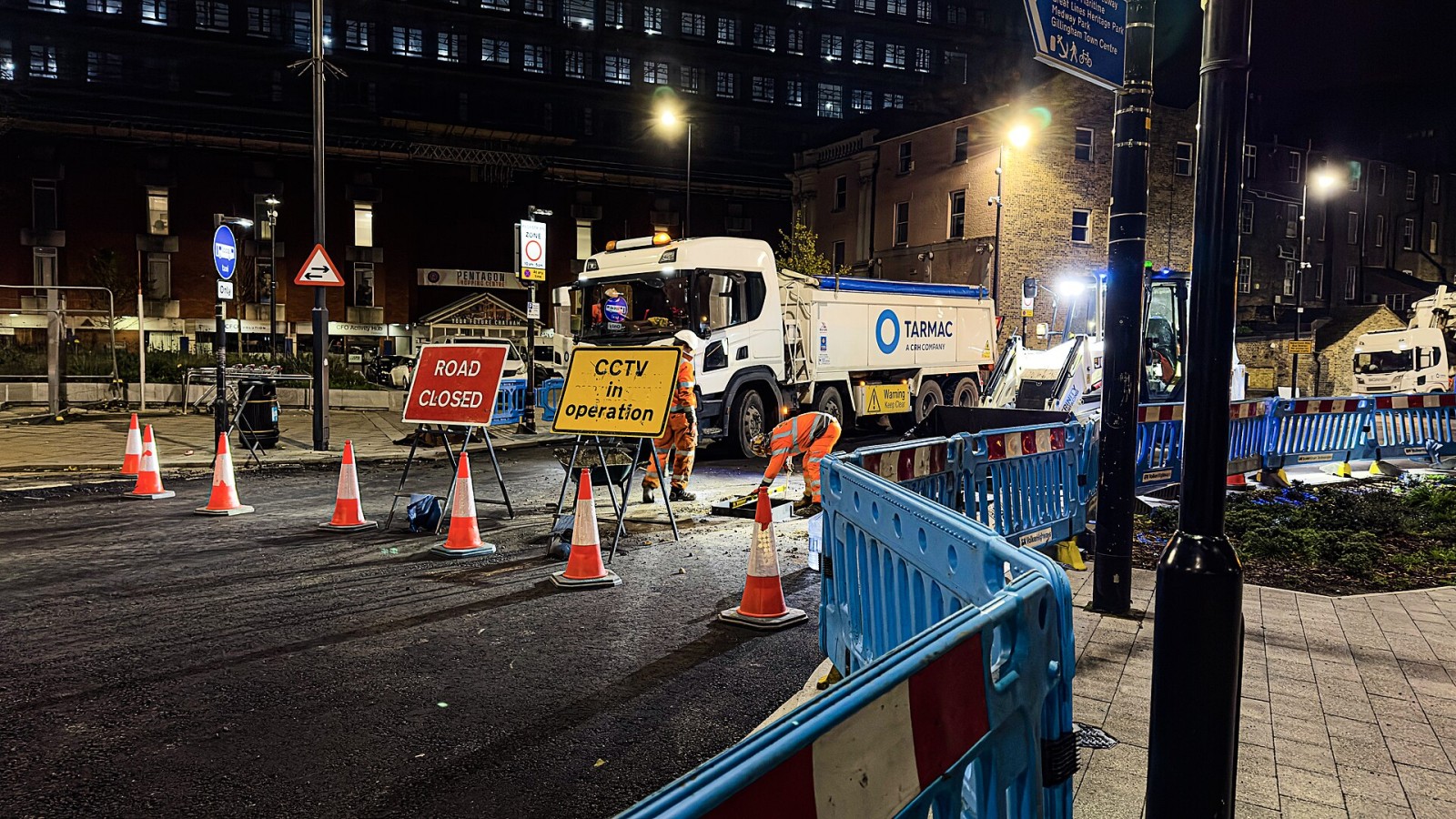
Records of buried services are often incomplete or inaccurate. Surface features and local knowledge can reveal routes not shown on drawings.
The control
Obtain plans, scan, mark and prove positions using safe digging methods. Coordinate isolation and emergency response with service owners.
Evidence on site
Maintain markings and support exposed services. Any discrepancy should trigger reassessment before mechanical excavation continues.
Closing the record
Update as-built information with verified locations and depths. The improved record protects later maintenance and construction.
Editorial note
This article provides general construction information from the official reference below. Project requirements depend on the current law, contract, design and site conditions, and should be confirmed by the responsible competent person.
What we will track next
The next useful update should connect physical progress to service performance. For Excavation safety depends on services as much as soil, that means identifying which assets are commissioned, who operates them, whether water-quality or effluent tests are current and how reliability is measured after handover. Published percentages are easier to assess when the reporting date, design capacity, actual flow and outstanding work appear together.
Readers should also look for power resilience, maintenance funding, trained operators and a defects process. Pipes, pumps, reservoirs and treatment units form one chain; completion of one component does not prove that the full service is working.
Sources
- Construction Regulations 2014 notice — Department of Employment and Labour