Why this matters
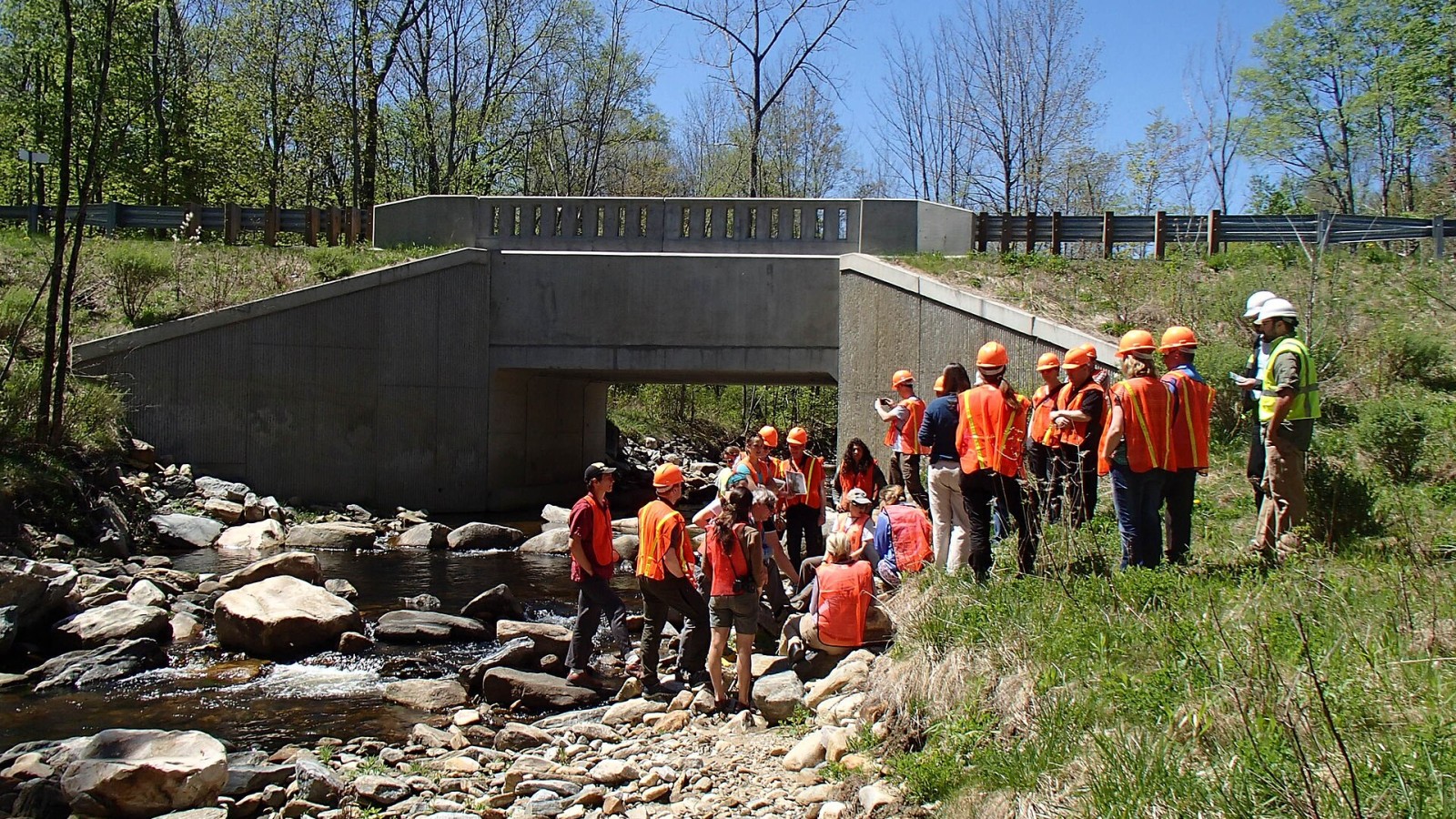
Practical completion generally marks the point at which the works can be used for their intended purpose despite limited outstanding items. The exact test depends on the contract.
Before work starts
Before inspection, the contractor should complete testing, cleaning, statutory approvals and access arrangements. A long snag list can indicate the project is not ready for certification.
What to watch on site
The certificate should trigger a controlled defects period with dates and responsibility. Outstanding information, training and as-built documents need their own close-out status.
Handover and the lasting record
Final completion follows the contract’s later requirements and should not be assumed from occupation. Retention, guarantees and unresolved claims depend on correct certification.
Editorial note
This practical article explains a project-control issue using the official reference listed below. Requirements depend on the contract, site, approving authority and current law; the responsible registered professional should confirm the project-specific position.
What we will track next
The next useful update on Practical completion and final completion are different milestones should identify the current project stage, the evidence supporting it and the decision that must follow. Planning, procurement, construction, commissioning and handover are different milestones and should be reported separately.
Readers should look for a dated scope, responsible institution, approved budget, revised completion date and a clear statement of outstanding work. Those details make progress measurable and reduce the risk that an announcement is mistaken for a finished, operating asset.
Sources
- CIDB Infrastructure Gateway System — Construction Industry Development Board