The risk
Lists often shrink because items are marked complete by the party doing the repair. That can leave poor work hidden behind status colours.
The control
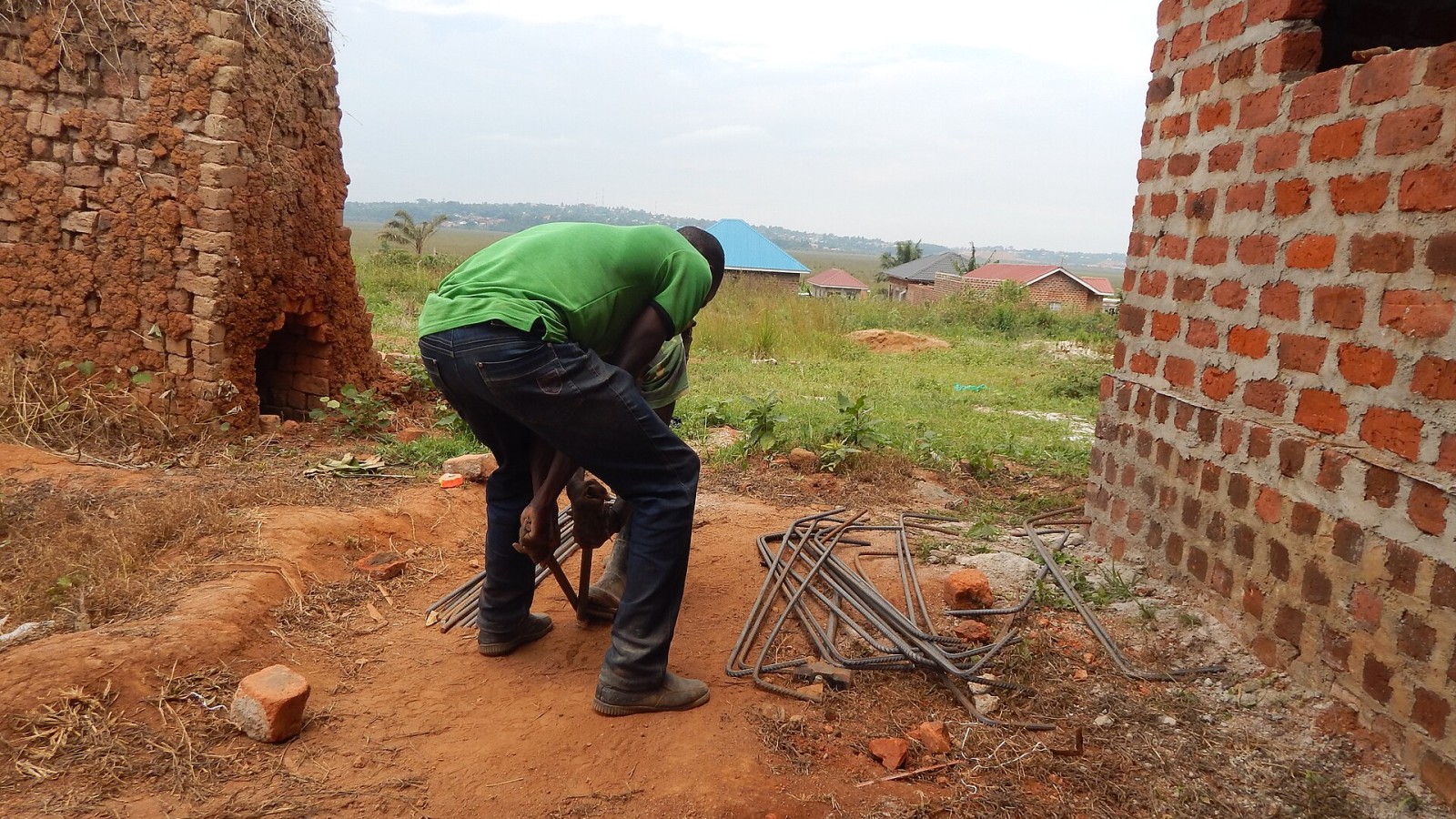
Describe location, defect, required action, owner and date. Add photographs where they help establish the original condition.
Evidence on site
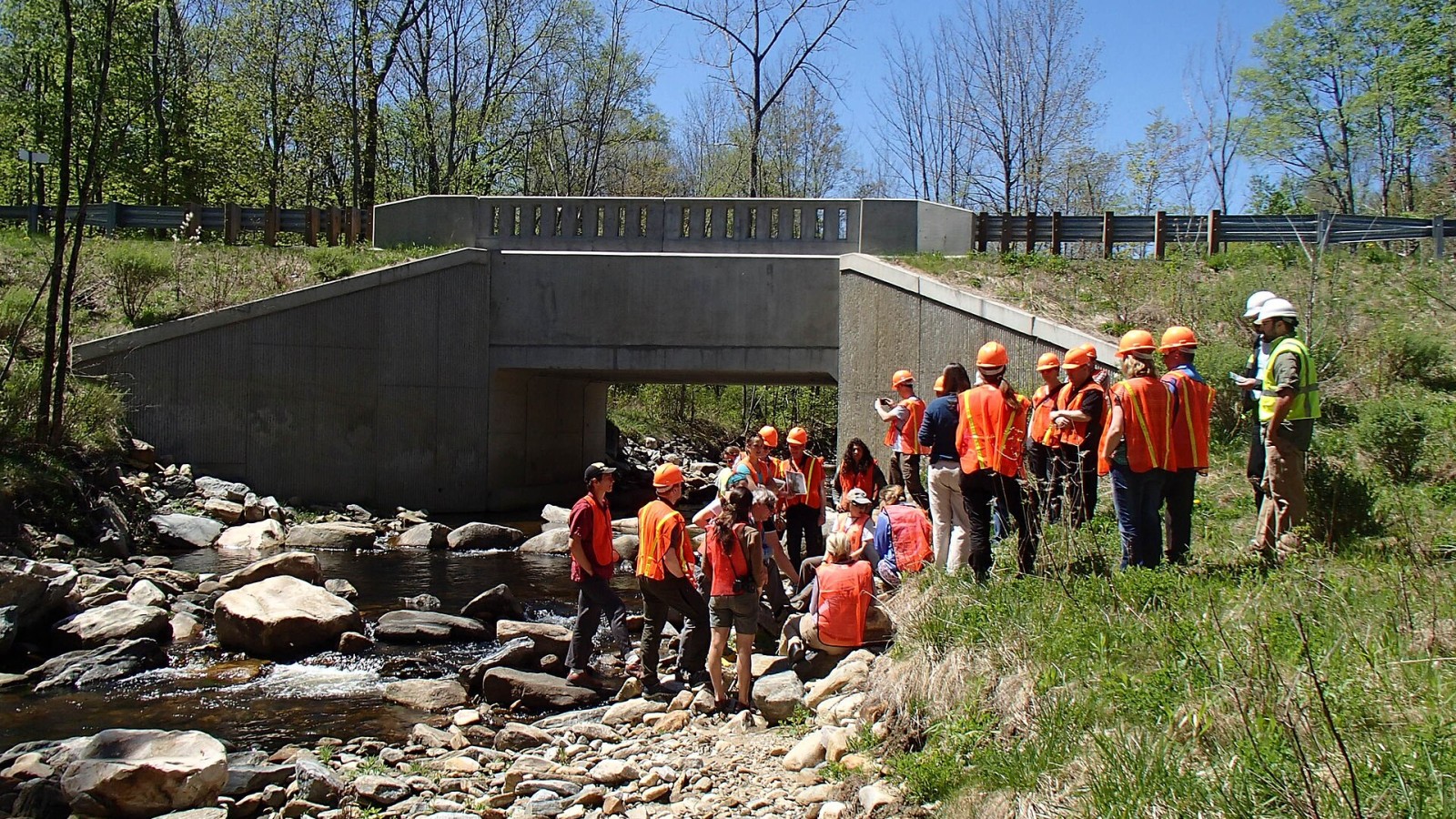
The authorised reviewer should verify completion and reopen failed work. Repeated defects may need a root-cause response rather than another patch.
Closing the record
Retain the final list with warranties and outstanding seasonal tests. The record supports final completion and future maintenance.
Editorial note
This article provides general construction information from the official reference below. Project requirements depend on the current law, contract, design and site conditions, and should be confirmed by the responsible competent person.
What we will track next
The next useful update on Defects close-out needs evidence, not a shrinking spreadsheet should identify the current project stage, the evidence supporting it and the decision that must follow. Planning, procurement, construction, commissioning and handover are different milestones and should be reported separately.
Readers should look for a dated scope, responsible institution, approved budget, revised completion date and a clear statement of outstanding work. Those details make progress measurable and reduce the risk that an announcement is mistaken for a finished, operating asset.
Sources
- CIDB Infrastructure Gateway System — Construction Industry Development Board