What the milestone means
A hall can receive new finishes while the defects that prevent community use remain unresolved. This news-desk explainer follows repairing access ablutions kitchens roofs and public safety systems. The project scope should be tested against events, accessibility and maintenance after handover. A construction announcement becomes useful when it identifies the asset, location, responsible organisation, contract stage and reporting date. Readers should be able to distinguish a plan, an appointment, physical work, practical completion, commissioning and operation.
The records behind the update
The public trail may include approved plans, tender notices, award information, contracts, programme updates, inspection reports, payment certificates and handover records. Those documents should use consistent project names and reference numbers. A later update can change scope or timing legitimately, but it should explain the decision instead of silently replacing the earlier baseline.
What can be observed
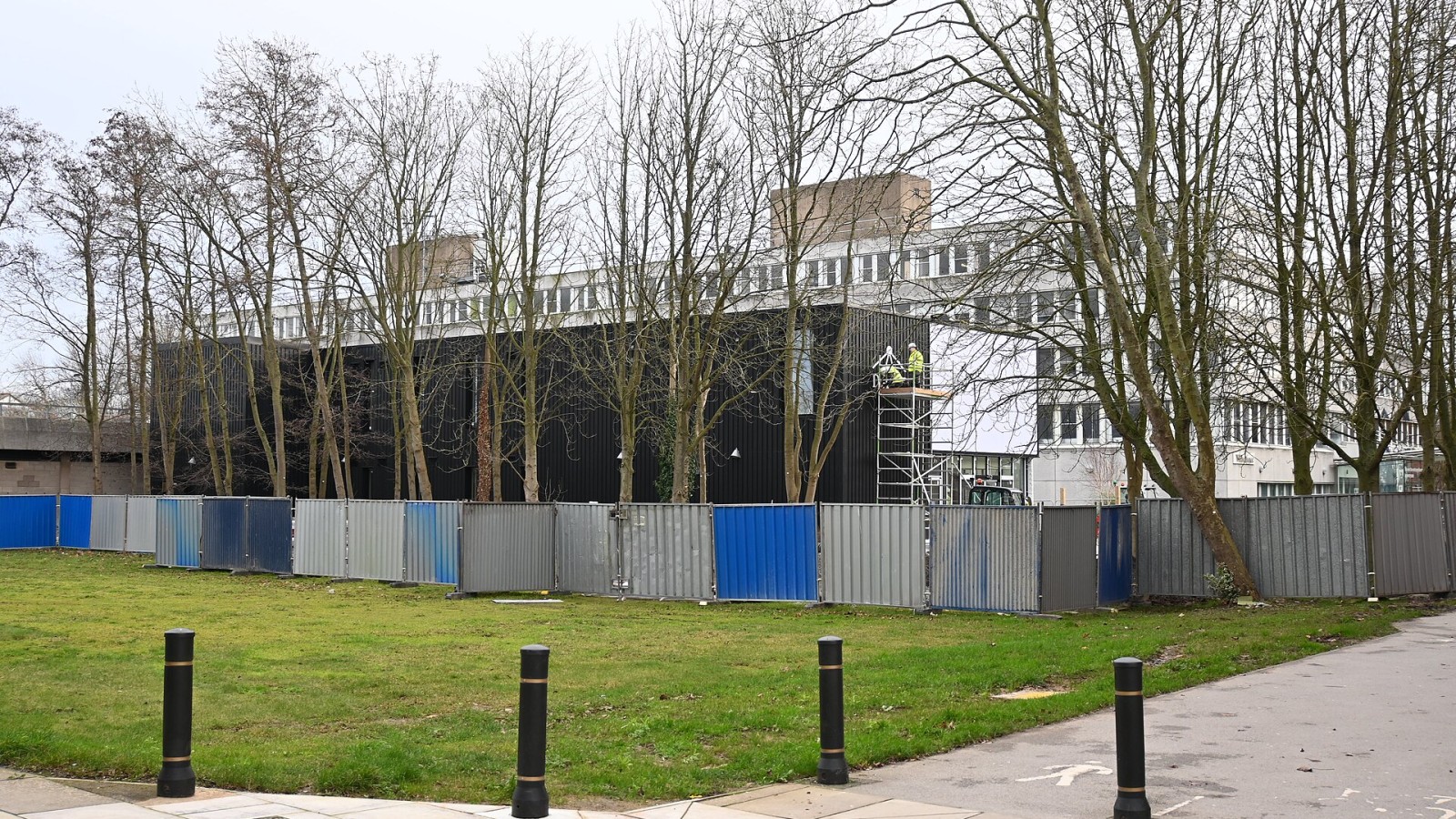
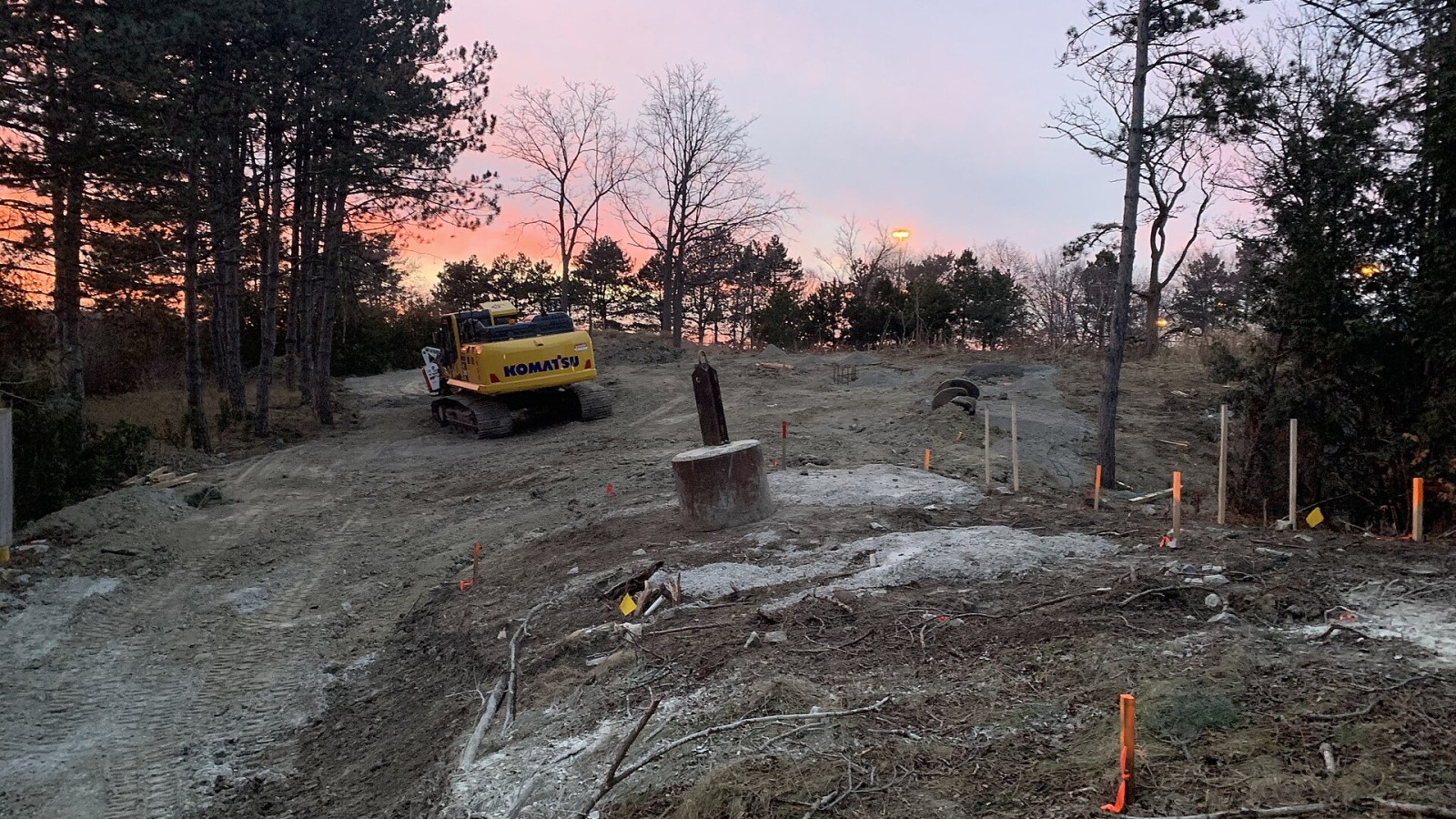
A site visit can record access, active work areas, installed components, temporary arrangements and visible defects from safe authorised positions. Photographs need dates, locations and captions. They should not be used to make conclusions about concealed work or conditions outside the frame. Where the question depends on structural, electrical or process performance, the reporting should rely on tests and appropriately qualified interpretation.
Programme and public access
Construction affects people before the asset is complete. Traffic, pedestrian routes, business access, school activity, clinical services or water supply may need temporary arrangements. Notices should state when and where conditions change, who can answer questions and what happens if the programme slips. Safe continuity is part of delivery rather than a public-relations extra.
Cost and scope
A reported contract value needs a date and scope. It may exclude professional fees, land, earlier phases, equipment or future operating cost. Progress percentages also need a measurement basis. Expenditure does not prove physical completion, and visible work does not prove that every payment is due. Reading quantity, programme and cost records together creates a fairer account.
Quality before concealment
Inspection points should protect excavation, reinforcement, membranes, pipes, cables, fixings and other work that becomes difficult to assess later. Test results need a location and lot or asset reference. Defects should identify the required result, responsible party and verification date. A short snag list is not evidence of quality if important work was never inspected.
Commissioning and handover
The completed asset must operate as a system. Power, water, drainage, controls, alarms, access and maintenance arrangements should be tested under realistic conditions. Operators need training, manuals, spares and authority to respond when a test fails. Practical completion can coexist with outstanding work, so public updates should state whether the asset is occupied, fully commissioned or still under controlled completion.
Questions the next update should answer
The client should confirm the current scope, approved completion date and acceptance evidence. The contractor should describe completed work and constraints. The professional team should identify inspections, tests and unresolved technical items. Users and operators should explain whether temporary arrangements and completed services work in practice. Each party should answer the same dated questions.
Why the distinction matters
The project scope should be tested against events, accessibility and maintenance after handover. Clear milestone reporting protects the public from inflated claims and protects competent project teams from criticism based on the wrong stage of work. It also creates a usable history when weather, ground conditions, design change or procurement decisions alter the programme.
Editorial note
This article explains how to assess a construction update using the linked official public sources. It does not allege wrongdoing by any unnamed project or party and should not replace project-specific professional advice.
Sources
- National Building Regulations and Building Standards Act 103 of 1977 — South African Government
- Standard for Infrastructure Procurement and Delivery Management — National Treasury