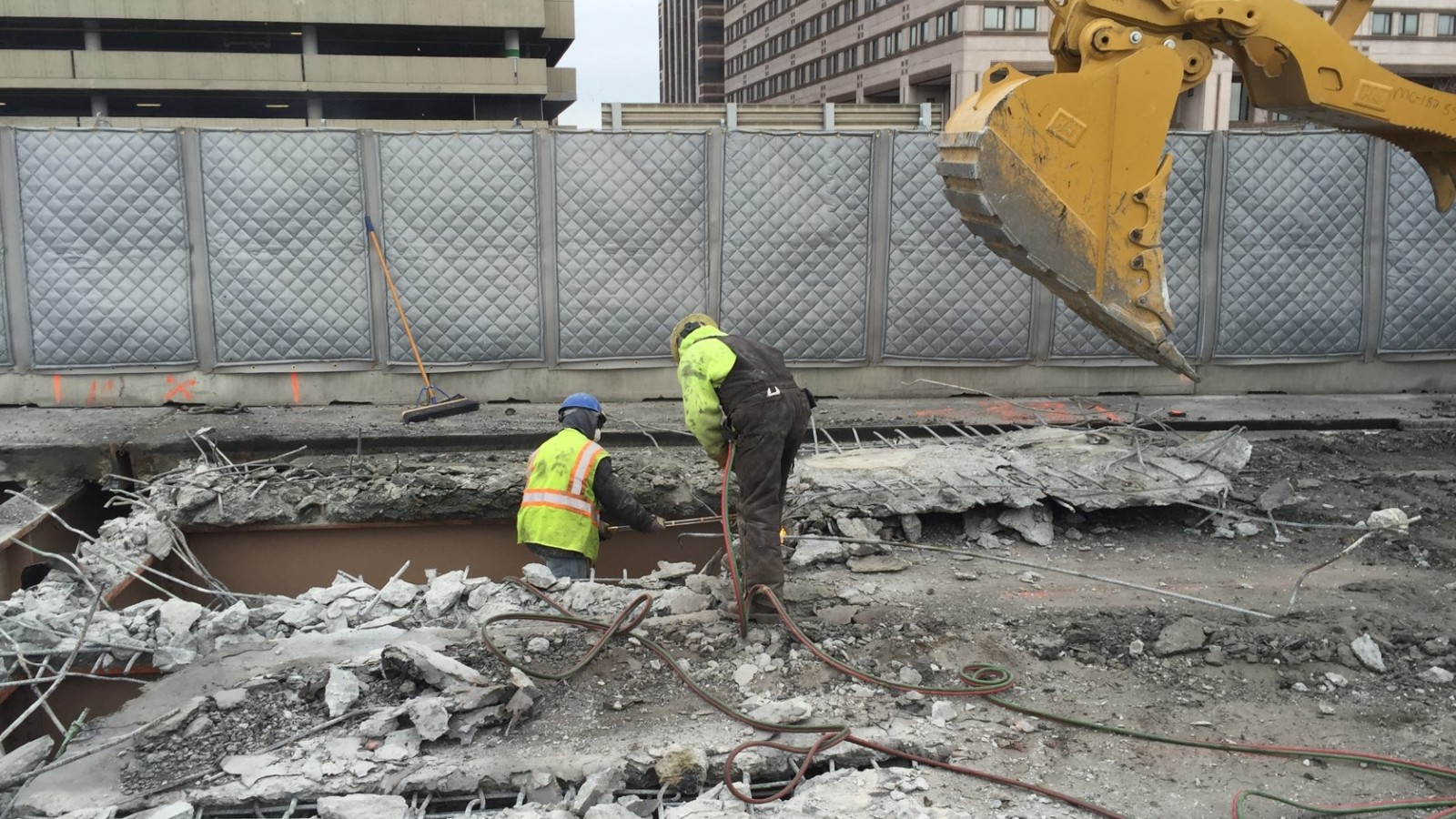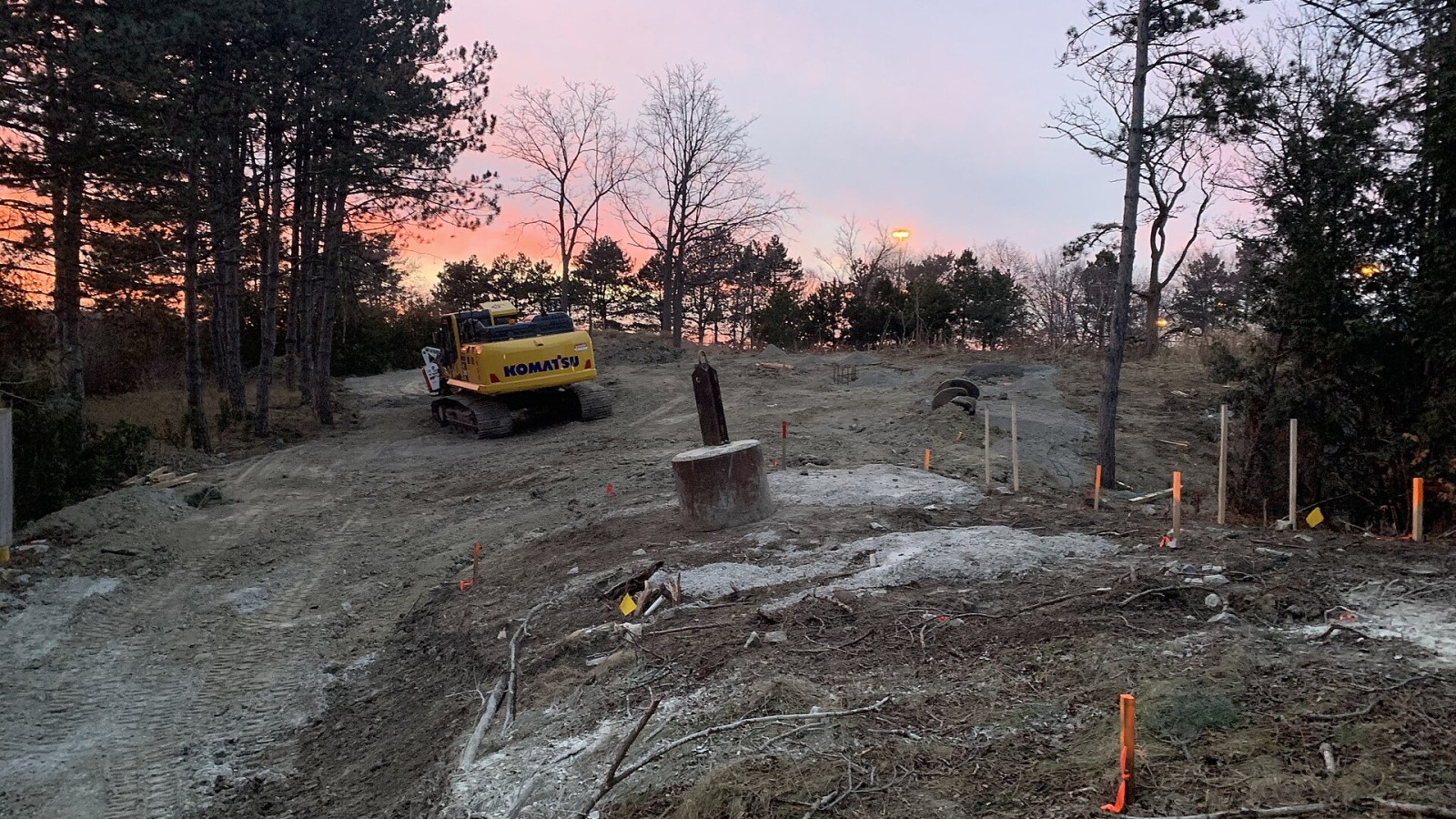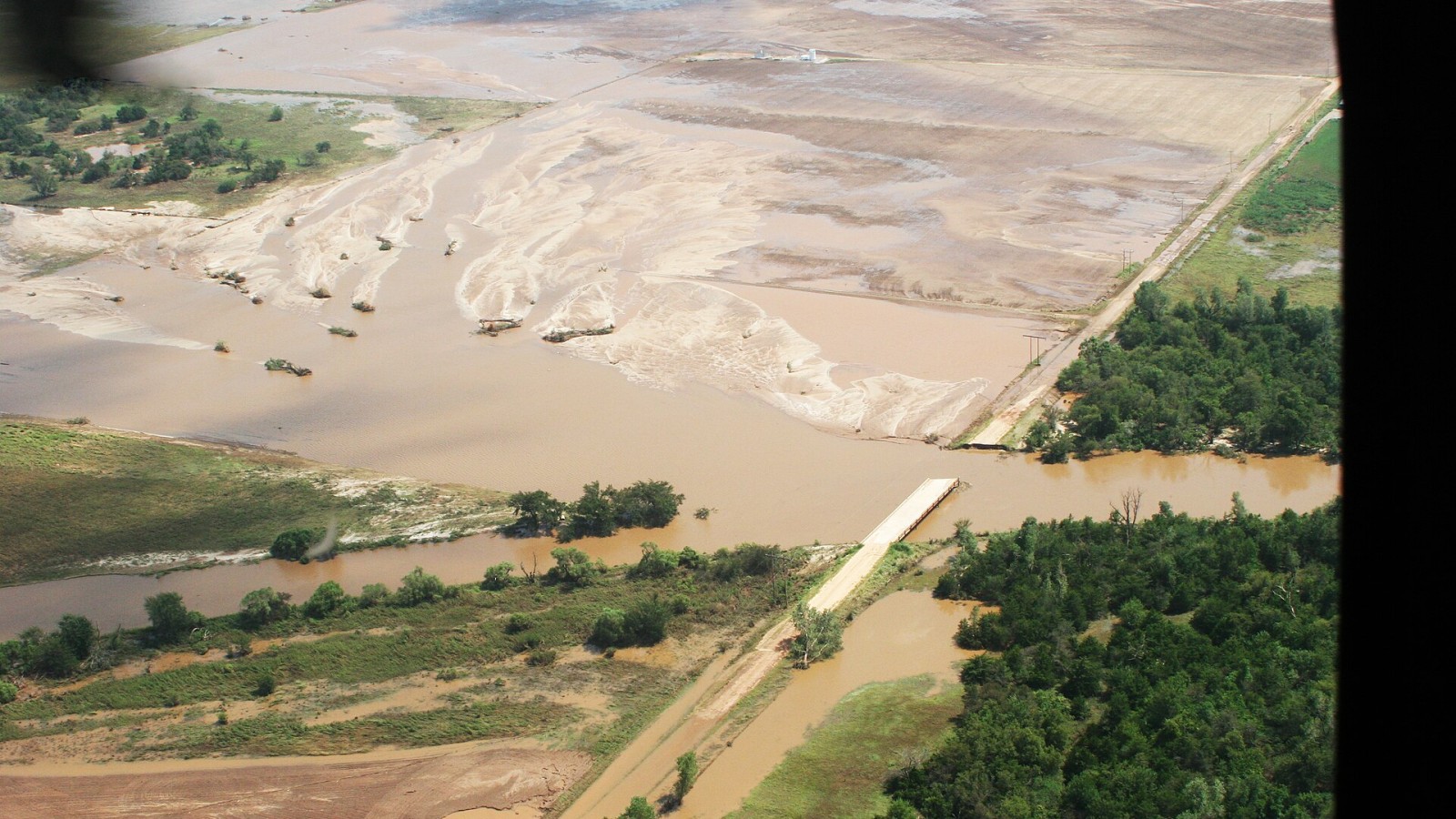
The recovery programme spans more than 450 roads and 3,500 homes alongside public-facility repairs.
The provincial update records damage across transport, housing, schools and health infrastructure, with the heaviest effects in Vhembe and Mopani.
Why the programme matters
A multi-asset disaster programme needs transparent priorities so emergency access, temporary accommodation and permanent reconstruction are not reported as the same stage of delivery.
The projects sit within Limpopo's wider capital programme. Headline values and percentages are useful markers, but they do not on their own confirm procurement, site progress, quality, commissioning or public access. Those stages need separate evidence from the responsible authority.
What to watch
The next useful records will be contract awards, dated construction updates, completion certificates and operating results. They allow residents and the construction sector to compare the stated programme with work delivered on the ground.
Built Report will update this briefing when the responsible public body publishes a material change. No contract value, deadline or completion claim has been inferred beyond the linked official source.
What we will track next
The next useful update should connect physical progress to service performance. For Limpopo flood recovery links roads, schools and damaged homes, that means identifying which assets are commissioned, who operates them, whether water-quality or effluent tests are current and how reliability is measured after handover. Published percentages are easier to assess when the reporting date, design capacity, actual flow and outstanding work appear together.
Readers should also look for power resilience, maintenance funding, trained operators and a defects process. Pipes, pumps, reservoirs and treatment units form one chain; completion of one component does not prove that the full service is working.
Sources
- Limpopo infrastructure and flood-recovery programme — Limpopo Provincial Government