The risk
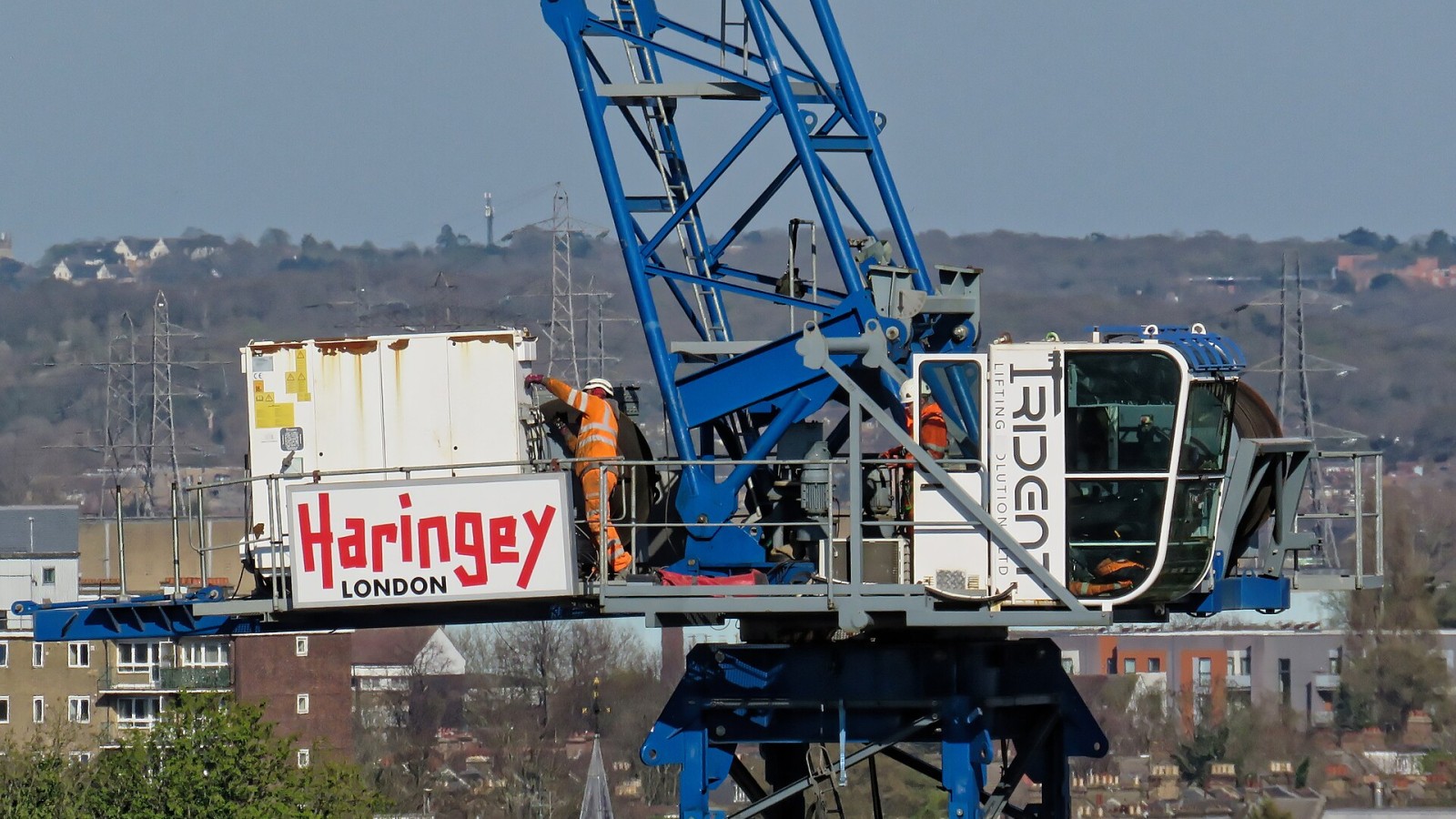
Loads can rotate, snag or behave differently from their stated weight. The crane also transfers reactions into outriggers and the ground.
The control
Confirm weight, centre of gravity, radius, crane configuration, ground bearing and rigging. Define exclusion zones and communication.
Evidence on site
Brief the lift team and stop when wind, visibility or site conditions exceed the plan. Changes require competent review.
Closing the record
Record inspections and any abnormal event. Reusable lifting points and specialised gear need identification and maintenance.
Editorial note
This article provides general construction information from the official reference below. Project requirements depend on the current law, contract, design and site conditions, and should be confirmed by the responsible competent person.
What we will track next
The next useful update on A lifting plan should follow the load from ground to final position should identify the current project stage, the evidence supporting it and the decision that must follow. Planning, procurement, construction, commissioning and handover are different milestones and should be reported separately.
Readers should look for a dated scope, responsible institution, approved budget, revised completion date and a clear statement of outstanding work. Those details make progress measurable and reduce the risk that an announcement is mistaken for a finished, operating asset.
Sources
- Construction Regulations 2014 notice — Department of Employment and Labour