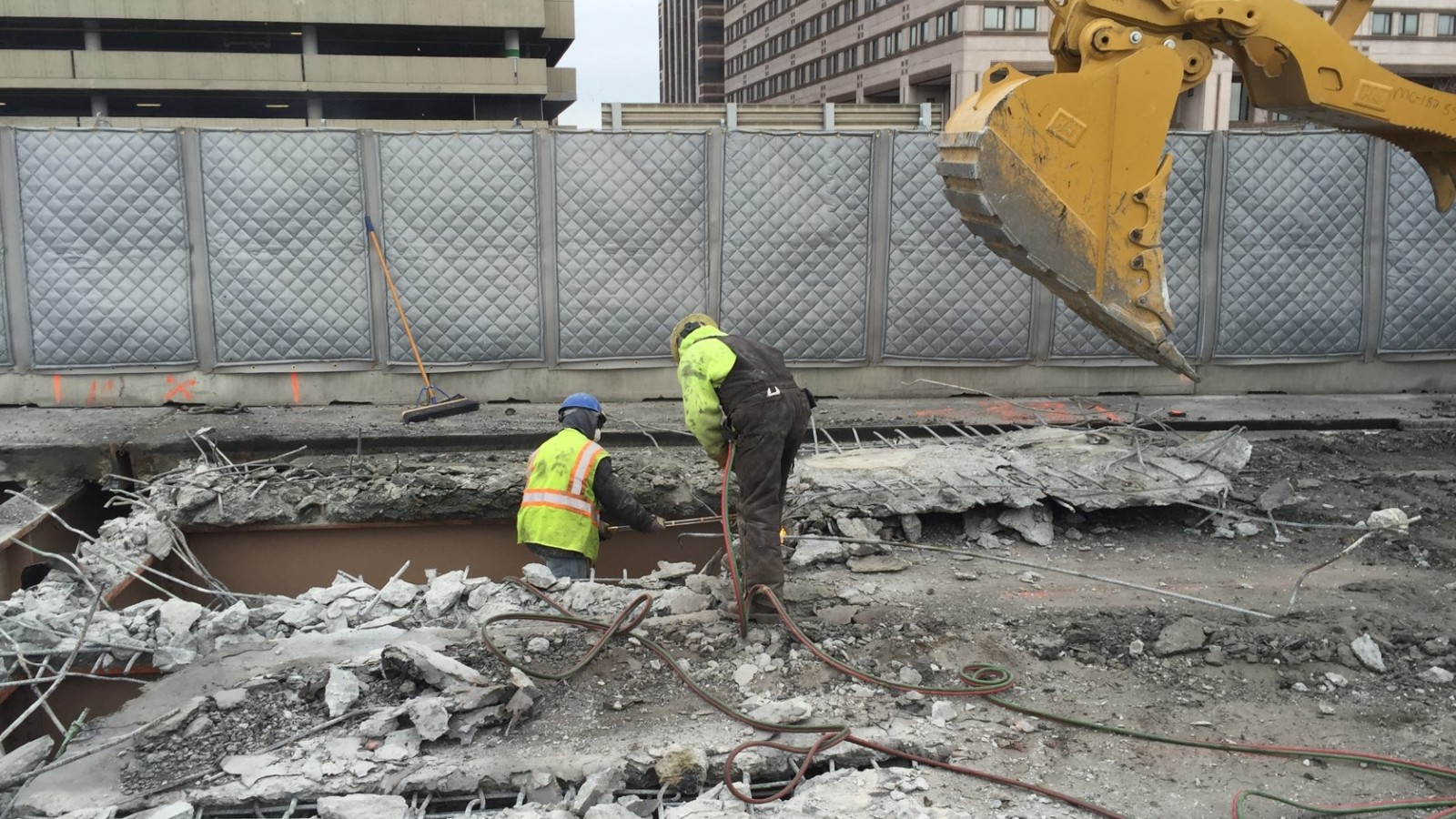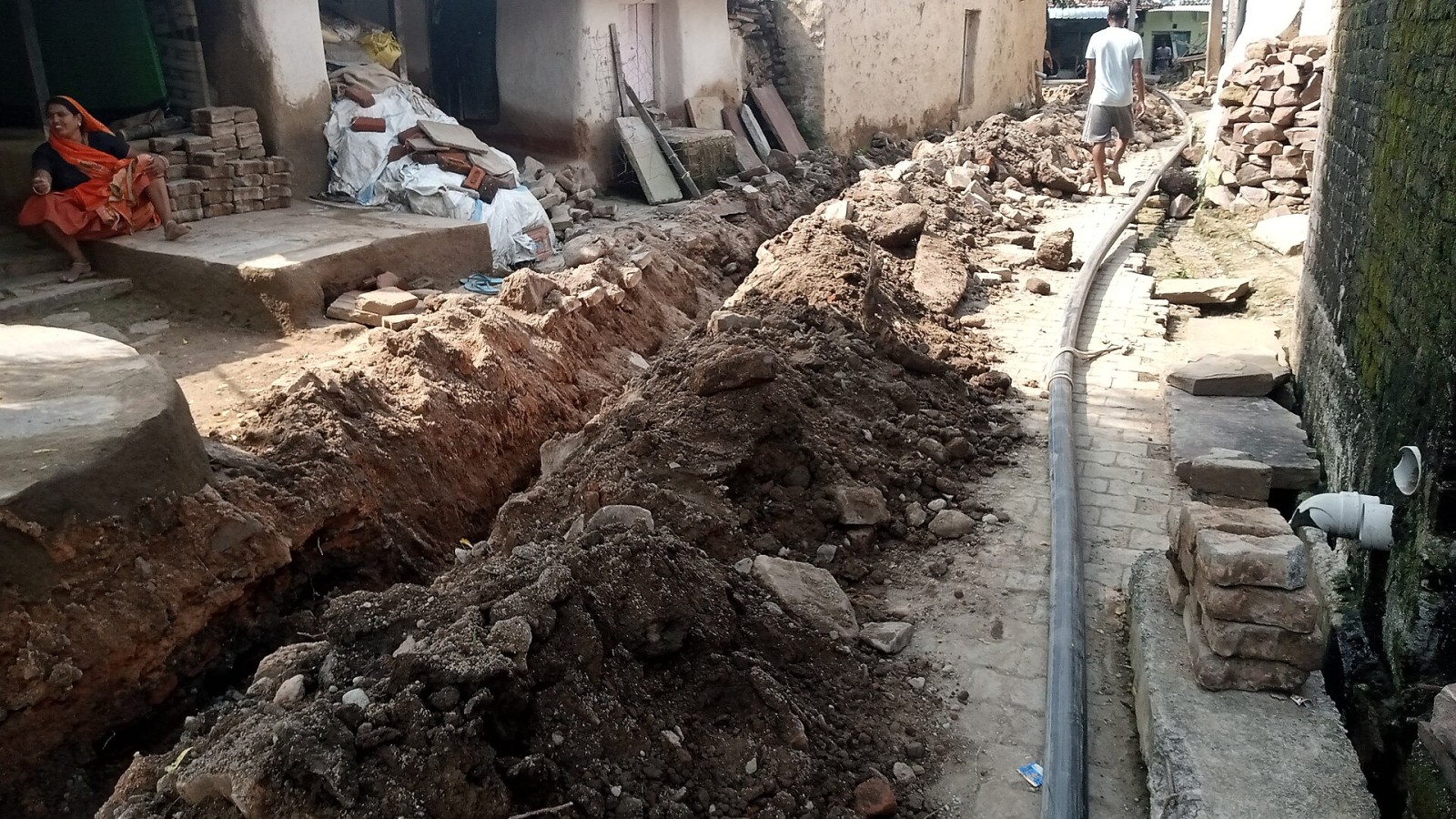
The pipeline is presented as the permanent component of the city’s current intervention.
The official programme targeted completion at the end of 2026. The date remains subject to construction and commissioning.
What happens next
The project milestone comes from an official provincial record. Programme announcements, design, procurement, construction, commissioning and handover are separate stages, and the status reported here reflects the position stated by the issuing authority.
Built Report will update this Gauteng record when the responsible authority publishes a later award, progress certificate or completion notice. Contract values and dates are not inferred where the source does not provide them.
What we will track next
The next useful update should connect physical progress to service performance. For Five-kilometre Johannesburg water pipeline targeted for year-end, that means identifying which assets are commissioned, who operates them, whether water-quality or effluent tests are current and how reliability is measured after handover. Published percentages are easier to assess when the reporting date, design capacity, actual flow and outstanding work appear together.
Readers should also look for power resilience, maintenance funding, trained operators and a defects process. Pipes, pumps, reservoirs and treatment units form one chain; completion of one component does not prove that the full service is working.
Sources
- Gauteng State of the Province Address 2026 — Gauteng Provincial Government