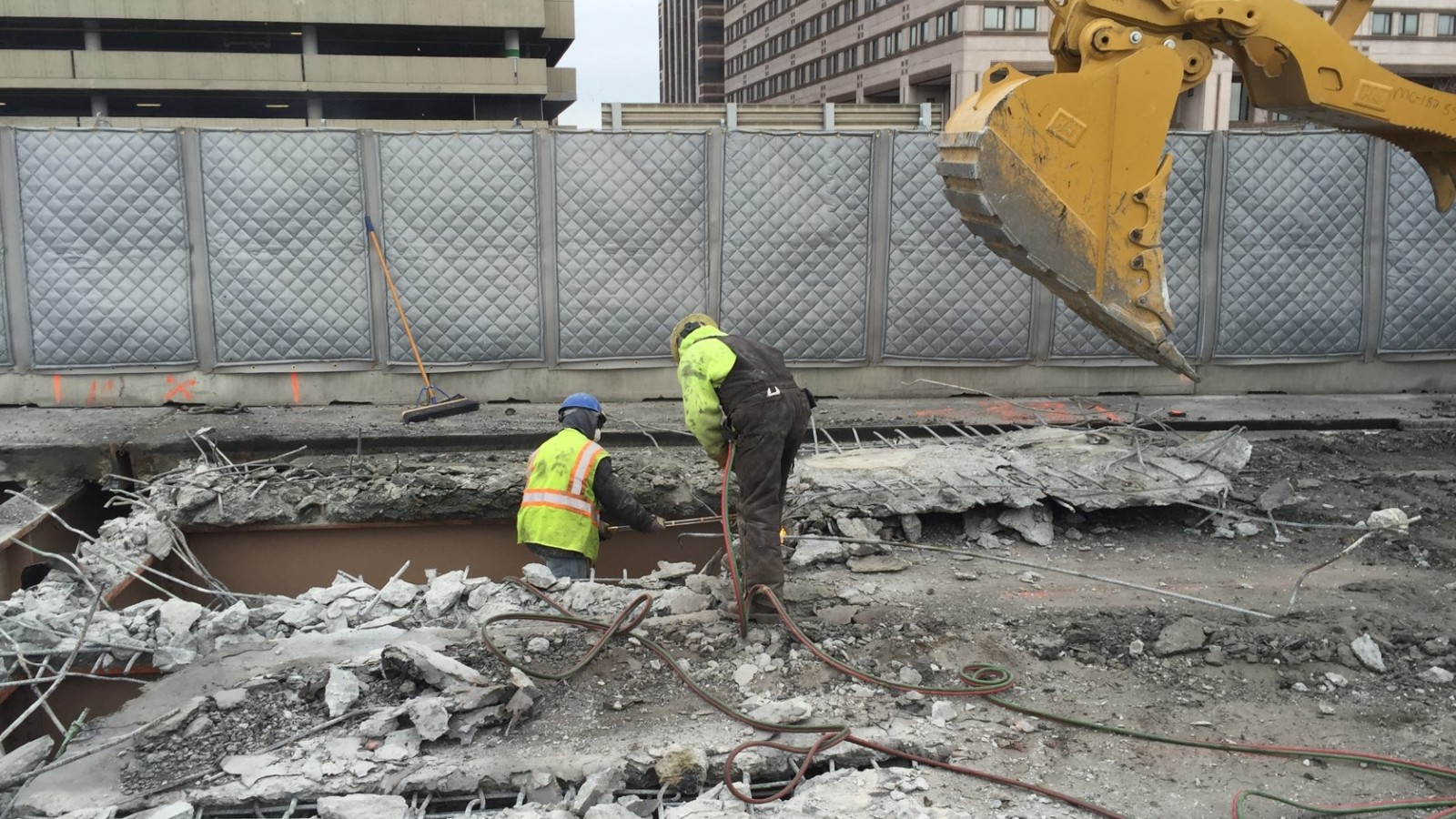
Completed building work across hospitals and clinics now has to translate into functioning clinical space.
Gauteng reports 27 major health-facility refurbishments covering emergency units, theatres, maternity wards, clinics and mental-health facilities.
Why the programme matters
Handover should be followed by checks on equipment, staffing, utilities, infection control and maintenance so that construction output becomes usable health capacity.
The projects sit within Gauteng's wider capital programme. Headline values and percentages are useful markers, but they do not on their own confirm procurement, site progress, quality, commissioning or public access. Those stages need separate evidence from the responsible authority.
What to watch
The next useful records will be contract awards, dated construction updates, completion certificates and operating results. They allow residents and the construction sector to compare the stated programme with work delivered on the ground.
Built Report will update this briefing when the responsible public body publishes a material change. No contract value, deadline or completion claim has been inferred beyond the linked official source.
What we will track next
The next record for Health refurbishment drive moves 27 facilities toward service readiness should show how approvals, design, inspection and workmanship connect. Drawings and certificates matter, but photographs of concealed work, written instructions, test results and a dated defects list make the project easier to verify.
Owners should keep the signed contract, payment proof, professional appointments, enrolment records where applicable and the final approved plans together. This file becomes most valuable when a leak, crack or service problem appears after occupation.
Sources
- Gauteng State of the Province Address 2026 — Gauteng Provincial Government