The Department of Electricity and Energy and National Treasury have reaffirmed the government’s Independent Transmission Projects programme and outlined progress on its first procurement phase.
In a joint update published on 1 October, the departments described the programme as South Africa’s first introduction of private-sector participation in the development of national transmission infrastructure.
Grid capacity as a construction constraint
Additional transmission capacity is required to connect new generation planned under the Integrated Resource Plan 2025. The programme is intended to mobilise capital and delivery capability for that network expansion.
The government update said investor due diligence for Phase I was taking place from 28 September to 2 October 2026. That process was intended to give prospective participants information needed to develop investment proposals.
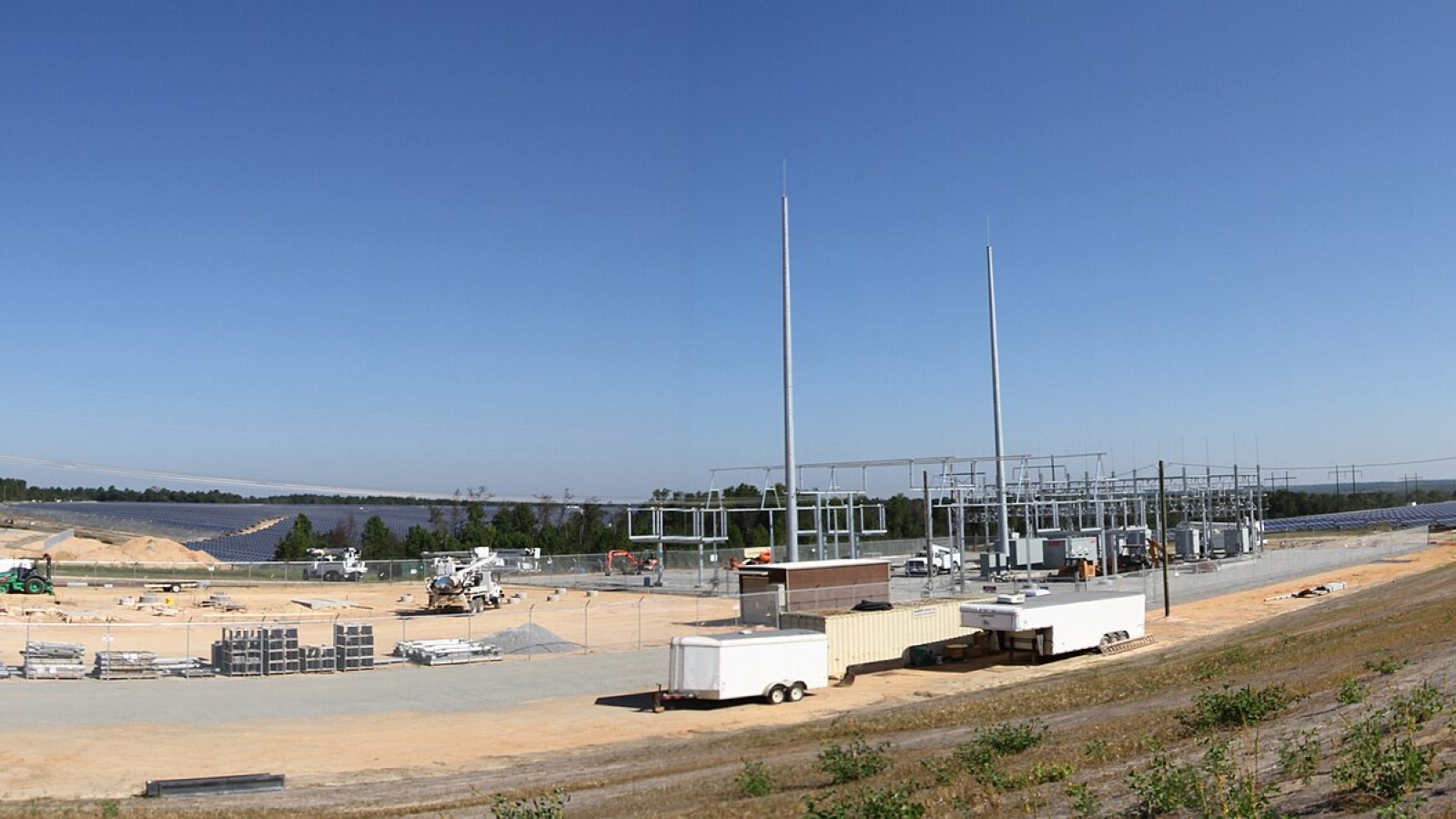
Transmission projects involve more than lines and towers. Development normally depends on route planning, land and servitude arrangements, environmental processes, substations, grid studies, equipment procurement and interfaces with the existing system. Each project’s confirmed scope and risk allocation will be determined by the formal procurement documents.
The departments also linked a sustained project pipeline to localisation, industrial demand, construction capability and skills. Those outcomes will depend on the final procurement requirements and projects that reach financial close and construction.
Built Report has treated the government statement as a procurement update. It does not establish that any individual transmission project has been awarded or started unless a separate official notice confirms that milestone.
What we will track next
The next update on Government advances first phase of private transmission programme should state installed capacity, commissioning status, protection settings and the operating data used to confirm performance. A completed installation still needs safe isolation, accurate monitoring and people responsible for maintenance.
Energy claims are strongest when measured over time and compared with a clear baseline. Weather, occupancy, production and outages can change the result, so the reporting method should be recorded with the headline figure.
Sources
- Independent Transmission Projects programme update — Department of Electricity and Energy and National Treasury