The system behind the visible work
Extreme heat affects people, materials and equipment at the same time. Workers face dehydration and heat illness, fresh concrete loses moisture rapidly, sealants skin over and machinery can overheat. A programme that assumes normal daytime production may create pressure to continue unsafe work or accept poor finishes when conditions move beyond the planned range.
The central lesson is that a Northern Cape construction site operating through high daytime temperatures and dry conditions cannot be judged by its most visible component alone. Design information, construction sequence, inspection access and operating responsibility all influence whether the finished work performs. Decisions made early should therefore be recorded in a form that the site team can use and the owner can later trace.
Planning before production
The heat plan should use forecast conditions, site exposure and task intensity to set work-rest arrangements, shaded recovery areas, drinking water and supervision. Concrete pours may need earlier starts, smaller sections, cooled materials or different delivery timing. The team should define who can pause work and how transport, lighting and neighbourhood constraints affect shifted hours.
A useful pre-start review converts those requirements into named hold points. It should identify the drawing or specification that applies, the person authorised to accept the work and the evidence required before the next activity hides it. Programme pressure is easier to manage when these decisions are part of the planned sequence rather than a late request from an inspector.
Control at the workface
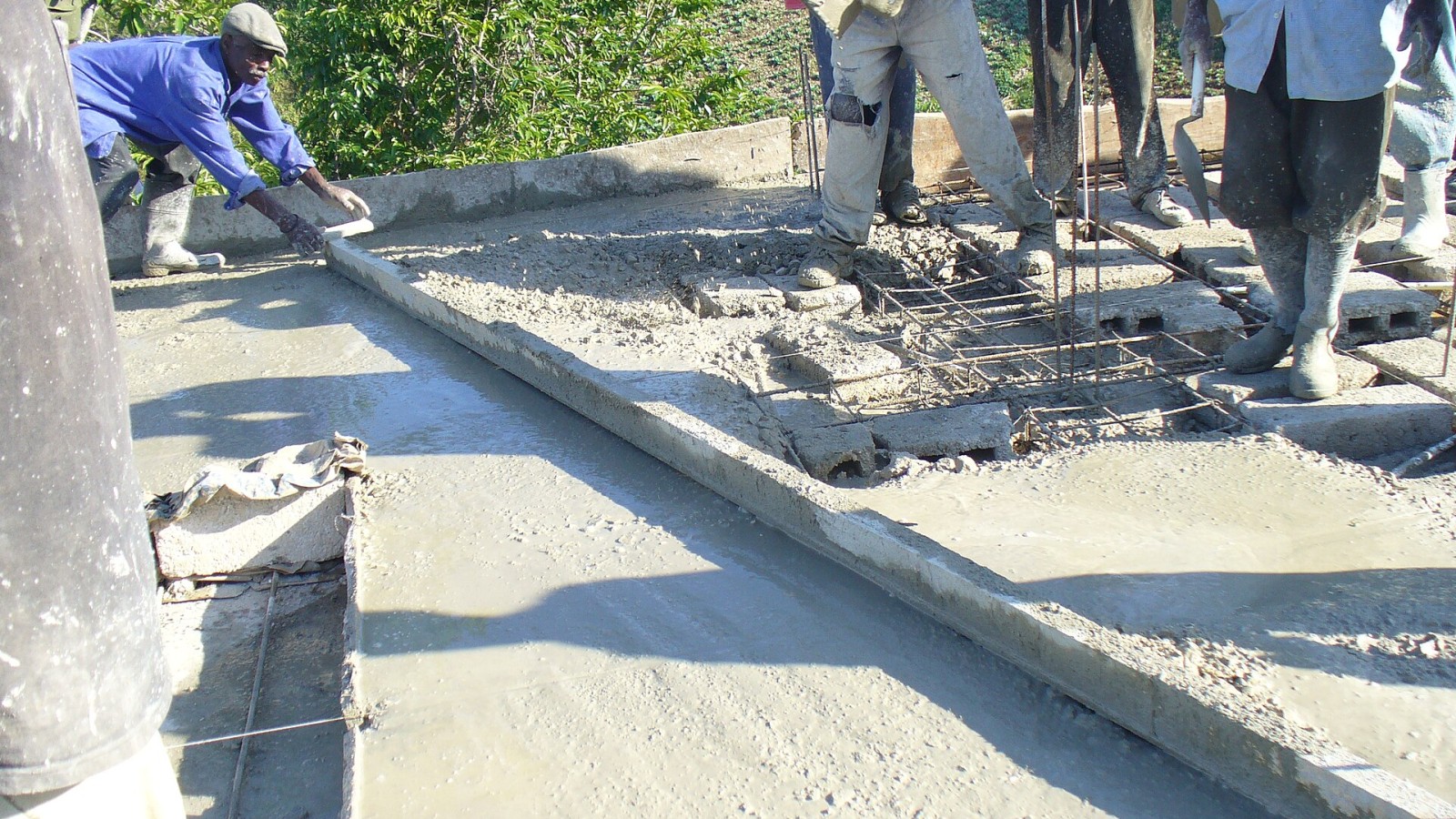
Supervisors need to watch individuals rather than rely only on temperature readings. New workers, heavy protective equipment and reflected heat from roofs or paving increase risk. For concrete, forms and reinforcement may need cooling, delivery intervals require control and curing must begin as soon as the surface permits. Water used for dust suppression should not create slips or contaminate finished work.
Site control depends on current information reaching the people doing the work. Superseded details should be removed, changes explained and unresolved questions logged before production continues. Supervisors also need enough time and access to examine the work. A signature added after concealment cannot recover the evidence that an effective inspection would have created.
Testing and evidence
Daily records should capture weather, start and stop times, breaks, concrete temperature, slump, placement location and curing method. Strength results need to be read with the actual placement conditions. Surface cracking or finishing difficulty should trigger review of the next pour plan rather than a repeated attempt under the same heat.
Evidence should be proportionate to risk but specific enough to support a later decision. Dates, locations, asset numbers, test conditions and responsible people turn loose documents into a usable record. Trends matter as much as isolated results: repeated defects, drifting readings or recurring call-outs can show a system problem even when individual checks appear acceptable.
People and daily operation
Workers must be able to report symptoms without pressure to continue, and first-aid arrangements should include a clear escalation route. Suppliers and subcontractors need the revised sequence early enough to change deliveries and staffing. Nearby communities also deserve notice when safe working hours shift toward early mornings or evenings.
Good engagement does more than distribute notices. It brings operating knowledge into the project while there is still time to change the design, sequence or handover. Concerns should be written down, assigned and closed visibly. That approach respects the people affected by construction and gives the technical team a clearer account of why a particular decision was made.
Handover that supports the next decision
Project teams should retain heat-related decisions as part of the quality and safety record. Lessons from each event can improve seasonal planning, tender allowances and future method statements. Climate resilience on site begins with practical authority to adapt the programme when weather threatens people or the finished asset.
Close-out should leave one coherent trail from the approved requirement to the installed asset and its operating rule. Drawings, photographs, certificates, test results, training and outstanding actions need consistent names and locations. The result is more than an archive: it is the information the owner needs to maintain performance, plan renewal and respond quickly when conditions change.
Editorial note
This article provides general construction information. Project teams should apply the current law, approvals, contract documents and advice of the appropriately registered professionals responsible for the specific work.
Sources
- Construction Regulations, 2014 — Department of Employment and Labour