The system behind the visible work
Concrete near the sea may look sound at handover while the conditions for future corrosion are already present. Chlorides move through pores and cracks toward reinforcement, and corrosion products can split the cover years later. Durability therefore starts with exposure classification, structural detailing and material selection rather than a repair specification written after staining appears.
The central lesson is that a reinforced-concrete structure exposed to the KwaZulu-Natal coast, where chloride ingress and repeated wetting can accelerate reinforcement corrosion cannot be judged by its most visible component alone. Design information, construction sequence, inspection access and operating responsibility all influence whether the finished work performs. Decisions made early should therefore be recorded in a form that the site team can use and the owner can later trace.
Planning before production
The durability plan should state mix requirements, cover, crack-control assumptions, curing, joint treatment and any protective system. Congested reinforcement and thin edges deserve special review because they are difficult to compact and easy to under-cover. Trial mixes and sample panels can reveal workability, finish and curing demands before production pressure reaches the first major pour.
A useful pre-start review converts those requirements into named hold points. It should identify the drawing or specification that applies, the person authorised to accept the work and the evidence required before the next activity hides it. Programme pressure is easier to manage when these decisions are part of the planned sequence rather than a late request from an inspector.
Control at the workface
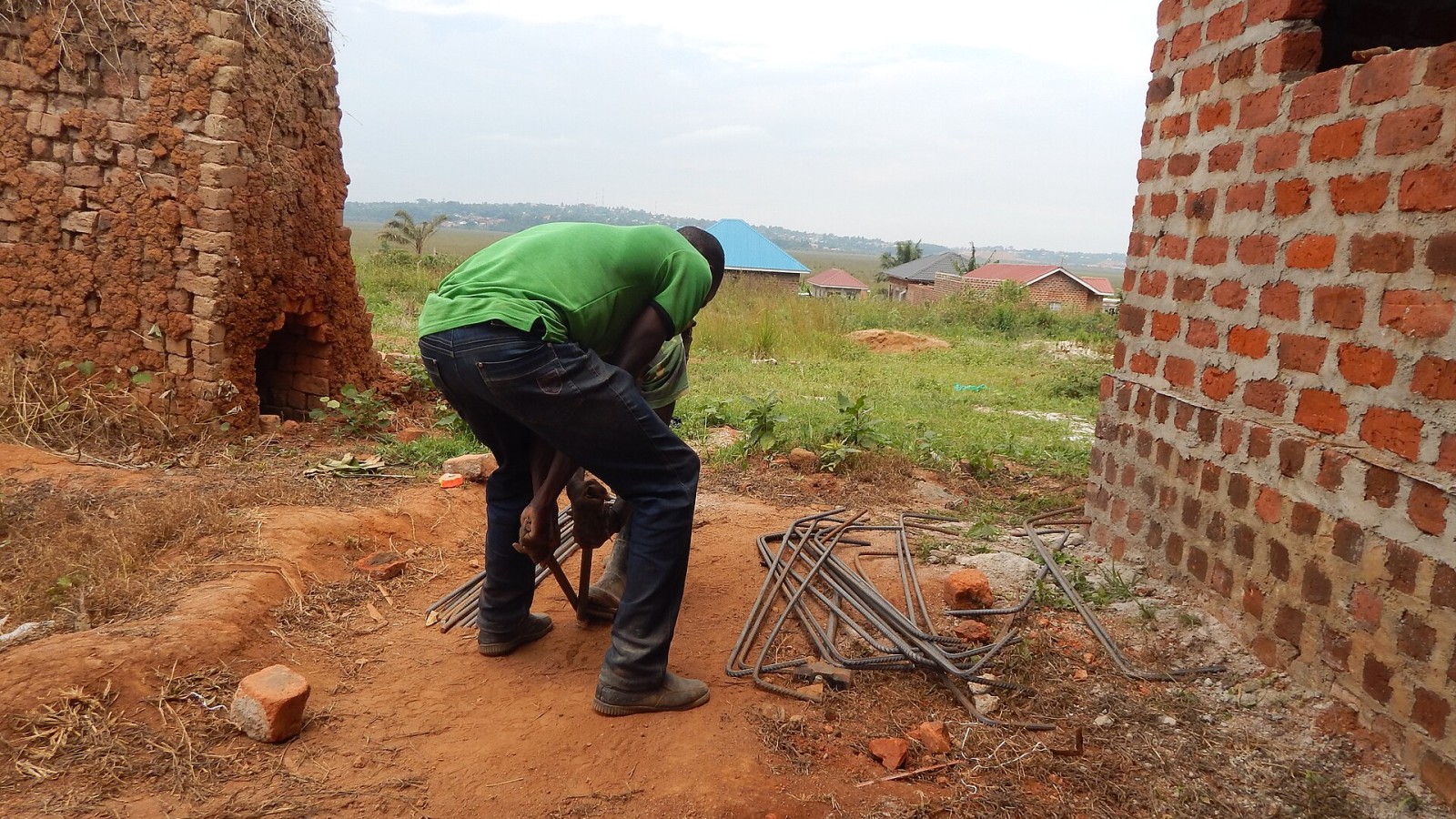
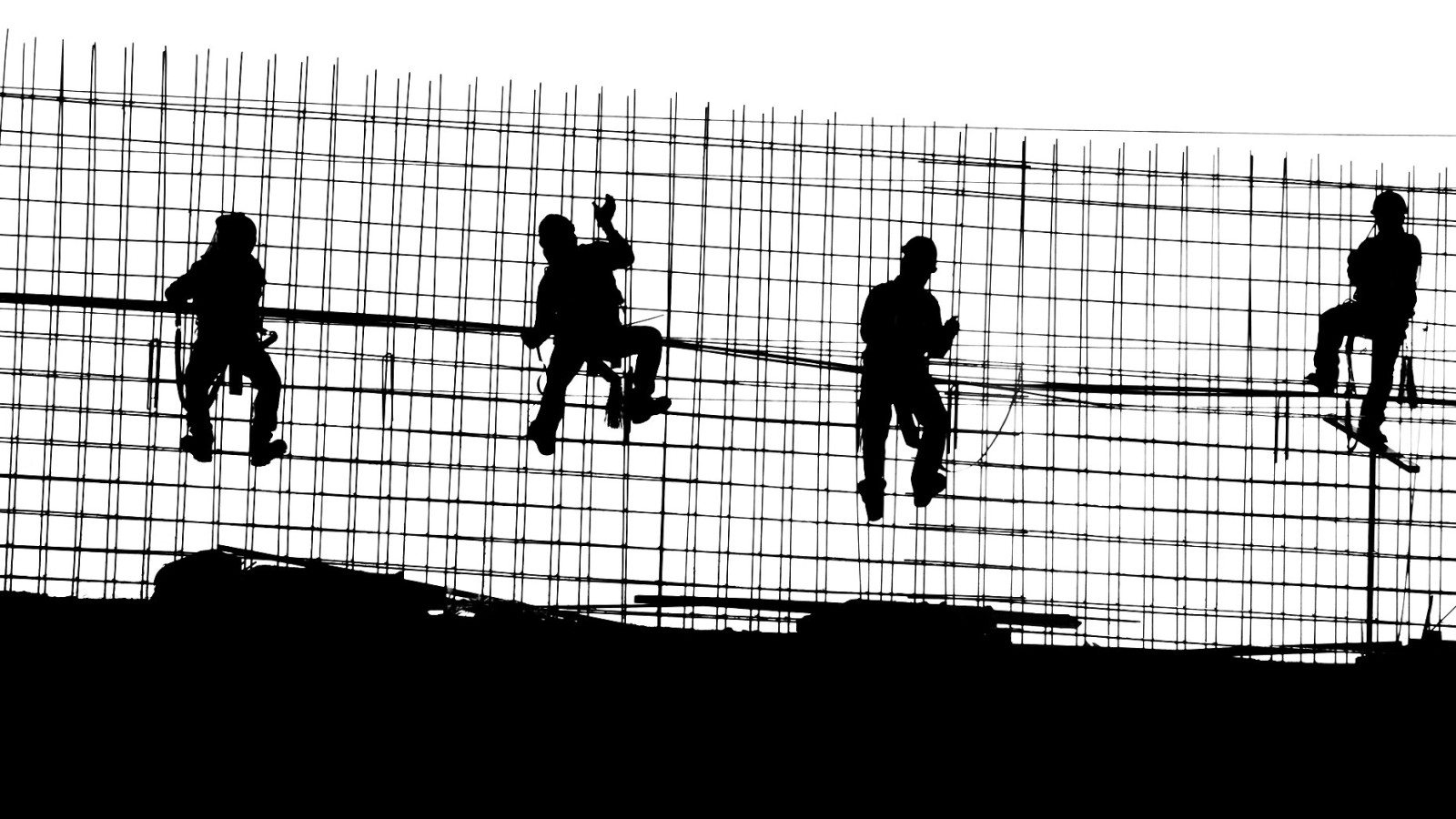
Cover blocks, chairs and reinforcement stability must be checked immediately before concrete placement. Delivery time, slump, temperature and added water require control, while vibration must reach corners without causing segregation. Wind and sun can dry exposed surfaces rapidly, so curing materials and labour should be ready before finishing starts rather than arranged at the end of the shift.
Site control depends on current information reaching the people doing the work. Superseded details should be removed, changes explained and unresolved questions logged before production continues. Supervisors also need enough time and access to examine the work. A signature added after concealment cannot recover the evidence that an effective inspection would have created.
Testing and evidence
Cube strength remains useful but does not prove cover, compaction or low permeability throughout the element. Inspection records should combine batch information, weather, placement location, cover measurements, curing start time and visible defect mapping. Honeycombing, cracking or displaced reinforcement needs an engineering assessment and a recorded repair method, not cosmetic patching.
Evidence should be proportionate to risk but specific enough to support a later decision. Dates, locations, asset numbers, test conditions and responsible people turn loose documents into a usable record. Trends matter as much as isolated results: repeated defects, drifting readings or recurring call-outs can show a system problem even when individual checks appear acceptable.
People and daily operation
Supervisors, steel fixers, concrete suppliers, testing staff and finishing crews all influence durability. A pre-pour meeting should confirm the hold points and give one person authority to stop placement when access, weather or reinforcement is wrong. That decision is cheaper than accepting a defect that will be difficult to investigate once the structure is in service.
Good engagement does more than distribute notices. It brings operating knowledge into the project while there is still time to change the design, sequence or handover. Concerns should be written down, assigned and closed visibly. That approach respects the people affected by construction and gives the technical team a clearer account of why a particular decision was made.
Handover that supports the next decision
The owner should receive pour records, test results, as-built cover information, repair schedules and maintenance guidance for joints and coatings. Future inspections can then focus on known exposure zones and construction events. The value of the plan lies in extending service life and making later decisions from evidence rather than from surface appearance alone.
Close-out should leave one coherent trail from the approved requirement to the installed asset and its operating rule. Drawings, photographs, certificates, test results, training and outstanding actions need consistent names and locations. The result is more than an archive: it is the information the owner needs to maintain performance, plan renewal and respond quickly when conditions change.
Editorial note
This article provides general construction information. Project teams should apply the current law, approvals, contract documents and advice of the appropriately registered professionals responsible for the specific work.
Sources
- CIDB construction standards — Construction Industry Development Board