Why this matters
Opening a bridge confirms that the asset can carry traffic under the approved conditions. It does not replace the baseline information needed to manage bearings, joints, drainage, barriers, concrete and approaches.
Before work starts
Before completion, the owner should have approved drawings, material certificates, test results, load information and a defects schedule. Changes made during construction must appear in the as-built record.
What to watch on site
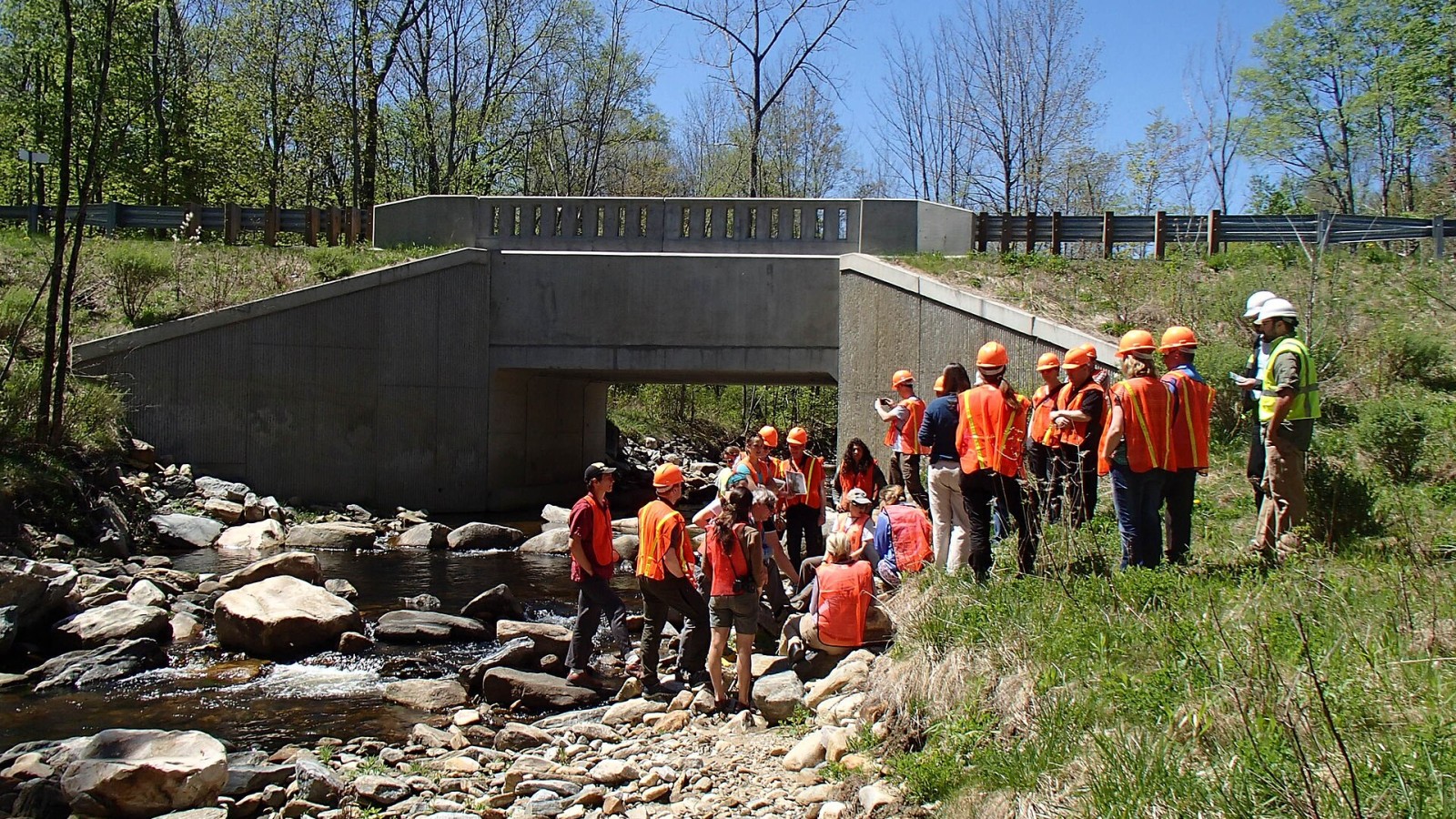
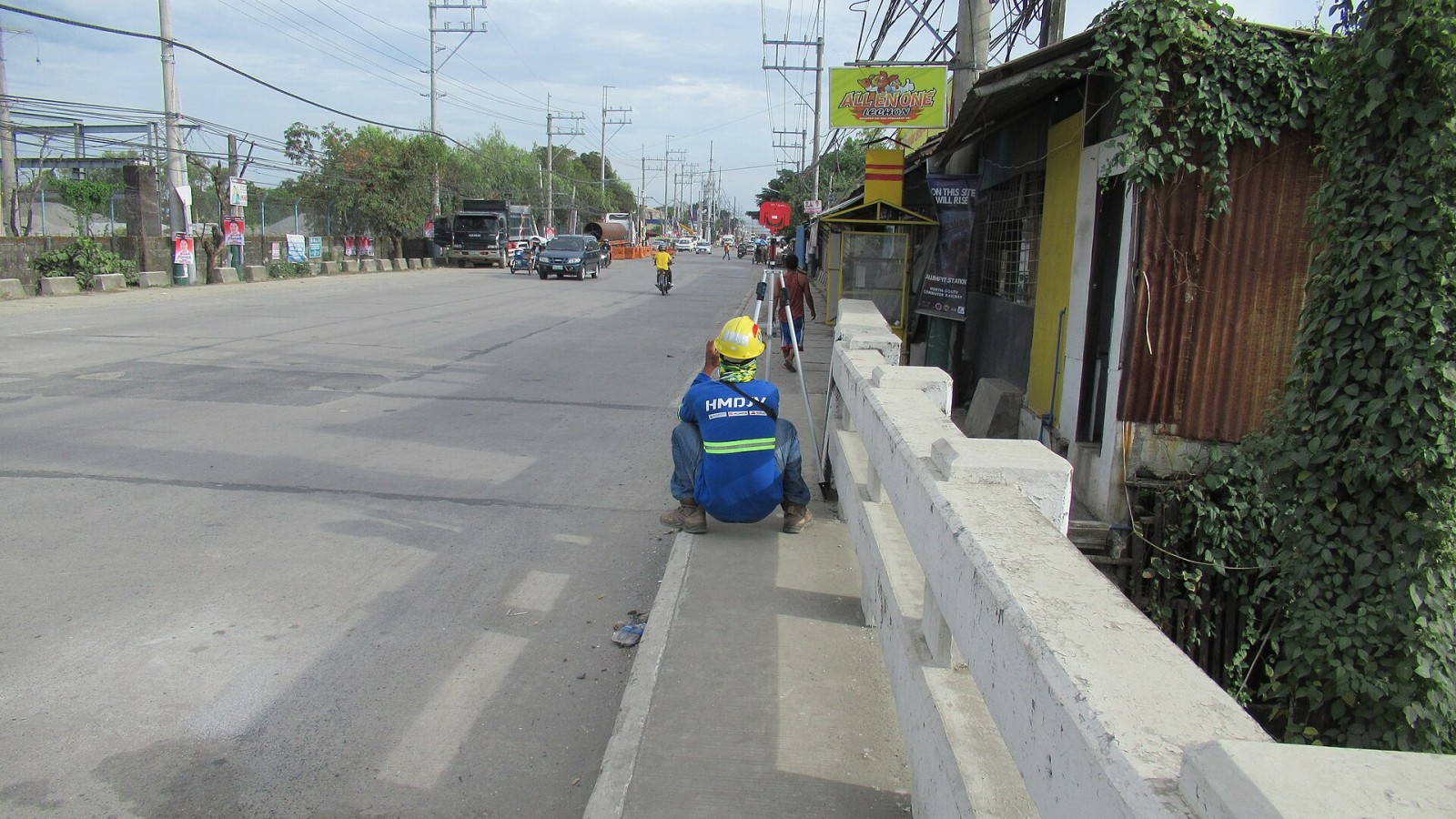
A detailed inspection should capture cracks, levels, joint gaps, bearing positions and drainage condition before traffic obscures the original state. Approach settlement and erosion deserve specific attention.
Handover and the lasting record
The maintenance authority needs an inspection calendar, safe-access plan and named responsibility for defects. A clear baseline makes later movement or deterioration easier to detect.
Editorial note
This practical article explains a project-control issue using the official reference listed below. Requirements depend on the contract, site, approving authority and current law; the responsible registered professional should confirm the project-specific position.
What we will track next
The next useful update on Bridge handover is more than opening the traffic barriers should separate emergency access, construction progress and final handover. Contract value, kilometres treated, drainage work, revised dates and independent quality results give a clearer picture than a single percentage.
After opening, performance still needs observation. Pavement edges, culverts, bridge joints, slopes and erosion protection often reveal problems during the first wet season. A named maintenance authority and a baseline condition record make that follow-up possible.
Sources
- CIDB Infrastructure Gateway System — Construction Industry Development Board