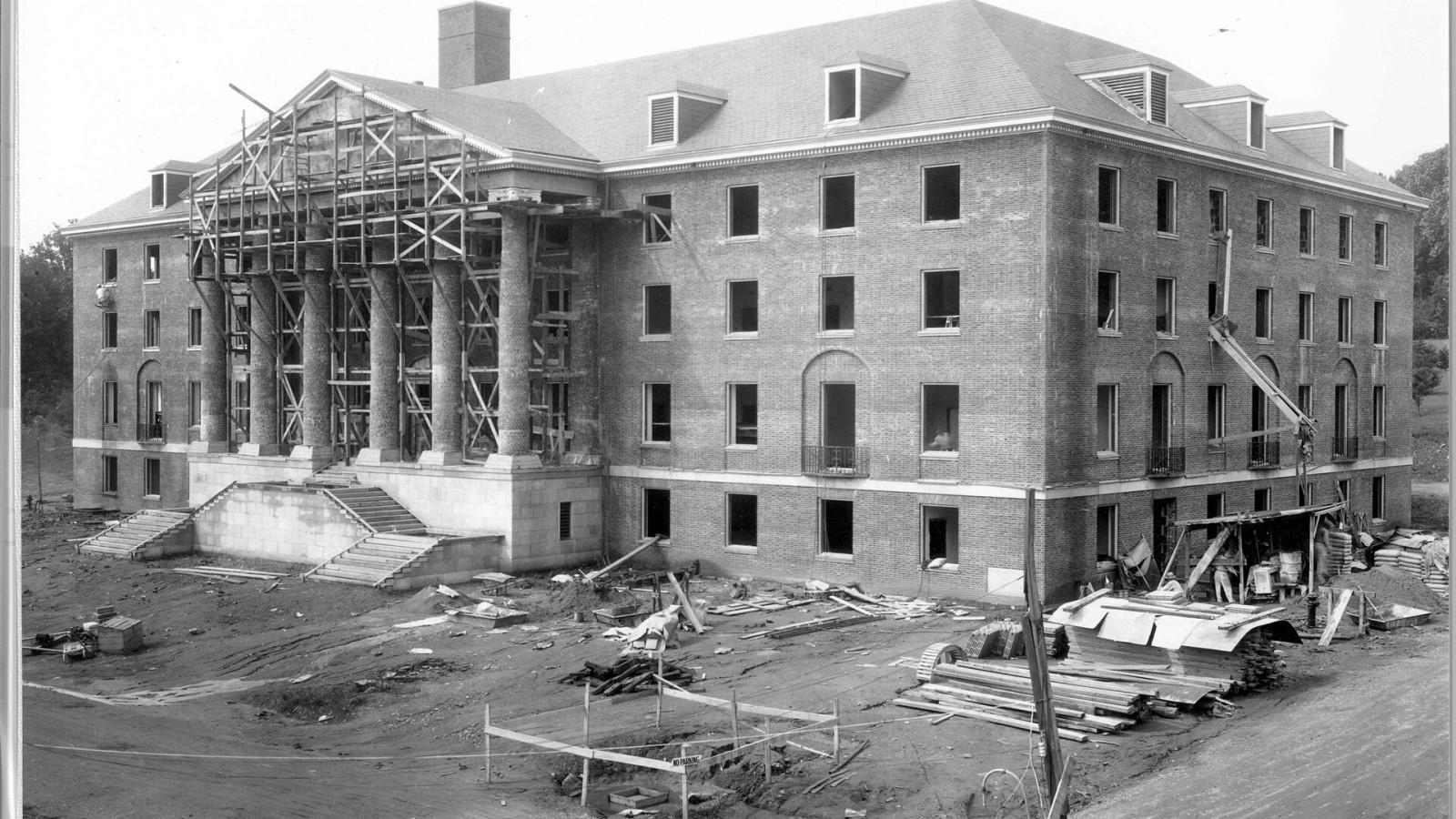
The risk
An early estimate sets direction but relies on assumptions about area, quality, services, site and programme. Those assumptions need visibility.
The control
Break the budget into elements, inflation, contingencies, fees and client costs. Test design options while change is still inexpensive.
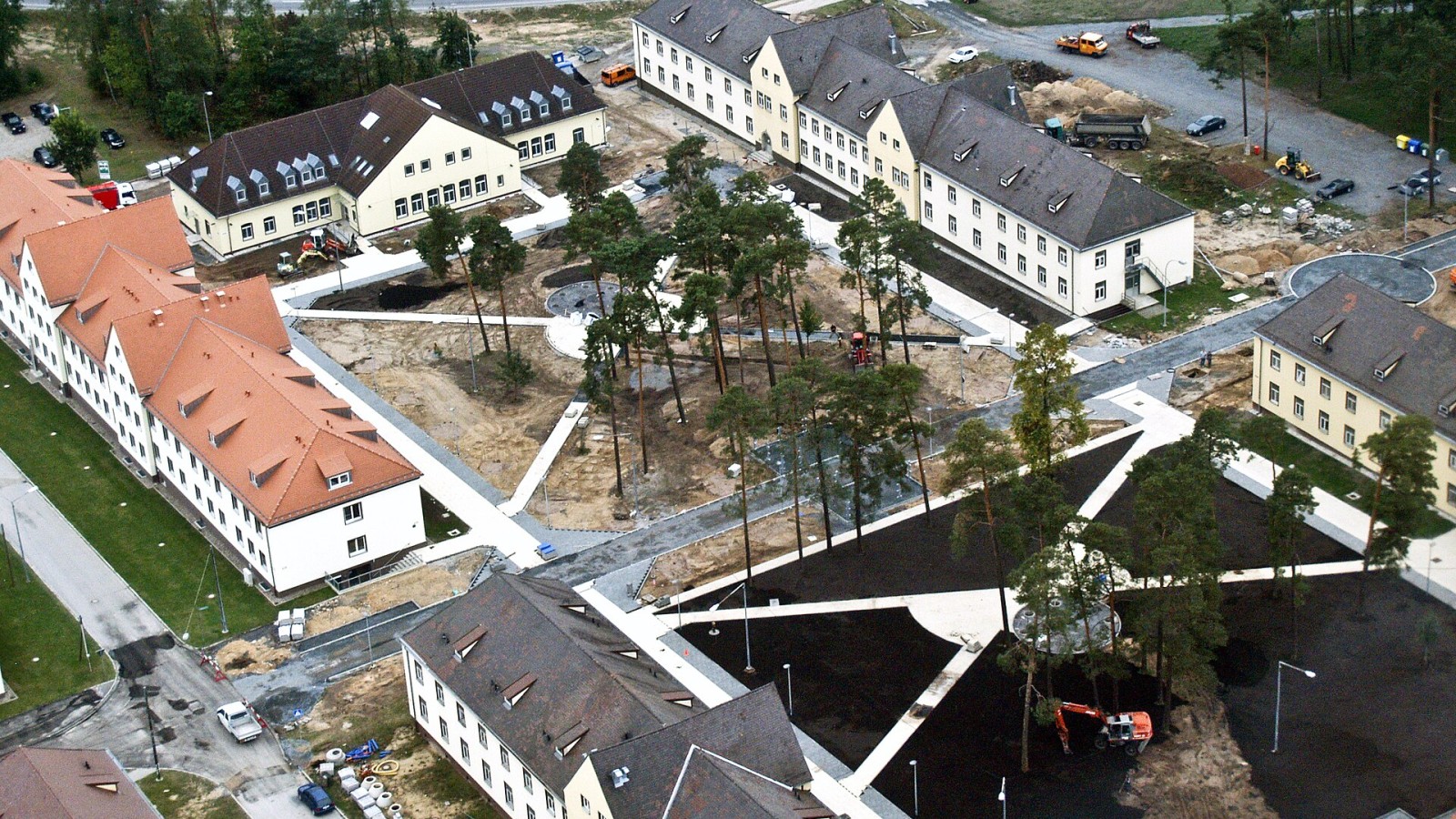
Evidence on site
Update after each design stage and reconcile movement from the previous plan. Separate scope growth from price change.
Closing the record
The final cost report should explain approved changes and outstanding exposure. It becomes a reference for future projects.
Editorial note
This article provides general construction information from the official reference below. Project requirements depend on the current law, contract, design and site conditions, and should be confirmed by the responsible competent person.
What we will track next
The strongest follow-up to A cost plan is a sequence of decisions, not one early estimate is an auditable chain from decision to outcome. Scope, authority, quotation, approval, delivery and payment should agree, with changes recorded while the work is active.
Commercial records are project controls, not end-of-job paperwork. A current programme, cost forecast, instruction register and payment history let the team address risk early and give reviewers evidence for the final account.
Sources
- Council for the Built Environment mandate — Council for the Built Environment