Recovery can be real and incomplete
PRASA’s rebuilding programme has produced visible results: corridors have reopened, new trains have entered service and capital spending accelerated. Its 2023-24 annual report and later parliamentary oversight also show the other side of that recovery: delayed projects, controls that had to be reconstructed and large balances of irregular expenditure connected to ongoing multiyear contracts.
Both realities matter. Passenger trips and restored services measure whether the railway is returning. Contract registers, project schedules and audit outcomes measure whether the rebuilding is controlled well enough to last.
The capital-spending jump
PRASA’s 2023-24 annual report records a Department of Transport capital allocation of R12.936 billion. Actual capital expenditure reached R18.609 billion, 44% above that year’s allocation baseline. The report explains that rollover funds accumulated from earlier years financed the difference.
The largest category was rolling-stock fleet renewal at R11.612 billion. Other capital expenditure, which included corridor recovery, was R4.681 billion. Signalling and telecommunications accounted for R1.242 billion and general coach overhauls R1.074 billion.
Spending above the annual allocation is not automatically overspending when prior-year cash is lawfully available. The accountability question is whether the combined allocation and rollovers translated into completed, operational assets at the expected price and time.
The projects that remained behind
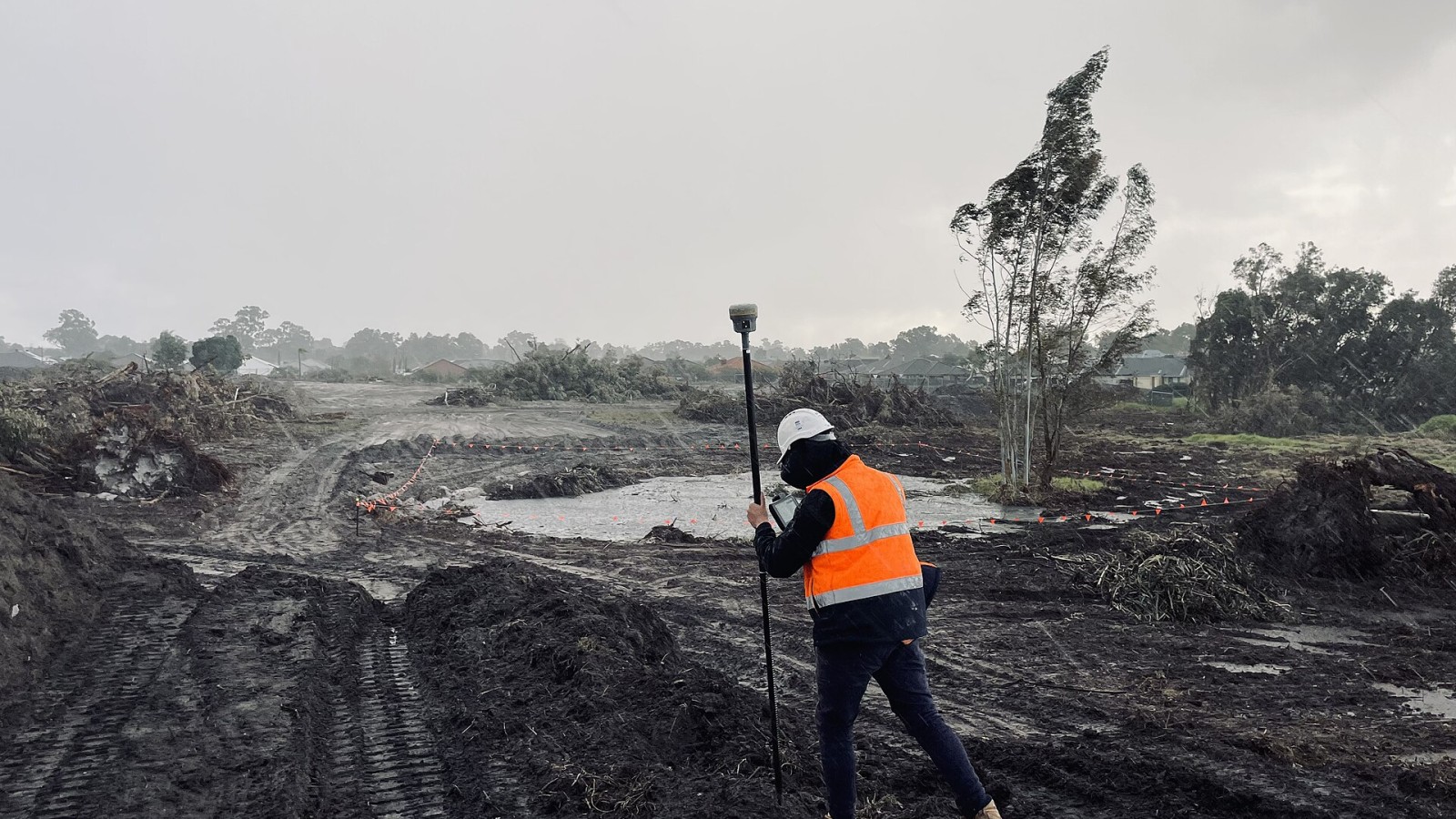
The same report says the “other capital” category did not use its full available allocation. It identifies delays in execution or procurement affecting depot fencing, walling at Mabopane high sites, delivery of 150 kilometres of rail, drainage on the Kwesine line and designs for Durban Yard, Springfield and Salt River depot upgrades.
That list shows why aggregate expenditure can conceal uneven delivery. Fast spending on trains may lift the total while civil, signalling or security packages remain behind. A recovered corridor depends on all of them working together.
In September 2024, Parliament’s transport committee said PRASA had improved annual performance from roughly 16% during the Covid period to 87%. The committee welcomed the trajectory and also said it would test the work through oversight visits.
The contract register problem
In March 2026, the Standing Committee on Public Accounts reported an AGSA briefing on PRASA’s 2024-25 audit. According to that briefing, PRASA had fully reconstructed its contract register, which was needed to disclose commitments and delayed or halted infrastructure projects under construction. Rebuilding the register resolved earlier audit qualifications, but the need to reconstruct it reveals how basic control information had been missing or unreliable.
SCOPA also recorded irregular expenditure of R4.925 billion for 2024-25 and R4.751 billion for 2023-24. Irregular expenditure is an accounting classification for non-compliance; it is not, on its own, proof that the full amount was stolen or that no value was received. It does require investigation, consequence management and a lawful decision on recovery, condonation or write-off.
Signalling is the capacity test
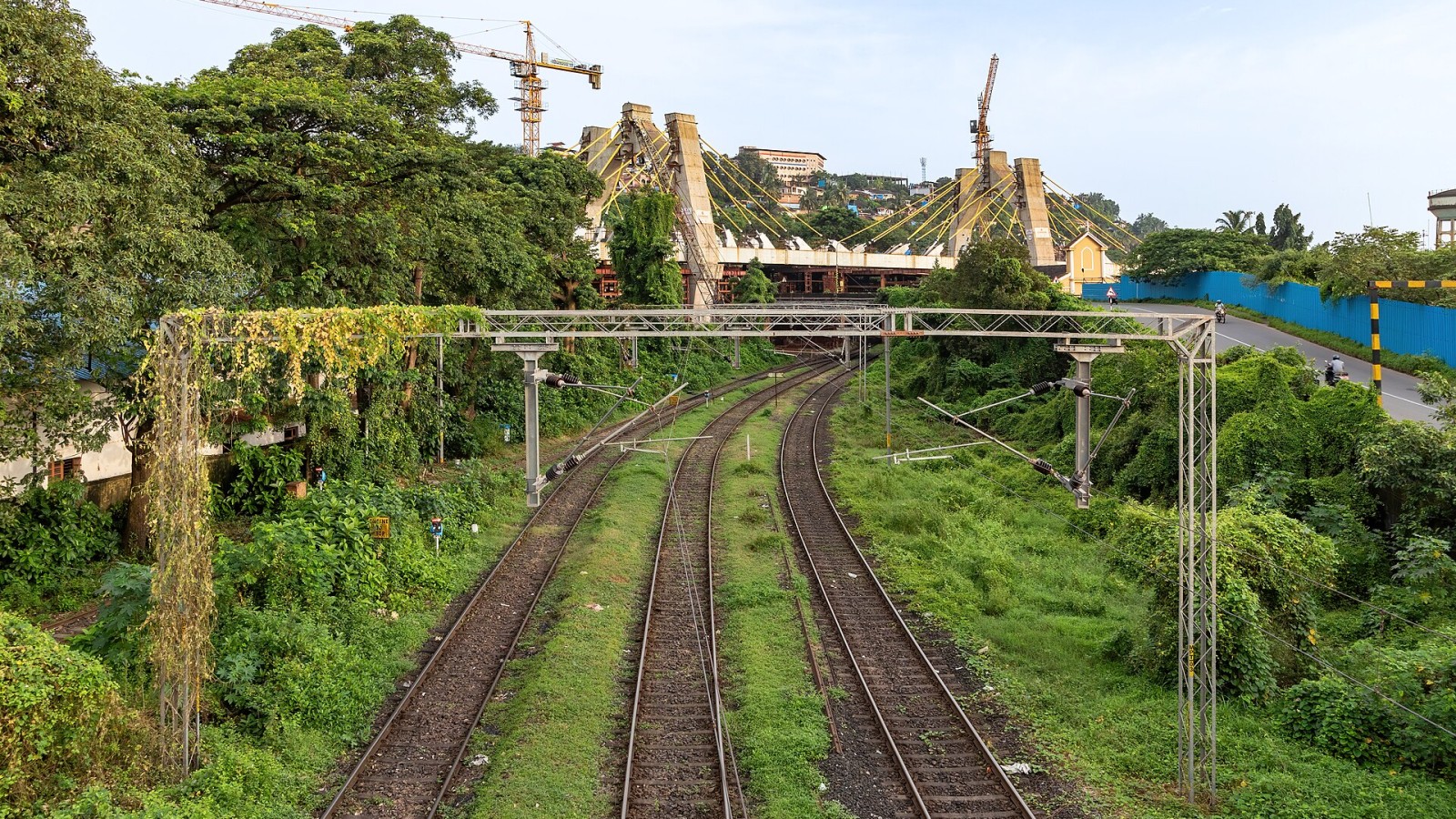
Parliament’s infrastructure committee has pointed to signalling capability as a major contributor to increasing PRASA operations. Trains can return under manual or constrained working, but frequent and scalable service depends on safe signalling, power, telecommunications, protected corridors and functioning stations.
This creates a better recovery measure than “line reopened”. The stronger test is how many scheduled trains operate, at what frequency, with what punctuality and under which signalling mode. Ridership and fare revenue then show whether the restored service meets passenger needs.
What should be visible corridor by corridor
PRASA’s national figures should be accompanied by a corridor dashboard that connects capital projects to service outcomes. For each corridor it should show construction packages, original and revised dates, contract values, physical progress, commissioning status, signalling mode, trains scheduled and operated, cancellations, passenger trips and security incidents.
That would let the public see whether a delayed depot, drainage package or signalling contract is constraining service. It would also distinguish a procurement delay from a completed asset waiting for commissioning.
How we reported this investigation
This article uses PRASA’s 2023-24 annual report and published parliamentary committee statements. Financial figures are reproduced from the entity’s report; audit matters are attributed to AGSA’s briefing as reported by SCOPA. The article does not infer criminal conduct from irregular expenditure and does not treat system-wide performance as proof of conditions on every corridor.
What we will track next
The next useful update on PRASA’s recovery ledger: record capital spending, reopened rail and the controls still under repair should separate emergency access, construction progress and final handover. Contract value, kilometres treated, drainage work, revised dates and independent quality results give a clearer picture than a single percentage.
After opening, performance still needs observation. Pavement edges, culverts, bridge joints, slopes and erosion protection often reveal problems during the first wet season. A named maintenance authority and a baseline condition record make that follow-up possible.
Sources
- PRASA annual report 2023-24 — Passenger Rail Agency of South Africa / Parliament
- Transport committee statement on PRASA recovery — Parliament of South Africa
- SCOPA briefing on PRASA audit outcomes — Parliament of South Africa
- Remarks by the Select Committee on Public Infrastructure — Parliament of South Africa