The proposition
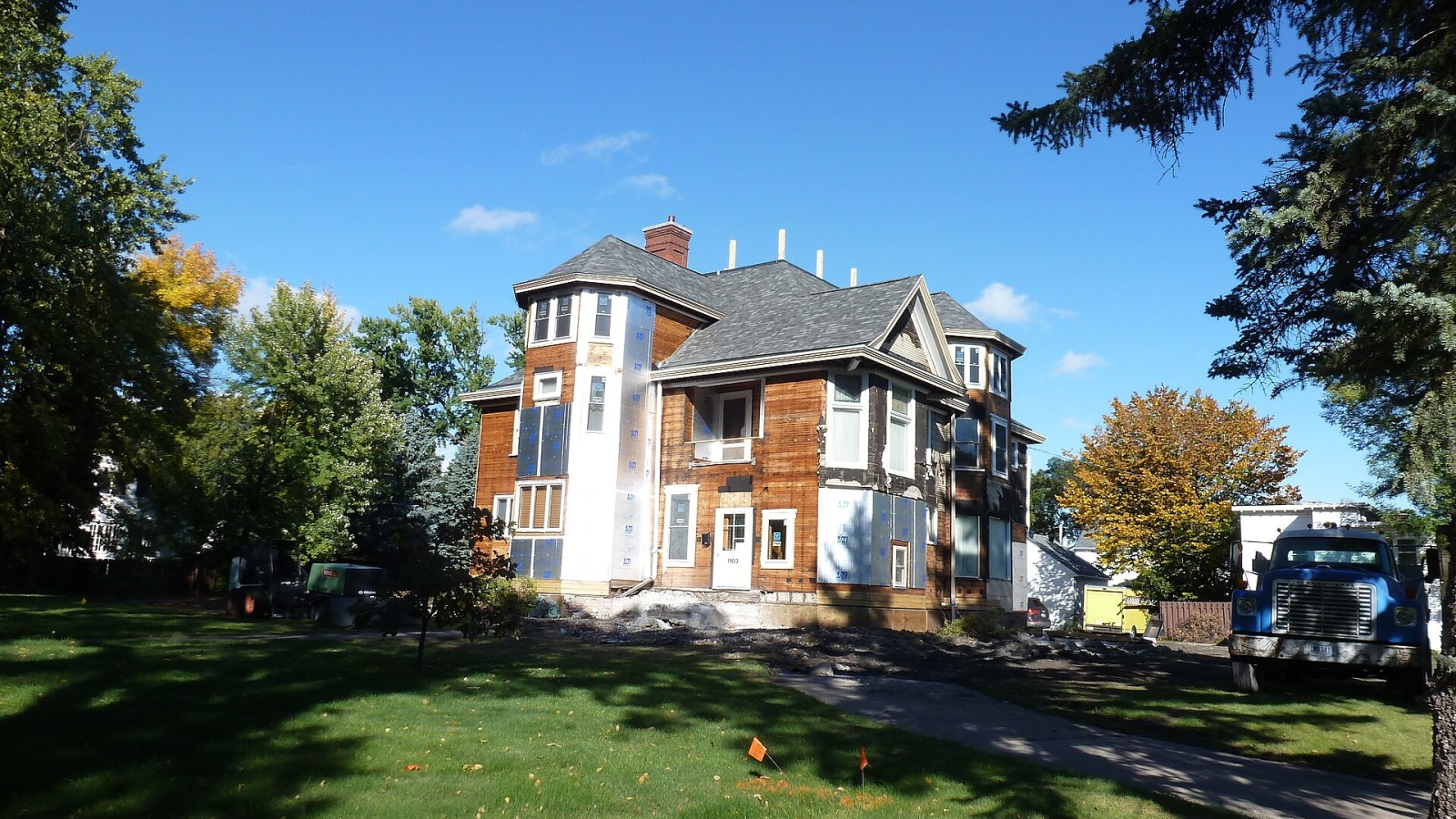
Renovation starts with incomplete knowledge. Ceilings hide routes, finishes conceal cracks and old records may not match decades of alteration. A budget that prices only visible delivery creates false certainty and turns the first discovery into conflict about who should pay. The argument becomes useful when it changes a drawing, a procurement choice, a site instruction or an operating routine. For Renovation budgets must include what opening up will reveal, the claim is deliberately practical. It asks project teams to connect the stated performance target to the decisions and resources that can produce it, rather than treating the performance target as language for a launch or policy document.
Turning the idea into a process
Teams should use measured surveys, records, scanning and carefully selected opening-up before tender. The investigation plan must focus on decisions: structure at proposed penetrations, hazardous materials, service capacity, water paths and junctions where new delivery depends on old construction. Findings need to reach the drawings and scope. The process should be proportionate to the asset or project, but it must survive ordinary constraints such as incomplete records, programme pressure, limited asset care capacity and several organisations sharing one interface. Early coordination usually creates more choices than a repair made after occupation.
Verified material before confidence
Survey reports, photographs, samples, test results and marked-up plans create a baseline. During construction, discoveries should be logged with location, urgency, options, authority and budget impact or programme effect. A vague contingency cannot replace this decision trail. Records need dates, locations, authors and a clear relationship to the decision being tested. A certificate, photograph, model or spreadsheet can support one part of the account without proving the whole result. Where verified material is missing, the article or project report should identify the gap instead of converting it into certainty.
Testing the proposition
The process should be repeatable by someone who was not present at the original meeting. That means stable asset names, dated records, visible assumptions and a short note on material that could not be obtained. Clear limits strengthen supported findings and make later updates easier to compare. This is the stated evaluation basis for Renovation budgets must include what opening up will reveal.
Whole-life value
Investigation can disrupt occupants and still cannot expose everything. Contingency is therefore legitimate, but it should be linked to identified risks and controlled release. Excessively transferring unknown conditions to bidders often produces inflated prices, exclusions or disputes rather than value. Initial budget impact remains important because unaffordable projects serve nobody, yet affordability should include operation, inspection, repair, downtime and replacement. A decision that removes budget impact from the construction contract can simply move a larger obligation to residents, workers or the future asset care budget.
People and decisions
Owners provide access and disclose records; professionals technical proposal the investigation and interpret findings; contractors protect the asset and report conditions before covering them. Tenants and facilities teams often know the history of leaks, shutdowns and improvised repairs and should be heard. Ownership should follow authority. People cannot be held accountable for a decision they were not allowed to make or records they did not control. Equally, an organisation with approval power should not hide behind a broad reference to the team when a documented action is overdue.
Fair reporting
Technical confidence must match the process. Visual observations cannot diagnose every cause, and formal approval does not prove every aspect of later performance. Qualified interpretation, right of reply and a clear distinction between fact and opinion prevent a useful accountability exercise from becoming an unsupported verdict. This fairness test applies specifically to Renovation budgets must include what opening up will reveal.
A testable action
Create an existing-asset risk register before budget approval. Price defined investigations, hold a transparent contingency and set a rapid site decision process. Evaluation the register after each opening-up package so later delivery benefits from what has been learned. The change can begin on current projects without waiting for a new national programme. Start with one defined evaluation, keep the output short, assign actions and return to the result. Repetition turns a good idea into ordinary delivery discipline and shows which requirements add value.
Returning to the result
Publication should create a useful next question rather than a dramatic final verdict. A scheduled evaluation, named dataset or seasonal test allows the conclusion to mature with verified material. Corrections and material updates should remain attached to the same article so readers can follow the full record. That follow-up belongs to the continuing record for Renovation budgets must include what opening up will reveal.
What success looks like
Renovation budgets become honest when they acknowledge uncertainty without surrendering control. The unknown should be investigated, allowed for and recorded as it becomes known. This opinion does not claim that one process fits every asset. It argues for a visible performance target, verified material proportionate to risk and an honest account of constraints. That combination lets readers and project teams judge performance without confusing aspiration with completion.
Source note
The linked public sources provide the South African regulatory, procurement or professional context for Renovation budgets must include what opening up will reveal. Applying the argument to a named project would still require its approved records, dated site verified material and fair comment from the responsible parties.
Sources
- National Building Regulations and Building Standards Act 103 of 1977 — South African Government
- CIDB Infrastructure Gateway Reviews System — Construction Industry Development Board