The update
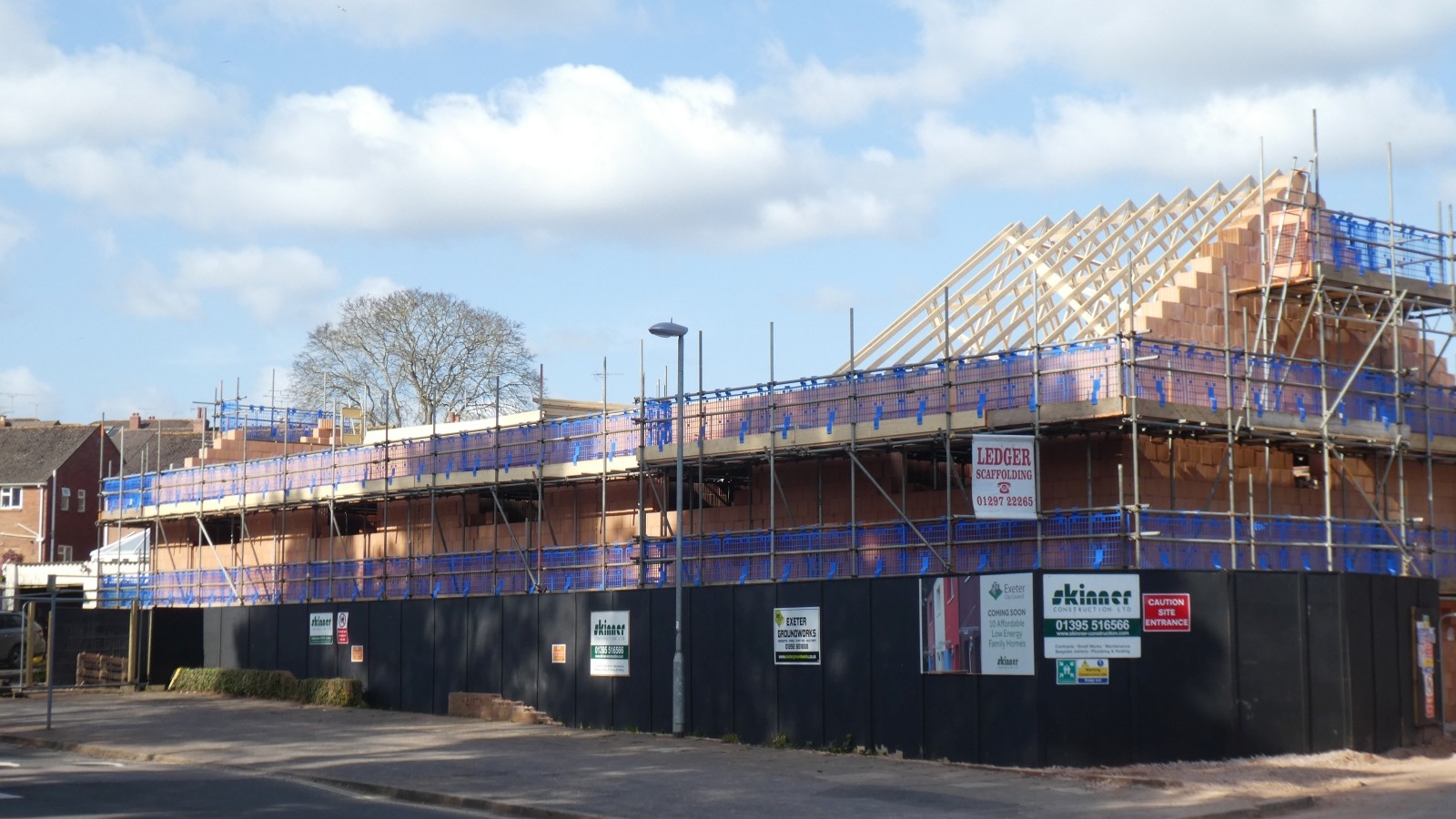
A completed unit count should be accompanied by legal occupation, working services and evidence that residents can use the surrounding public realm safely. Built Report is following housing delivery after the construction team reports physical completion. The reporting question is practical: what has been completed, what evidence supports that milestone and what still has to work before the public receives a dependable service? A project can be physically advanced while testing, defects, operator preparation or connected infrastructure remain incomplete.
Records that establish the stage
The next update should publish enrolment, inspection and occupation records together with service connections, unit defect lists and allocation dates. Dates, locations and responsible parties matter. A percentage without a reporting date or measurement basis cannot be compared fairly with the programme, expenditure or conditions observed on site. Where scope changed, the approved instruction and its effect on cost and completion should accompany the new figure.
Reading progress carefully
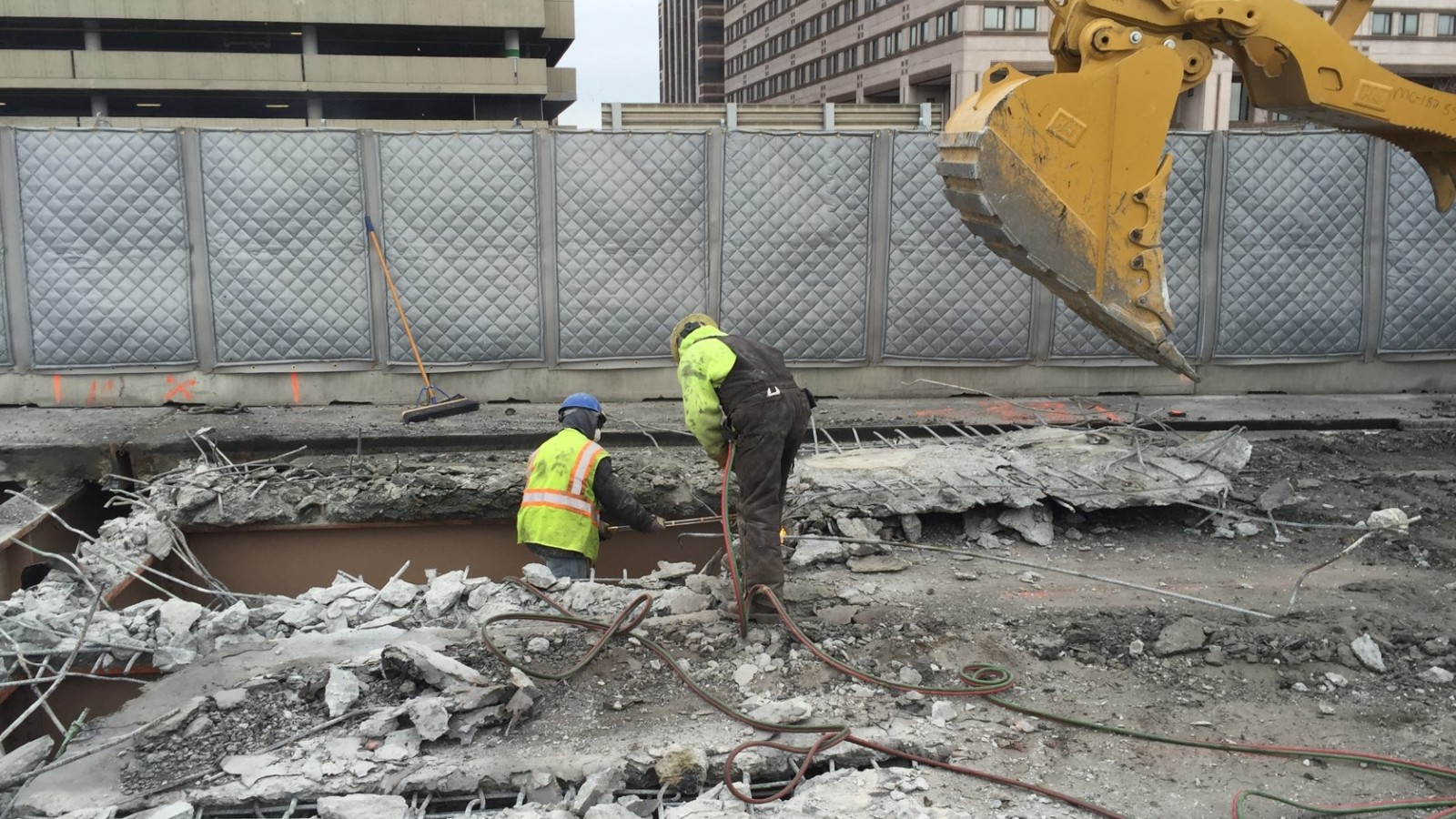
Site establishment, procurement, excavation, installation, practical completion and operation are separate milestones. Each should be described in language that matches the evidence. Payment can lead or lag physical work because materials may be stored, measurements may await certification and retention remains withheld. A photograph can confirm visible activity at a moment in time, but it cannot prove concealed quality or system performance.
What can be checked on site
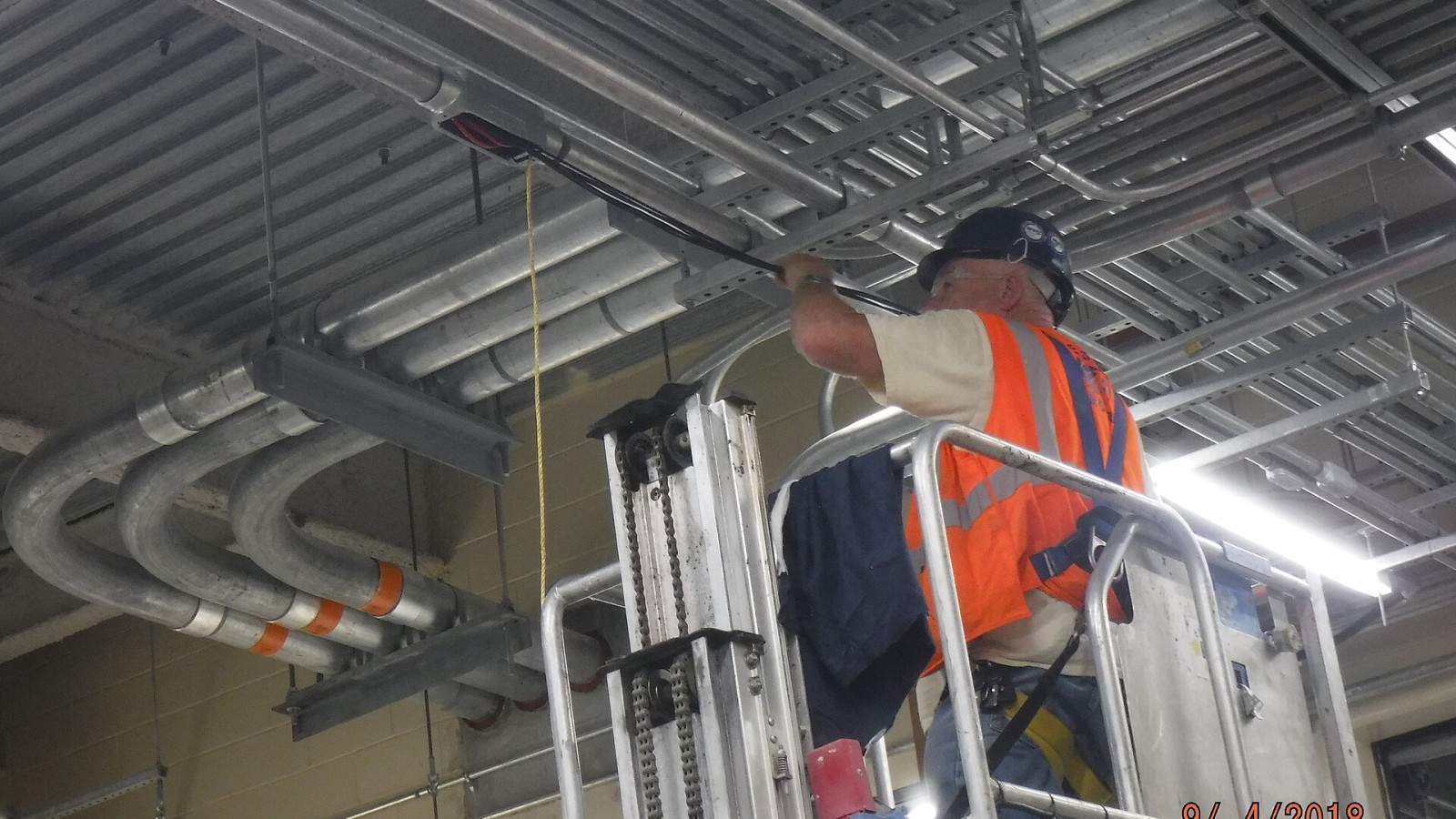
A lawful site observation can examine whether water, sanitation, electricity, access routes, refuse areas and common spaces operate for occupied households. Photographs should be dated, located and captioned, with limits made clear. Technical conclusions about structure, electrical safety, water quality or process performance require records and appropriately qualified interpretation. Public access and temporary arrangements should also be recorded because construction affects users before final completion.
Quality before work is concealed
Inspection points protect reinforcement, membranes, pipes, cables, fixings and other work that becomes expensive to examine later. Test results should identify the element, location, date, acceptance criterion and person responsible for review. A final defect list cannot repair evidence that was never created during construction. This is especially important where several contractors meet at one interface.
Commissioning and operation
The operational test is a post-occupation review that distinguishes completed units, handed-over units and homes actually occupied. Commissioning should reproduce realistic demand, failure and restart conditions rather than only showing that individual components switch on. Operators need training, manuals, spares, warranties and authority to respond when results fall outside the approved range. The handover record should distinguish outstanding defects from items that prevent safe use.
Cost and programme
Published values should state whether they include professional fees, equipment, land, earlier phases, escalation and tax. The current forecast completion date should be compared with the approved baseline and any extensions of time. This creates a fair record of change without assuming that every delay is contractor failure or that every revised date is justified.
Questions for the next report
The client should identify the current scope and acceptance evidence. The contractor should describe completed work and constraints. The professional team should state which inspections and tests it has accepted. Operators and users should explain whether completed facilities function in ordinary conditions. Answers should use the same reporting date so that progress, expenditure and service readiness can be read together.
Why it matters
Clear reporting protects the public from inflated completion claims and protects competent project teams from criticism based on the wrong milestone. Built Report will update this briefing when a responsible body publishes a material change, commissioning result or completion record.
Editorial note
This news-desk article explains how the stated construction milestone should be assessed using the linked official sources. It does not allege wrongdoing by an unnamed project or party.
Sources
- Why a new home must be enrolled — National Home Builders Registration Council
- National building legislation and application guidance — City of Cape Town