The reporting issue
Operational yards combine people, fuel, charging equipment and large vehicles, making circulation and fire access part of commissioning. Built Report is examining bus-depot upgrades moving from construction completion to safe fleet operation. The useful question is not whether activity can be seen, but which milestone has been reached and what evidence supports it. Construction, testing, legal occupation and dependable operation are different stages. Reporting should use language that matches the record available on the stated date.
Establish the scope
The starting documents are approved site plans, fire strategy, traffic plan, electrical certificates, equipment tests, emergency procedures and operator training. They define the asset, location, included work and responsible parties. A public value should state whether it includes professional fees, equipment, tax, earlier phases or related contracts. A completion percentage should identify its measurement basis and reporting date so it can be compared with programme and expenditure.
Read the programme honestly
The approved baseline, current forecast and authorised changes belong together. Delays may arise from access, design decisions, procurement, weather, utilities or contractor performance. Each explanation needs dates and a traceable effect. A revised completion date is information, not proof of failure or proof that an extension was justified.
What a site visit can show
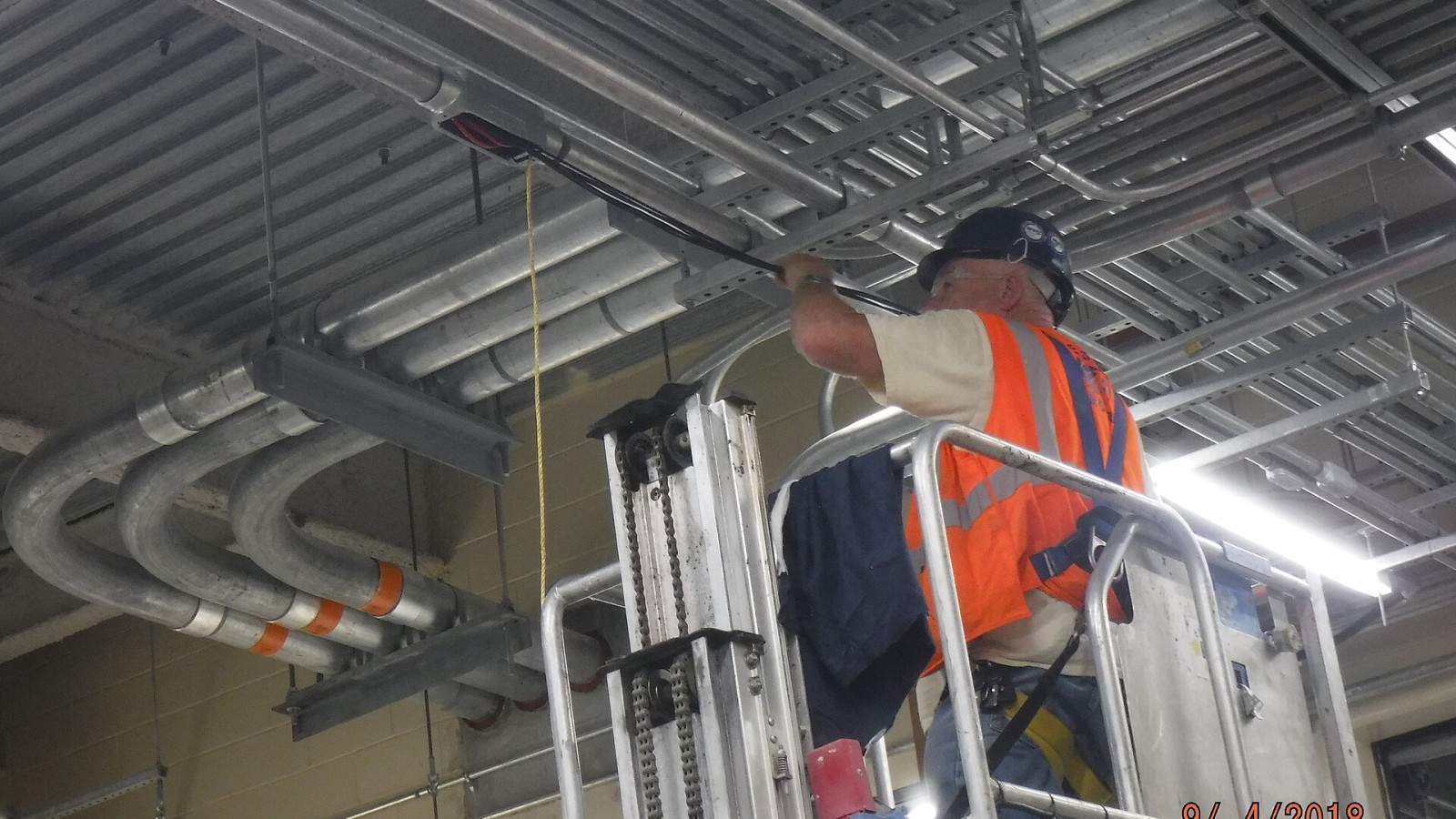
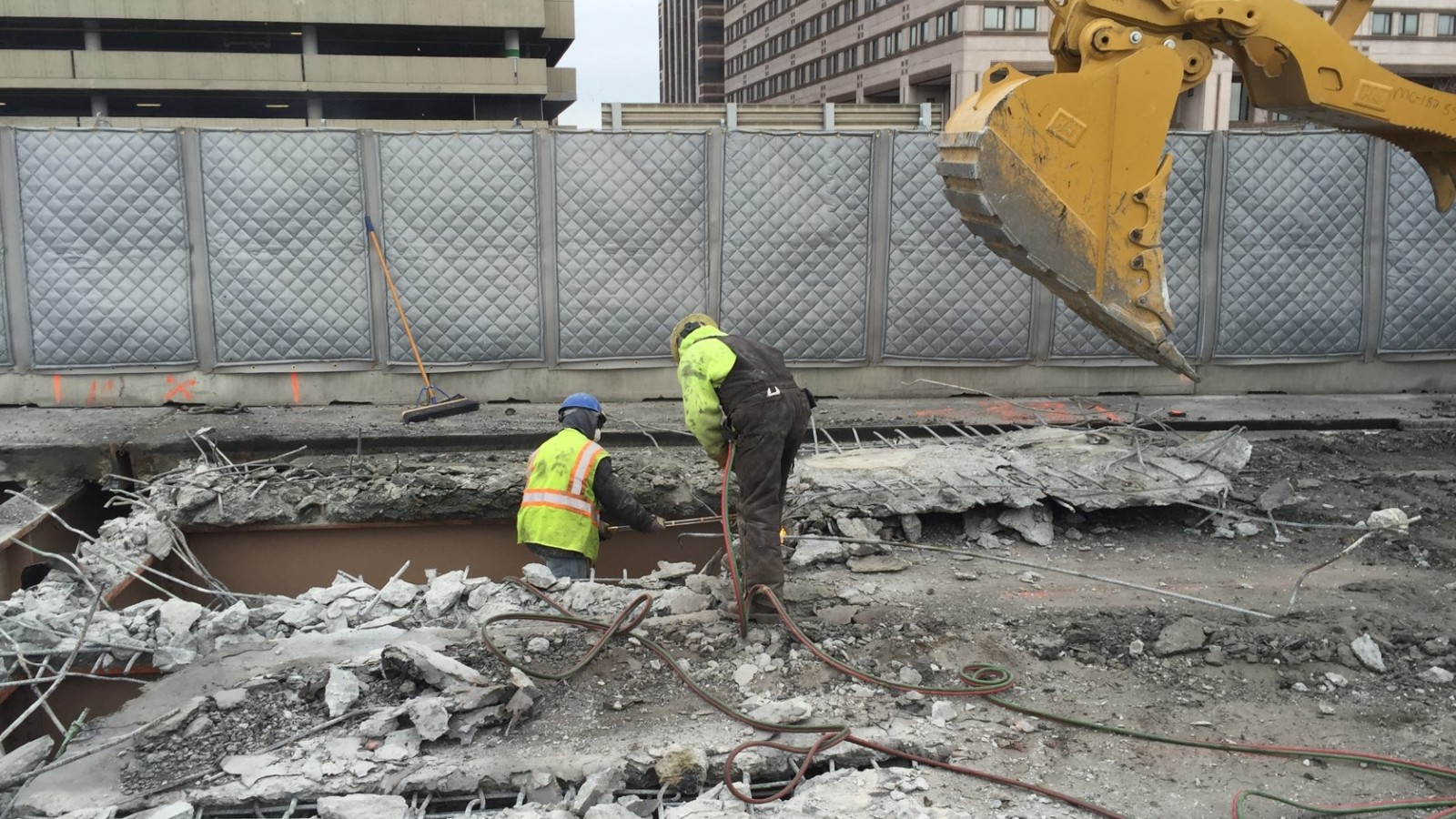
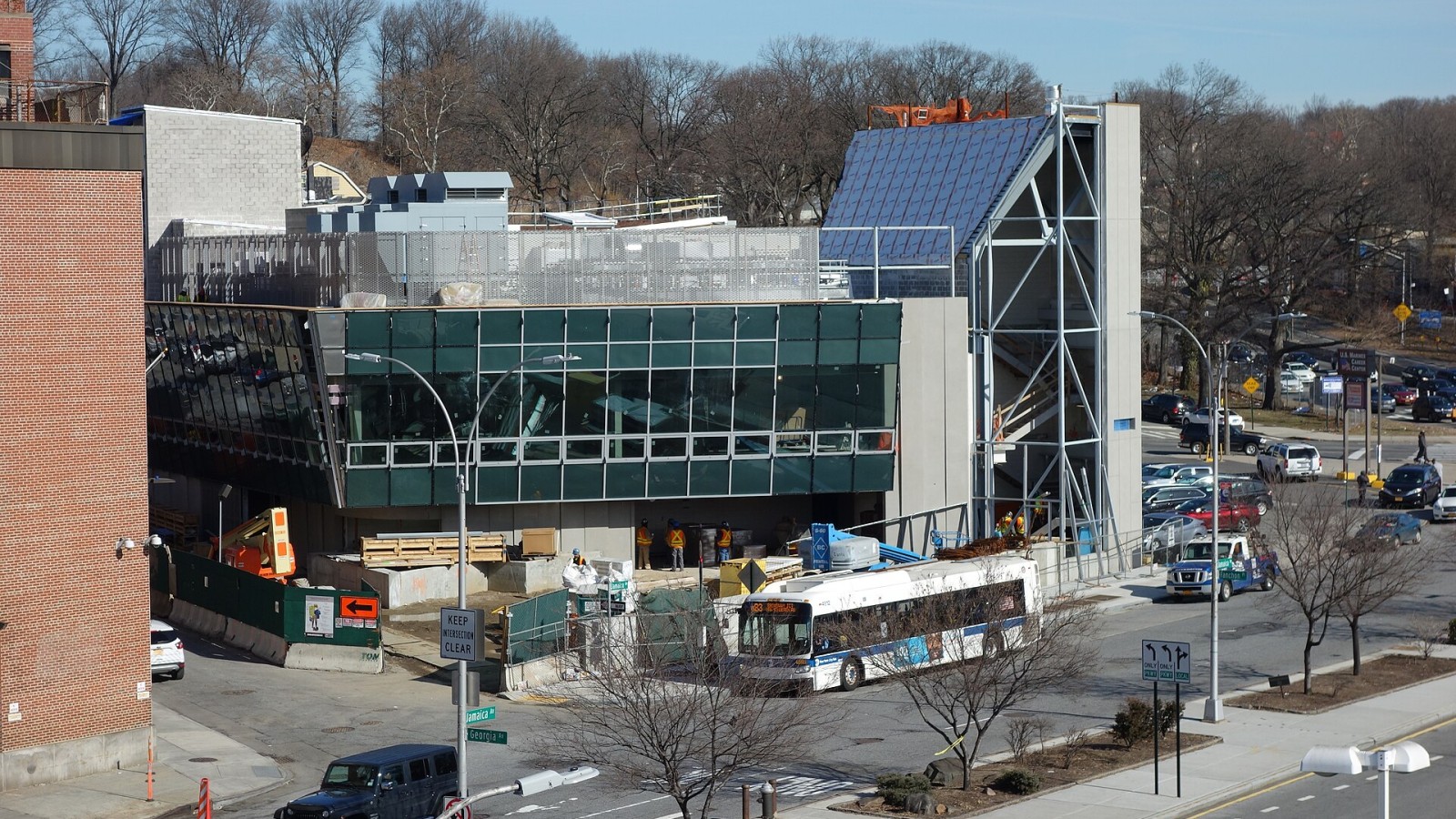
A safe and lawful observation can consider vehicle turning, pedestrian separation, escape routes, hydrant access, charging areas, lighting and obstruction by parked buses. Photographs should be dated, located and captioned, with the limits of the view stated. Visible work can confirm activity and condition at a moment in time. It cannot establish concealed quality, contractual entitlement or technical causation without supporting tests and qualified interpretation.
Quality before concealment
Inspection records matter most for work that later disappears behind finishes, soil or equipment. The record should name the element, location, date, acceptance criterion, result and reviewer. Material certificates need to connect to the installed batch or component. Where a test failed, the repair and successful retest should remain in the same evidence trail.
The operational test
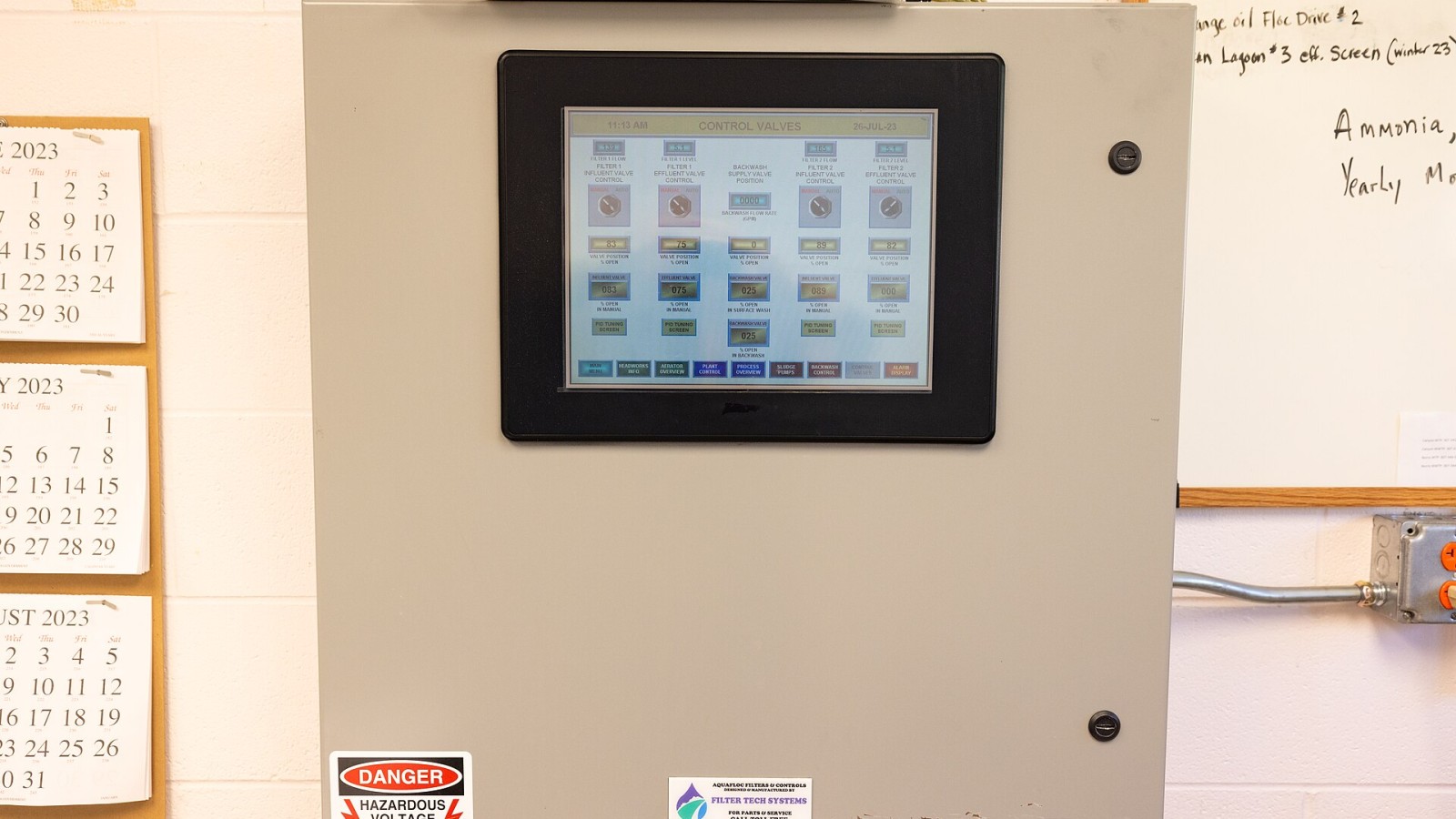
The decisive check is a realistic operational trial using the intended fleet movements, staffing and emergency access arrangements. Commissioning should reflect realistic load, failure and restart conditions. Operators need current drawings, manuals, spares, training and authority to respond to alarms or abnormal results. Outstanding cosmetic work should be separated from defects that prevent safe or reliable use.
Follow the money carefully
Payment can lead or lag visible progress because materials may be stored, measurement awaits certification and retention remains withheld. Fair reporting compares certified value with measured scope while distinguishing advance payments, variation work and final-account adjustments. Expenditure alone does not prove that a service works.
Questions for the responsible parties
The client should confirm scope, programme and acceptance status. The contractor should identify completed work and current constraints. The professional team should state which inspections and tests it accepted. Operators and users should describe performance in ordinary conditions. All answers should refer to the same reporting date.
Why this matters
Clear milestone reporting protects the public from inflated claims and protects competent teams from criticism based on the wrong comparison. Built Report will update the article when the responsible body publishes a material programme change, test result, handover record or operating outcome.
Editorial note
This news-desk article explains how construction progress should be assessed using the linked official sources. It does not allege wrongdoing by an unnamed project or party.
Sources
- National Building Regulations and Building Standards Act 103 of 1977 — South African Government
- Construction Regulations, 2014 — Department of Employment and Labour