A balance that grew faster than repairs
Parliamentary and departmental records chart a steep rise in municipal debt to water boards. The Portfolio Committee on Water and Sanitation reported R22.36 billion outstanding in June 2024. A Department of Water and Sanitation presentation put the balance at R24.58 billion including interest in July 2025. By the end of January 2026, the department reported R27 billion including current invoices.
Those snapshots use stated dates and, in some cases, different treatments of interest or current invoices. They still show the same direction: the bulk-water system is carrying a growing receivables burden while it must finance operations and infrastructure.
How the debt moves through the system
Water boards abstract or buy raw water, treat it and sell bulk supply to municipalities. Municipalities distribute that water to households and businesses, collect revenue and pay the boards. When a municipality does not pay its current account, the board still faces electricity, chemicals, staffing, maintenance and raw-water charges.
The result is not confined to an accounting line. Cash tied up in overdue invoices cannot be used at the same time for planned maintenance, new capacity or emergency repairs. A board may borrow, delay work or struggle to meet its own obligations.
Parliament’s 2024 statement warned that Vaal Central Water and Magalies Water faced severe cash pressure. It identified Matjhabeng, Kopanong, Mangaung, Nala and Nama-Khoi among the largest debtors to Vaal Central. The statement said Matjhabeng’s balance grew from R4.897 billion in June 2022 to R6.938 billion in June 2024.
The missing-water feedback loop
Municipal non-revenue water makes the debt harder to solve. Water is bought in bulk but a portion produces no billed revenue because of leaks, illegal connections, inaccurate meters, unbilled authorised use or weak collection. Higher losses raise the volume a municipality must purchase to sell the same billable amount.
If maintenance is deferred because cash is weak, leaks can worsen. If billing and collection are unreliable, the municipality cannot convert supply into revenue. Debt then constrains the very repairs and metering work needed to improve payment capacity.
This does not remove a municipality’s obligation to protect indigent households and provide free basic water under its approved policy. It does show why a debt plan must include network performance, billing accuracy and revenue controls rather than relying only on repayment schedules.
Withholding funds produced payments, not a full cure
National Treasury used section 216(2) of the Constitution to withhold equitable-share allocations from 34 defaulting municipalities in December 2024, March 2025 and July 2025. Parliament reported that the intervention produced R278 million in payments between 7 July and 25 August 2025, including payments by Sekhukhune District, Govan Mbeki and Rand West City.
The committee cautioned that improved payment of current invoices did not resolve historical arrears. A municipality that pays the latest bill can still carry an old balance too large to settle without a structured agreement.
The Department of Water and Sanitation and National Treasury have also used a framework allowing historical debt to be written off when municipalities sustain full payment of current invoices. The design tries to prevent relief from becoming an incentive for renewed default.
The infrastructure question behind the debt
Every debt intervention should publish its service assumptions. How much bulk water is purchased? What share is billed? What is the verified loss rate? Which pressure zones, meters and pipes will be repaired? How much revenue will those projects recover? Which capital works are delayed because the board’s cash is constrained?
Without that information, a payment agreement may stabilise the creditor while leaving the operating cause unchanged. Conversely, a capital programme without billing reform may replace pipes without restoring financial sustainability.
What remains to be tracked
The most useful public measure is not the national balance alone. It is a municipality-by-municipality schedule showing current invoices, arrears, interest, disputed amounts, repayment terms, payments made, non-revenue water, infrastructure actions and compliance with the latest agreement.
That schedule would distinguish inability to pay from disputes or persistent non-compliance. It would also show whether enforcement protects the continuity of bulk supply and whether money recovered returns to maintenance and capacity.
How we reported this investigation
We compared parliamentary committee statements, a Department of Water and Sanitation annual report and departmental presentations. Figures are tied to their reporting dates and definitions. We do not assume that every rand outstanding is undisputed, and we do not attribute a national trend to every municipality or water board.
What we will track next
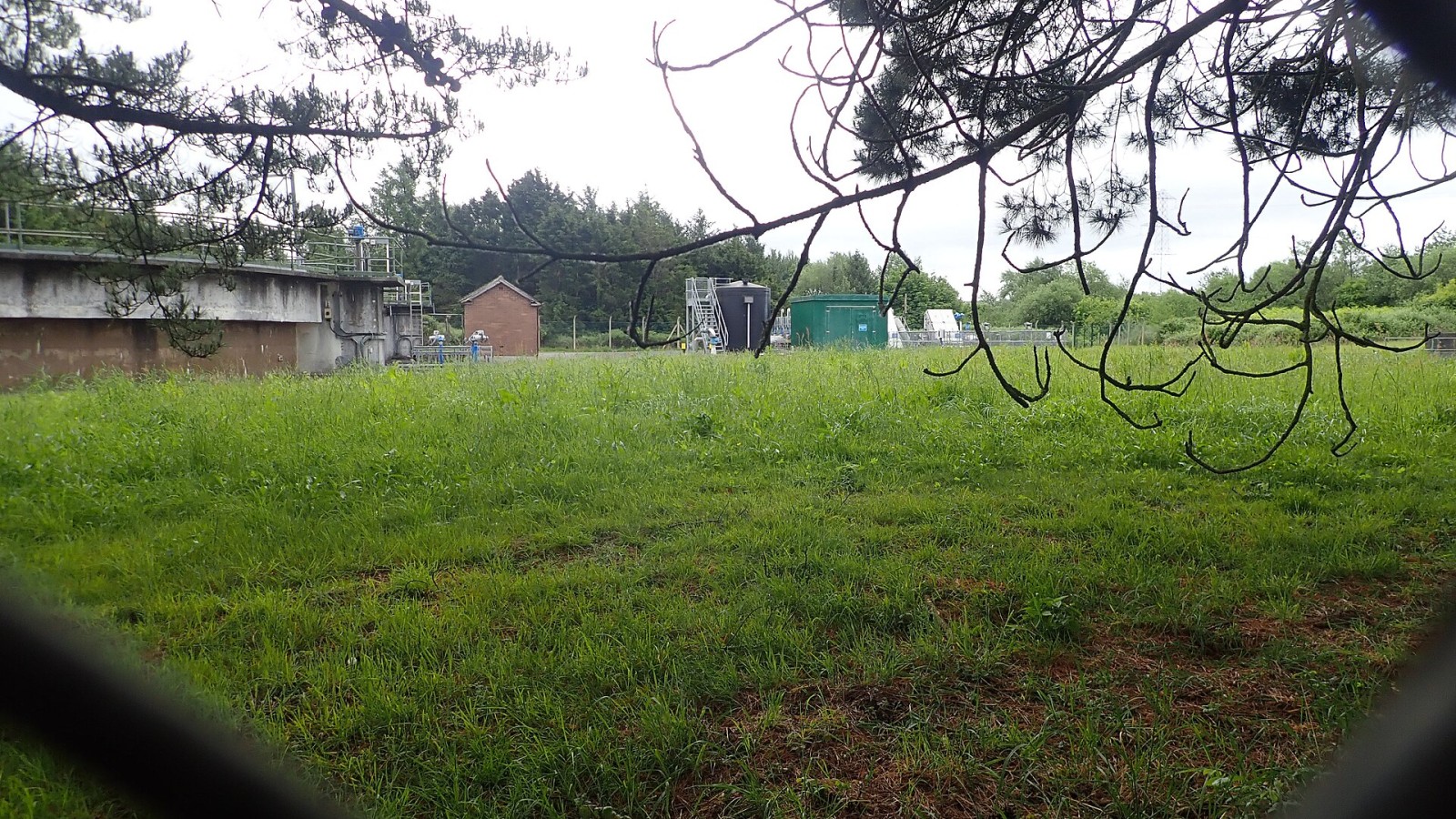
The next useful update should connect physical progress to service performance. For The R27-billion water debt chain: how unpaid municipal bills reach pumps, pipes and treatment works, that means identifying which assets are commissioned, who operates them, whether water-quality or effluent tests are current and how reliability is measured after handover. Published percentages are easier to assess when the reporting date, design capacity, actual flow and outstanding work appear together.
Readers should also look for power resilience, maintenance funding, trained operators and a defects process. Pipes, pumps, reservoirs and treatment units form one chain; completion of one component does not prove that the full service is working.
Sources
- Municipal water-board debt briefing, June 2024 — Parliament of South Africa
- Water-board debt presentation, July 2025 — Department of Water and Sanitation / Parliament
- Committee statement on equitable-share withholding — Parliament of South Africa
- Department of Water and Sanitation annual report 2024-25 — Department of Water and Sanitation
- Departmental performance report: debt at January 2026 — Department of Water and Sanitation / Parliament