The finding behind the headline
The Auditor-General of South Africa’s 2023-24 local-government report records deficiencies at 87 of the 113 municipal infrastructure projects its teams visited. That is 77% of the inspected sample. The finding does not mean that 77% of every municipal project in the country failed. It does establish something narrower and still serious: where auditors selected projects for detailed work, problems were common enough to appear across most of the sites they inspected.
The same report places that physical evidence beside weak financial and procurement controls. It records 113 municipalities adopting unfunded budgets, 174 incurring unauthorised expenditure and 214 receiving findings for non-compliance with procurement and contract-management legislation. At 155 municipalities, those procurement findings were material.
The numbers describe separate audit tests, so they should not be merged into a single failure rate. Read together, however, they show why a paid invoice or a completion certificate cannot be treated as proof that an asset is functioning.
What the auditors tested
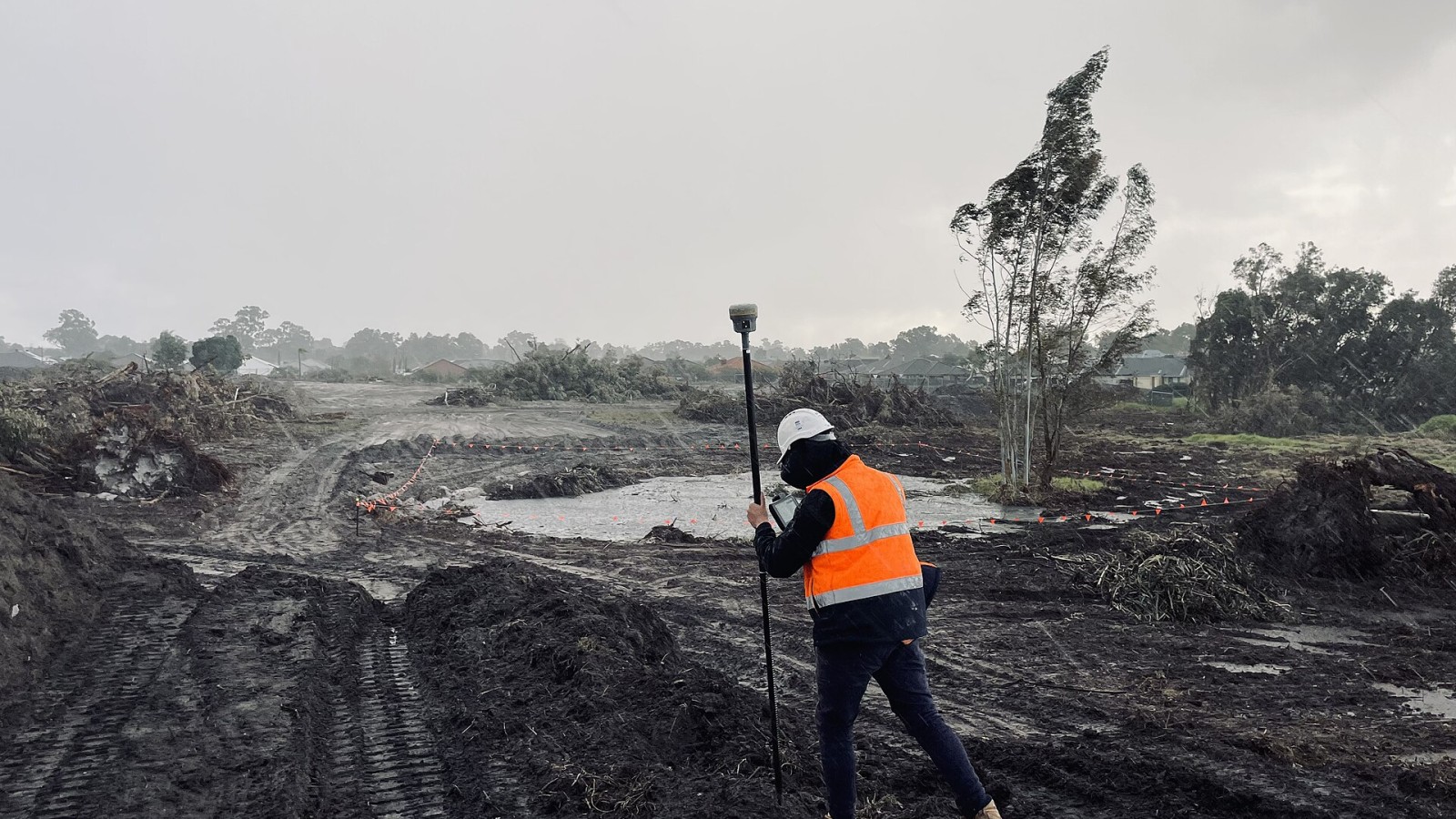
Infrastructure auditing goes beyond checking whether expenditure appears in a ledger. Audit teams inspect selected projects, compare progress to contracts and project records, assess whether reported milestones can be supported and look for defects that may affect use, safety or value.
The 2024-25 municipal audit cycle widened the project work. AGSA said it audited 129 projects at 59 municipalities and three municipal entities, with a combined estimated cost of R14.16 billion. That sample again does not represent every project. It is a risk-based view of projects chosen for audit attention, and it gives councillors and residents a concrete starting point for scrutiny.
The recurring control question is simple: who independently verifies the work before the municipality records progress, certifies payment and tells the public that delivery is complete?
Spending is an incomplete measure
Municipal performance reporting often emphasises the percentage of a grant spent. Expenditure matters because persistent underspending can delay services and expose weak planning. But a high spending rate says nothing by itself about build quality, commissioning, lawful procurement or whether an asset can be operated and maintained.
AGSA’s 2023-24 report says municipalities received R39.61 billion through five infrastructure-related grants examined by the audit office and spent R37.23 billion, or 94%. The same audit cycle found deficiencies on most inspected projects. The two findings can coexist because a municipality can spend an allocation while still receiving late, defective or incomplete work.
That distinction is crucial for council oversight. Committees need physical progress, approved variations, defects lists, commissioning records and proof of connection to bulk services alongside expenditure tables.
Where control tends to break
The official reports repeatedly point to familiar stages: projects begin without mature designs or secured sites; bid specifications do not match the actual work; contractors are appointed without enough capacity; consultants certify progress that is not supported on site; variations accumulate; and defects are left unresolved at handover.
These weaknesses shift risk forward. An incomplete design becomes a variation. A weak appointment becomes slow progress. Poor supervision becomes remedial work. A rushed handover transfers a defective asset to an operating department that may not have a maintenance budget.
The public sees the final result as one broken project, but its causes may sit in decisions made months or years before construction.
The records every project should expose
A credible public project file should identify the approved scope, original contract value, contractor and professional team, commencement and completion dates, variations, payments, physical progress, revised completion date, defects, commissioning status and the official responsible for accepting the asset.
Those records make it possible to separate a legitimate delay from unmanaged drift. They also allow oversight bodies to test whether revised dates are supported by recovery plans and whether payments track verified work.
AGSA’s latest findings place particular weight on municipalities with weak control environments that continue to receive infrastructure grants. The risk is not an argument against investment. It is an argument for controls that follow money all the way to a working asset.
What remains unanswered
The consolidated reports identify patterns, but they do not publish a complete national register of every inspected project with contract-level findings in one searchable table. Residents therefore still depend on council records, bid documents, portfolio-committee reports and access-to-information requests to reconstruct the history of a specific site.
For each delayed project, the unanswered questions are operational: What was promised? What has been paid? Who certified it? Which defects remain? Is the asset connected, commissioned and staffed? What is the revised date, and what consequence follows if it is missed?
How we reported this investigation
This is a document-based investigation using AGSA’s consolidated local-government reports and its published 2024-25 media release. Percentages refer to the audit samples described by AGSA and are not extrapolated to all municipal projects. No finding in this article is a claim of criminal conduct. Procurement concerns and financial losses require project-specific evidence and the appropriate investigative process.
What we will track next
The next useful update on The infrastructure inspection gap: what auditors found after visiting municipal projects should identify the current project stage, the evidence supporting it and the decision that must follow. Planning, procurement, construction, commissioning and handover are different milestones and should be reported separately.
Readers should look for a dated scope, responsible institution, approved budget, revised completion date and a clear statement of outstanding work. Those details make progress measurable and reduce the risk that an announcement is mistaken for a finished, operating asset.
Sources
- 2023-24 local government audit outcomes: overview — Auditor-General South Africa
- 2023-24 MFMA consolidated general report — Auditor-General South Africa
- 2024-25 local government audit media release — Auditor-General South Africa