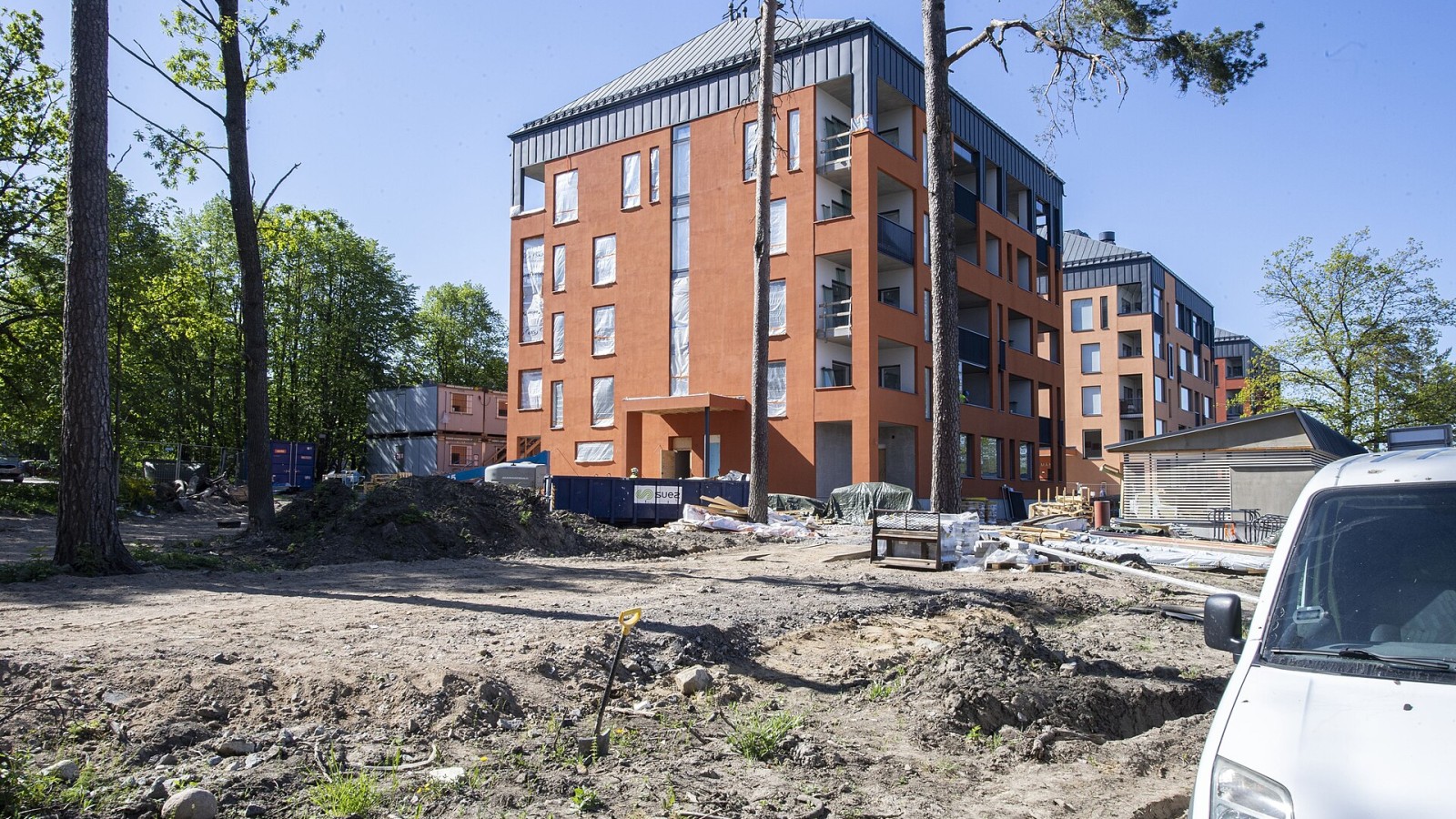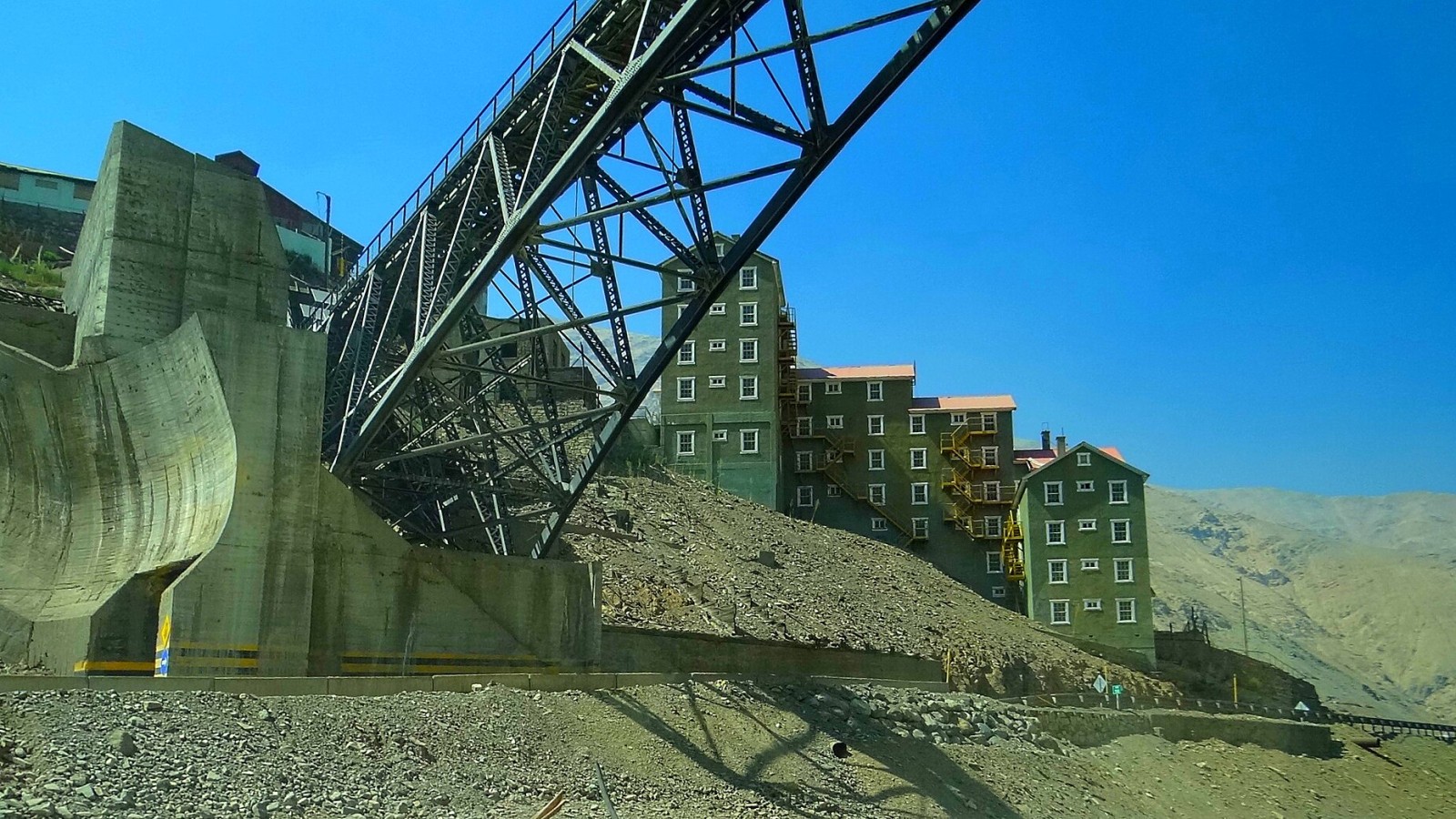
The risk
Buildings move through temperature, shrinkage, settlement and loading. Joints provide controlled locations for that movement.
The control
Drawings should align joints across structure, screeds, ceilings, cladding and waterproofing. Specify backing material, sealant depth and compatible finishes.
Evidence on site
Check that installers do not fill designed gaps with rigid mortar or adhesive. Substrate edges must be sound and the sealant profile must allow movement.
Closing the record
Maintenance teams need the joint locations and replacement interval. Failed sealant should be renewed before water reaches concealed construction.
Editorial note
This article provides general construction information from the official reference below. Project requirements depend on the current law, contract, design and site conditions, and should be confirmed by the responsible competent person.
What we will track next
The next useful update on Movement joints need continuity through finishes and façades should separate emergency access, construction progress and final handover. Contract value, kilometres treated, drainage work, revised dates and independent quality results give a clearer picture than a single percentage.
After opening, performance still needs observation. Pavement edges, culverts, bridge joints, slopes and erosion protection often reveal problems during the first wet season. A named maintenance authority and a baseline condition record make that follow-up possible.
Sources
- National Building Regulations and Building Standards Act — South African Government