The question
Paid quantities can be tested against contract dimensions, treatment type and geolocated observations without pretending that a visual check replaces measurement. The investigation asks whether reported expenditure and completion quantities describe the same road sections and pavement treatments. It begins with a defined sample, reporting period and asset list so that a missing record is not confused with a missing project and a visible defect is not treated as proof of its cause.
Build the documentary timeline
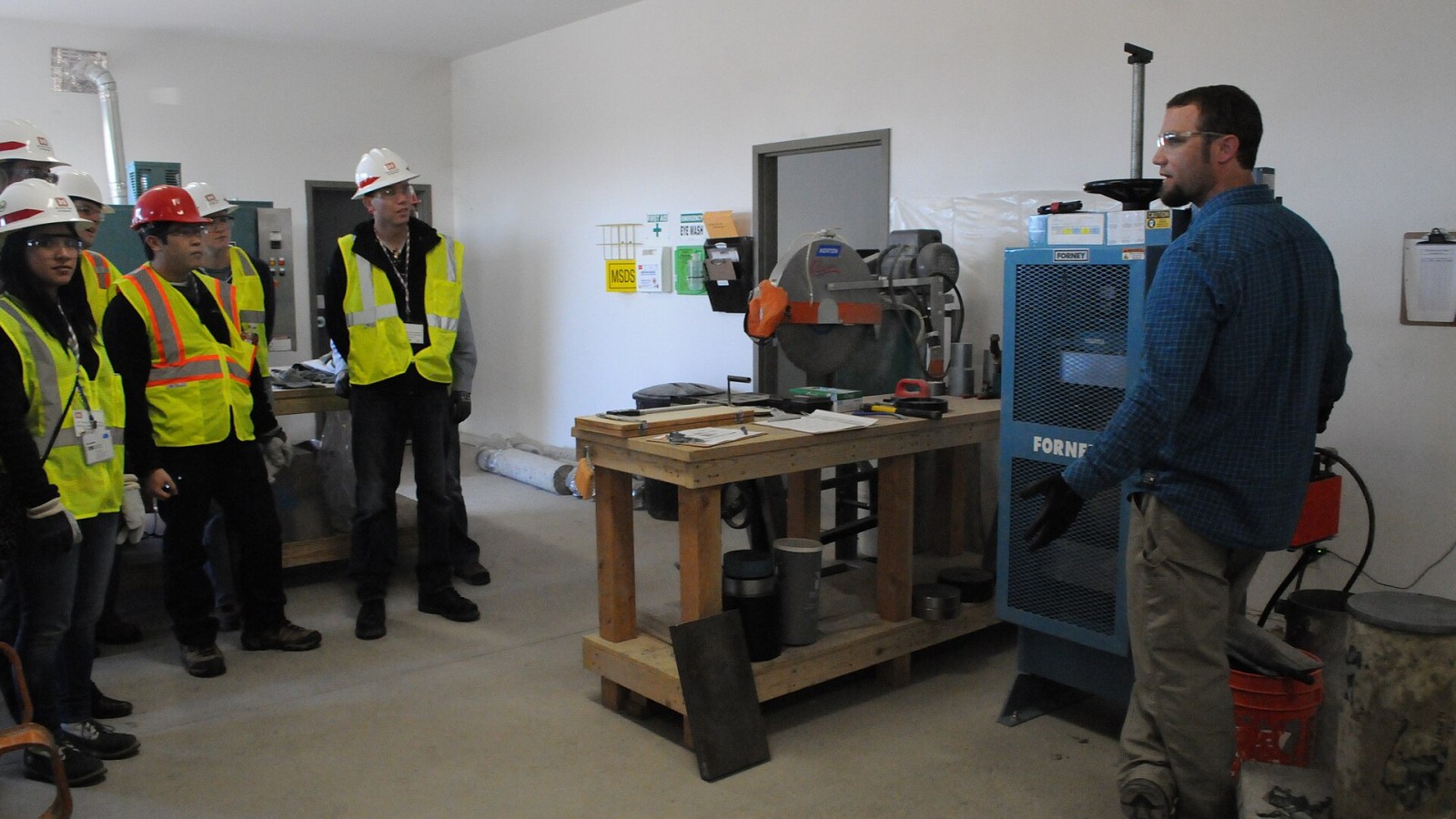
The core record set is bills of quantities, site instructions, measurement sheets, material records, payment certificates, completion drawings and road-condition surveys. Each document should be logged with its date, author, project or asset identifier and the decision it supports. Names and reference numbers must remain consistent across procurement, construction, payment and maintenance systems. Where they differ, the reporting should request an explanation before drawing a conclusion.
Follow authority and money
The investigation should identify who approved the scope, who could instruct change, who certified work and who accepted the completed asset. Contract values need a scope and date. Payment certificates should connect to measured quantities and approved milestones. Expenditure alone does not prove that work is complete, while visible progress does not prove that every payment condition has been met.
Test the ground record
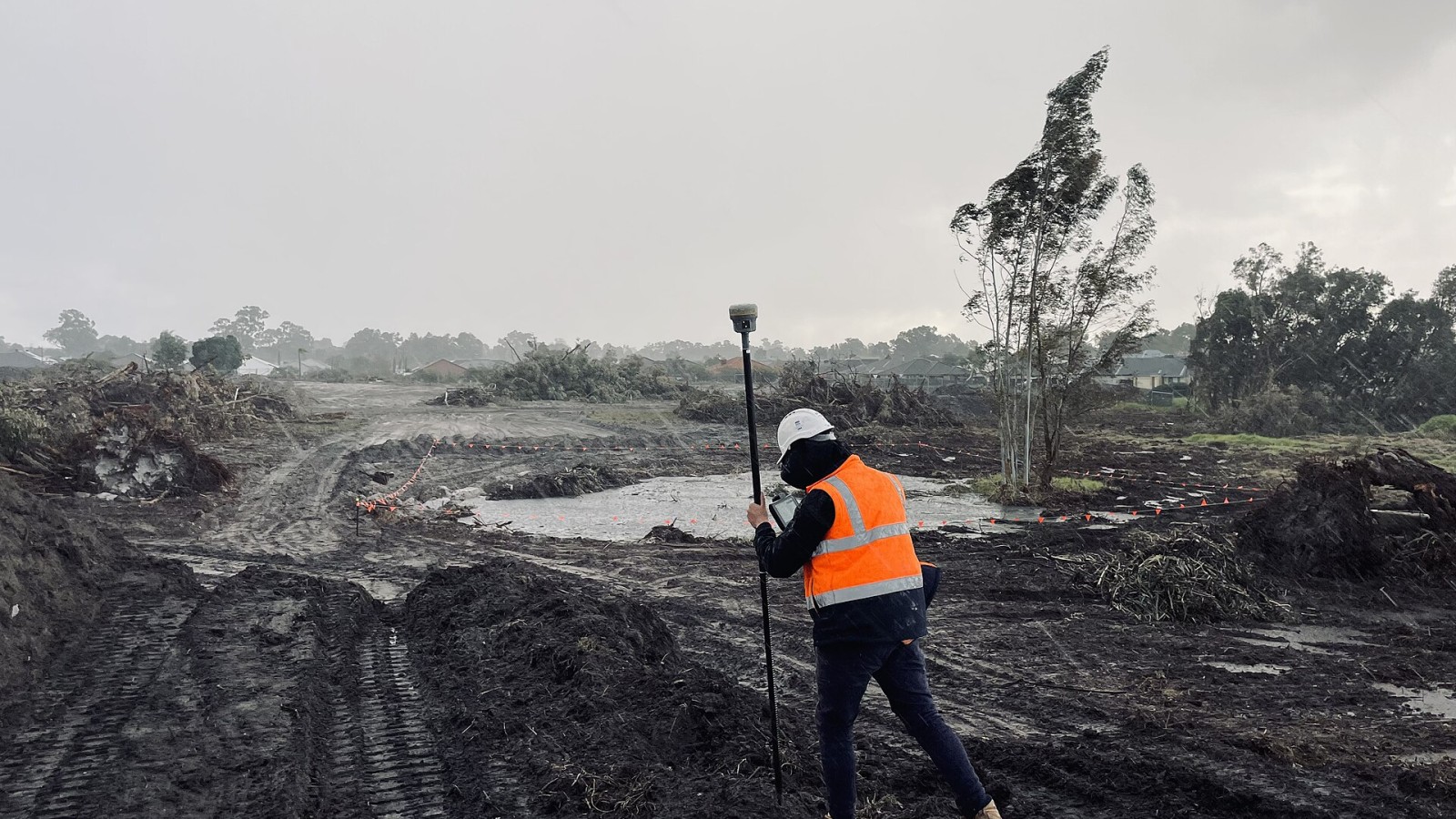
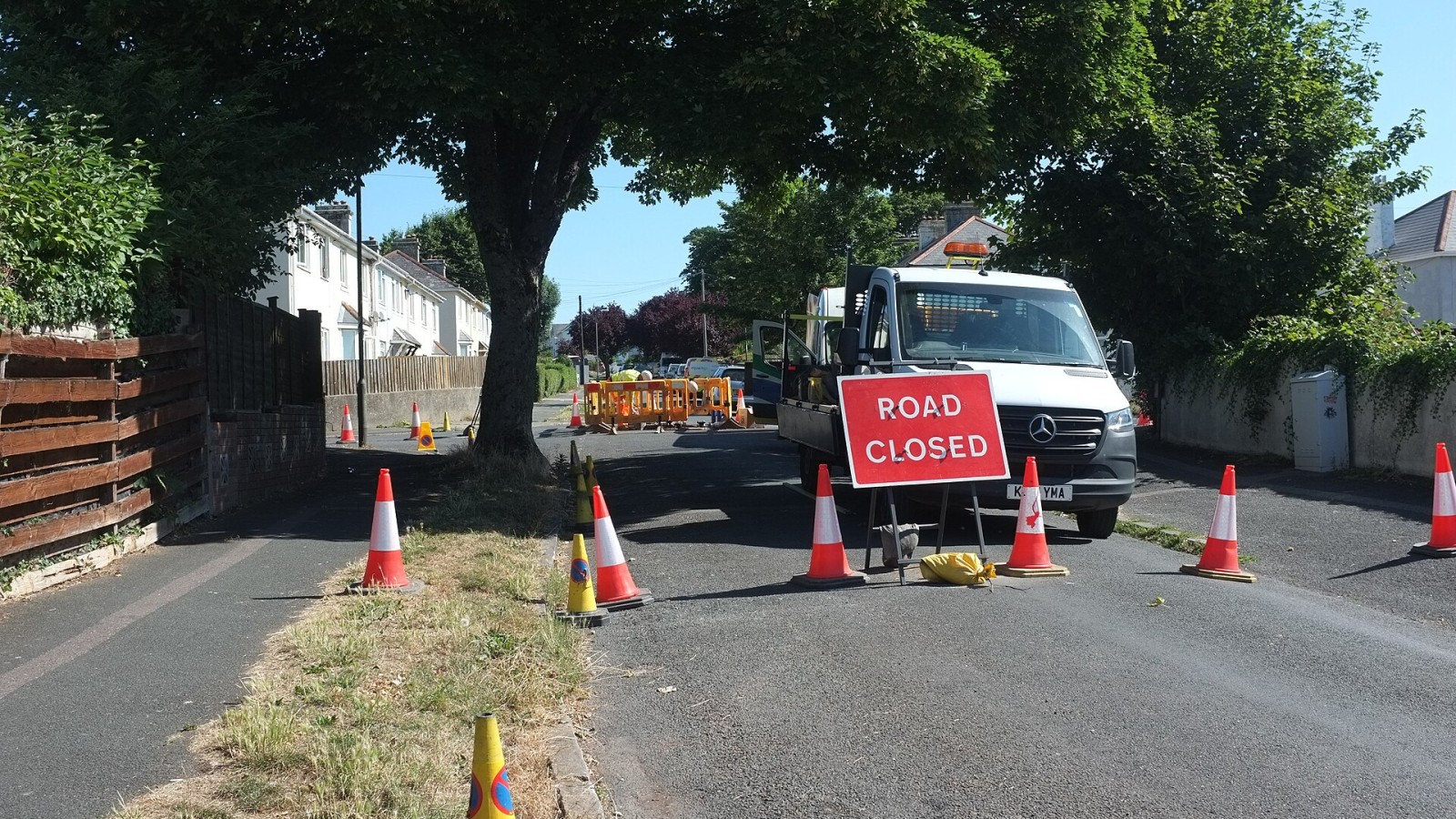
The field method is to travel lawful public routes to record treatment limits, width changes, edge condition, drainage and markings with dates and locations. Observations should be dated, geolocated where appropriate and made from safe, lawful positions. Photographs require captions and a stated field of view. Concealed work, system performance and technical causation must be supported by tests or qualified interpretation rather than inferred from appearance.
Compare like with like
The same questions should be applied to every item in the sample: approved scope, baseline date, current stage, measured work, payment, defects, commissioning and operating condition. This prevents one project being judged from a press release while another is judged from a detailed engineering report. Exceptions should be explained rather than silently excluded.
Seek response before publication
Right-of-reply requests should go to the road authority, engineer, main contractor, relevant subcontractors and road users affected by the work. Questions must identify the evidence, allow reasonable time and distinguish factual correction from opinion. Responses should be reflected fairly, while documents received after publication can support a transparent update or correction. Personal information unrelated to the public-interest question should be protected.
State the limits
An absent document may mean that it was not supplied, not that it never existed. A site visit records a moment, not the full construction history. Sampling cannot establish conditions at every asset. The article should name these limits and identify which record or test would resolve the remaining uncertainty. Clear limits make supported findings stronger.
The public-interest test
Clear measurement supports accountability while protecting contractors from comparisons based on the wrong length, width or treatment specification. The purpose is to connect official claims, public spending and service outcomes through evidence. It is not to imply wrongdoing from delay, defect or disagreement alone. Construction projects change for legitimate reasons, but those reasons should have dated authority and a traceable effect on scope, cost and programme.
What publication should include
The final article should publish the method, sample, reporting date, key documents, material responses and the evidence behind each conclusion. A reader should be able to distinguish fact, analysis, observation and unanswered question. Links to official records should be preserved where publication is lawful and safe.
Editorial note
This document-led investigation framework does not allege wrongdoing by any unnamed project or party. Findings require project-specific records, fair response and appropriately qualified technical interpretation.
Sources
- Standard for Infrastructure Procurement and Delivery Management — National Treasury
- South African eTenders Portal — National Treasury