The question
Control-room screens are useful only when level, flow, pressure and alarm signals remain calibrated, available and linked to an operating response. The investigation asks whether telemetry upgrades improved the completeness and usefulness of information available to water operators. It begins with a defined sample, reporting period and asset list so that a missing record is not confused with a missing project and a visible defect is not treated as proof of its cause.
Build the documentary timeline
The core record set is asset lists, instrument schedules, calibration certificates, communications uptime, alarm histories, operator logs and fault-repair records. Each document should be logged with its date, author, project or asset identifier and the decision it supports. Names and reference numbers must remain consistent across procurement, construction, payment and maintenance systems. Where they differ, the reporting should request an explanation before drawing a conclusion.
Follow authority and money
The investigation should identify who approved the scope, who could instruct change, who certified work and who accepted the completed asset. Contract values need a scope and date. Payment certificates should connect to measured quantities and approved milestones. Expenditure alone does not prove that work is complete, while visible progress does not prove that every payment condition has been met.
Test the ground record
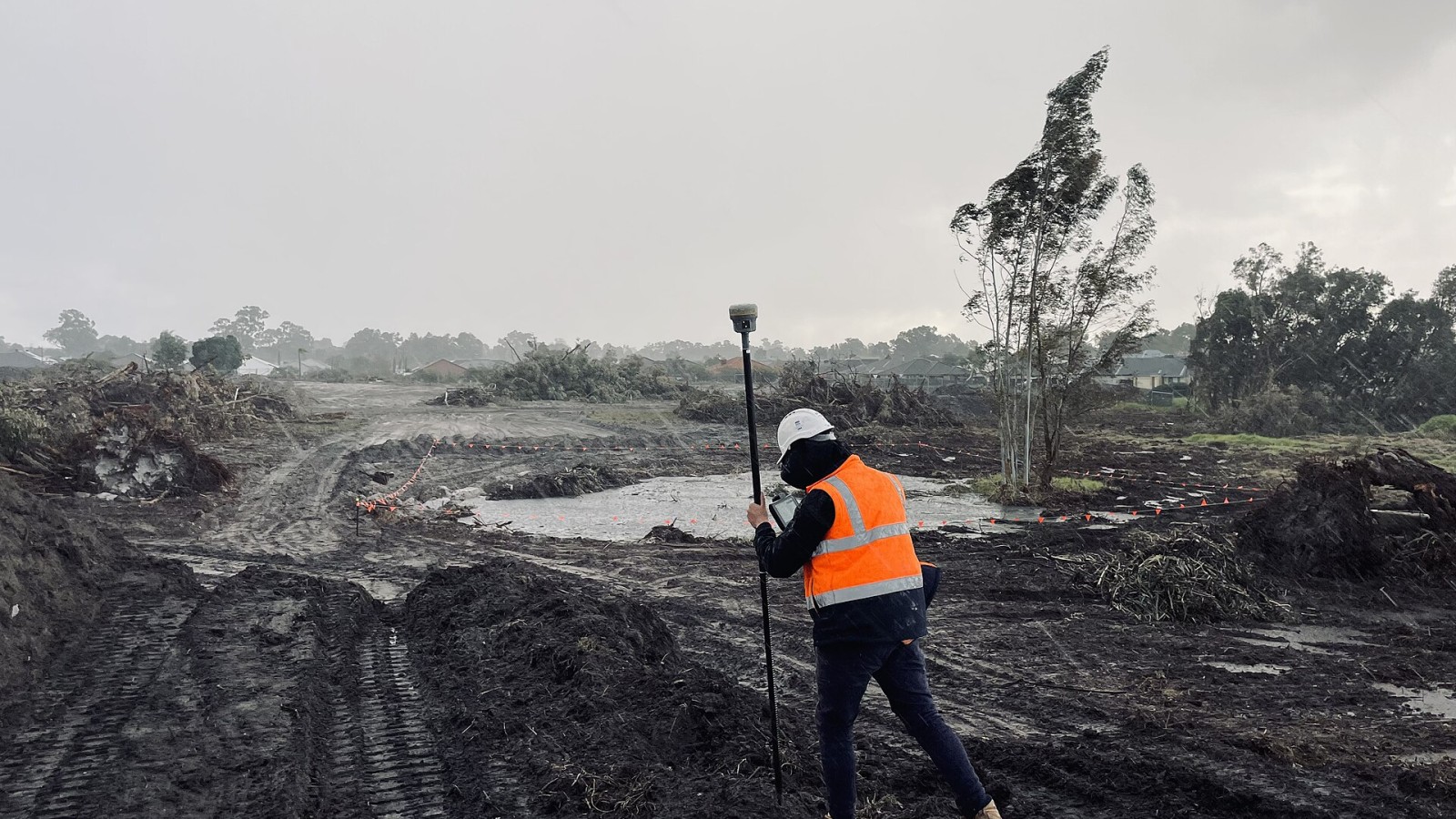
The field method is to confirm installed instruments and communication equipment from authorised areas while treating control-system details as security-sensitive. Observations should be dated, geolocated where appropriate and made from safe, lawful positions. Photographs require captions and a stated field of view. Concealed work, system performance and technical causation must be supported by tests or qualified interpretation rather than inferred from appearance.
Compare like with like
The same questions should be applied to every item in the sample: approved scope, baseline date, current stage, measured work, payment, defects, commissioning and operating condition. This prevents one project being judged from a press release while another is judged from a detailed engineering report. Exceptions should be explained rather than silently excluded.
Seek response before publication
Right-of-reply requests should go to the water authority, control-room operators, instrumentation contractor and maintenance teams. Questions must identify the evidence, allow reasonable time and distinguish factual correction from opinion. Responses should be reflected fairly, while documents received after publication can support a transparent update or correction. Personal information unrelated to the public-interest question should be protected.
State the limits
An absent document may mean that it was not supplied, not that it never existed. A site visit records a moment, not the full construction history. Sampling cannot establish conditions at every asset. The article should name these limits and identify which record or test would resolve the remaining uncertainty. Clear limits make supported findings stronger.
The public-interest test
Better information can reduce interruptions and water loss, but only when instrumentation reliability and response procedures are measured together. The purpose is to connect official claims, public spending and service outcomes through evidence. It is not to imply wrongdoing from delay, defect or disagreement alone. Construction projects change for legitimate reasons, but those reasons should have dated authority and a traceable effect on scope, cost and programme.
What publication should include
The final article should publish the method, sample, reporting date, key documents, material responses and the evidence behind each conclusion. A reader should be able to distinguish fact, analysis, observation and unanswered question. Links to official records should be preserved where publication is lawful and safe.
Editorial note
This document-led investigation framework does not allege wrongdoing by any unnamed project or party. Findings require project-specific records, fair response and appropriately qualified technical interpretation.
Sources
- Blue, Green and No Drop reports — Department of Water and Sanitation
- Municipal Finance Management Act audit outcomes — Auditor-General South Africa