The question behind the headline
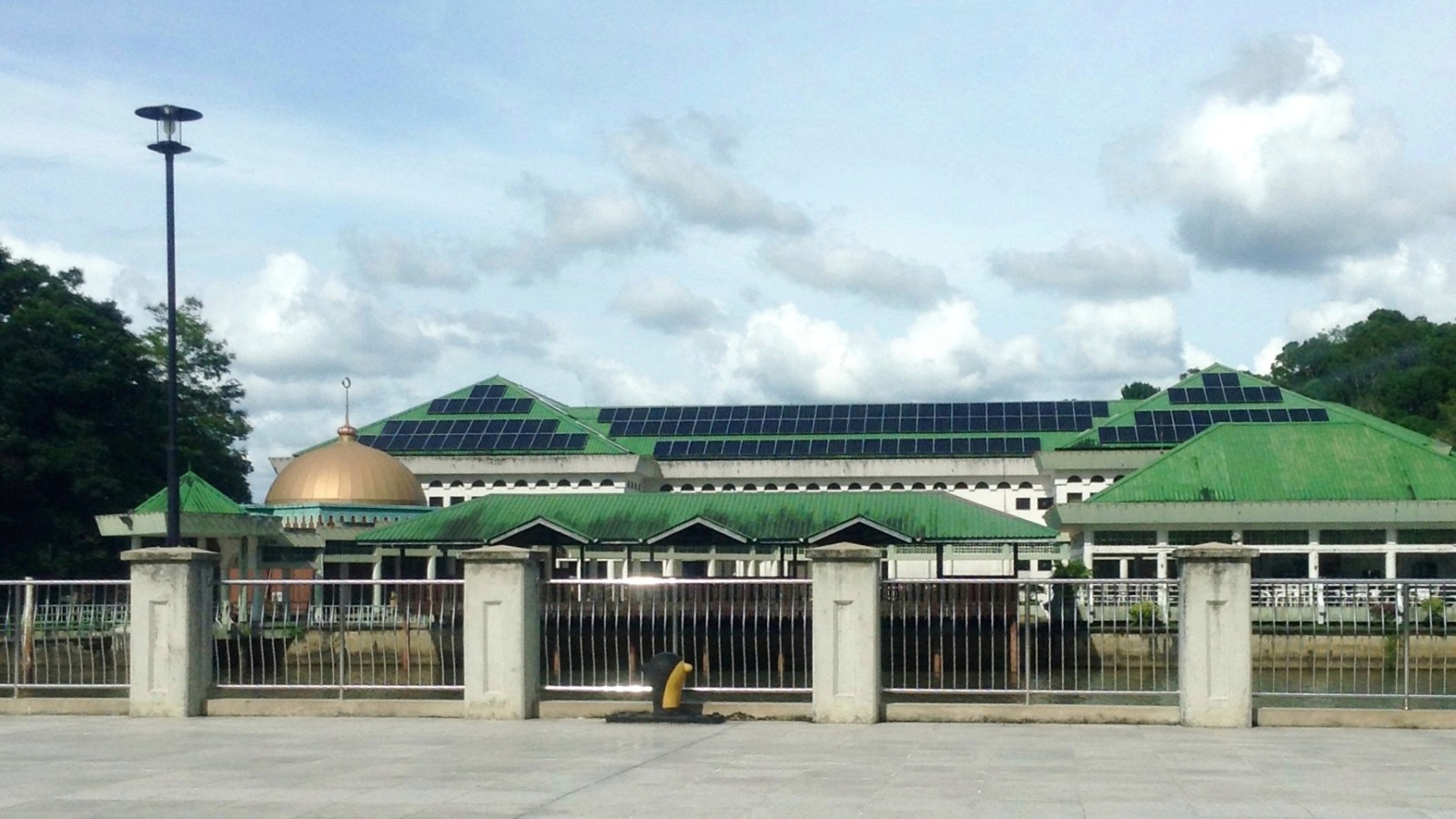
a publicly funded rooftop solar installation is the subject of this investigation framework. The inquiry should define the promised capacity, cost, commissioning date and savings metric.
A responsible investigation starts by defining the claim precisely. Project name, location, scope, responsible institution, contractor role, reporting date and completion milestone should be fixed before evidence is gathered. Without that discipline, documents from different phases can be combined into a misleading story and later changes can be mistaken for facts that existed at the time.
Build the documentary trail
Designs, invoices, test certificates, inverter data, utility bills, meter records and maintenance logs create the comparison.
Documents are strongest when their dates and identifiers connect. Tender references should lead to awards and contracts; contract items should lead to measurements and certificates; completion records should lead to operating or maintenance evidence. Missing documents are a reporting finding only after the responsible custodian has been asked for them and any lawful access limits are explained.
Test the claim on the ground
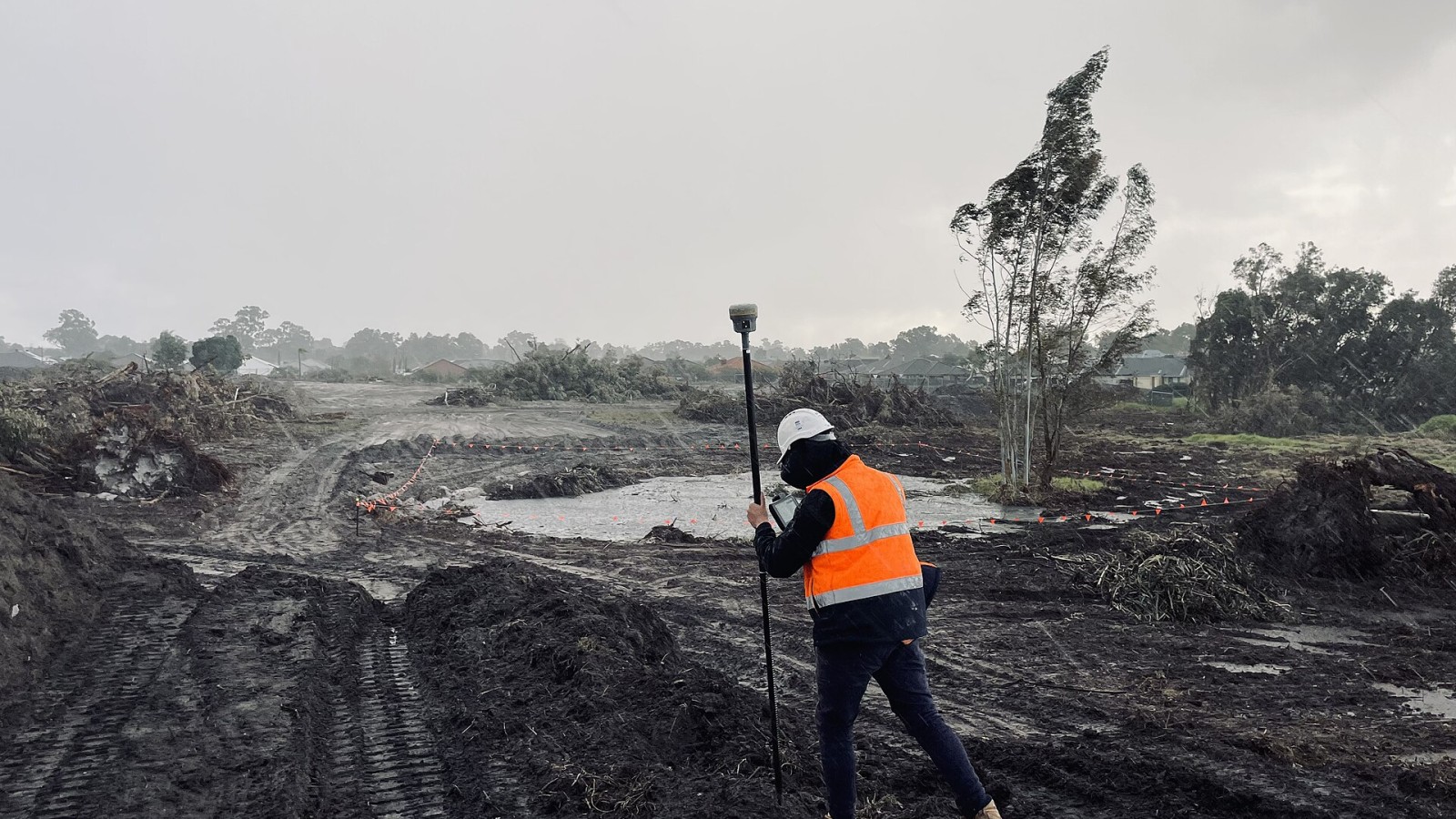
Site work should confirm array condition, shading, isolation, metering and whether the building is operating as assumed.
A site visit records conditions at a particular time. Photographs need dates, locations and captions, and they should not be presented as proof of conditions outside the frame. Reporters should distinguish direct observation from statements by residents, workers or officials. Technical interpretation should be checked with an appropriately qualified person when the conclusion depends on design or specialist performance.
Follow procurement and payment
Savings calculations must separate tariff change, load reduction, outages and exported energy from actual generation benefit.
Expenditure alone does not prove delivery, and a completed asset does not prove that every procurement step was compliant. The investigation should keep these questions separate while tracing how they interact. Variations, extensions and emergency procedures can be legitimate; the test is whether authority, reason, value and resulting work are supported by the record.
Put responsibility in the correct place
The owner, installer, energy specialist and users should explain anomalies and data gaps.
Every material person or institution should receive a specific summary of the evidence and reasonable time to respond. Questions should identify dates, documents and apparent conflicts. Responses should be checked against the underlying record, quoted accurately and included even when they complicate the original premise. Silence should be reported as silence rather than treated as an admission.
What the evidence can establish
The story can state what the meters support, what remains uncertain and which operating changes affect future performance.
The conclusion should separate verified fact, supported inference, contested explanation and unanswered question. Readers need to know the limits of the sample, whether conditions may have changed and which document would resolve remaining uncertainty. Clear limits make the supported finding stronger, not weaker.
Method and public interest
This article sets out a document-led reporting method for examining public construction delivery. It does not allege wrongdoing by any unnamed project or party. The public-interest purpose is to connect spending and official claims to verifiable assets, services and decisions while preserving fairness, technical accuracy and the right of reply.
Sources
- Energy Performance Certificates programme — South African National Energy Development Institute
- Local government audit outcomes — Auditor-General South Africa