The issue
This document-led investigation framework examines commissioning of a public clinic. It defines what can be established from records and observation before any conclusion is written.
The inquiry should separate construction completion, clinical readiness and the date patients actually gained access.
Construction reporting is clearest when scope, location, responsibility and reporting date are stated at the beginning. A headline milestone can describe real progress while still leaving design, procurement, commissioning or maintenance work outstanding. Naming those stages prevents readers from treating one event as proof that the whole service is complete.
Evidence that should exist
Contracts, test sheets, occupancy approvals, equipment lists, staffing records and maintenance handover create the timeline.
Documents become more reliable when identifiers and dates connect across the file. A tender reference should lead to an award and contract; an instruction should lead to measured work; a test should identify the asset or location it covers. Where information is missing, the gap should be described precisely and put to the responsible custodian.
What can be checked on site
A visit can document public access and operating areas while respecting patient privacy and controlled spaces.
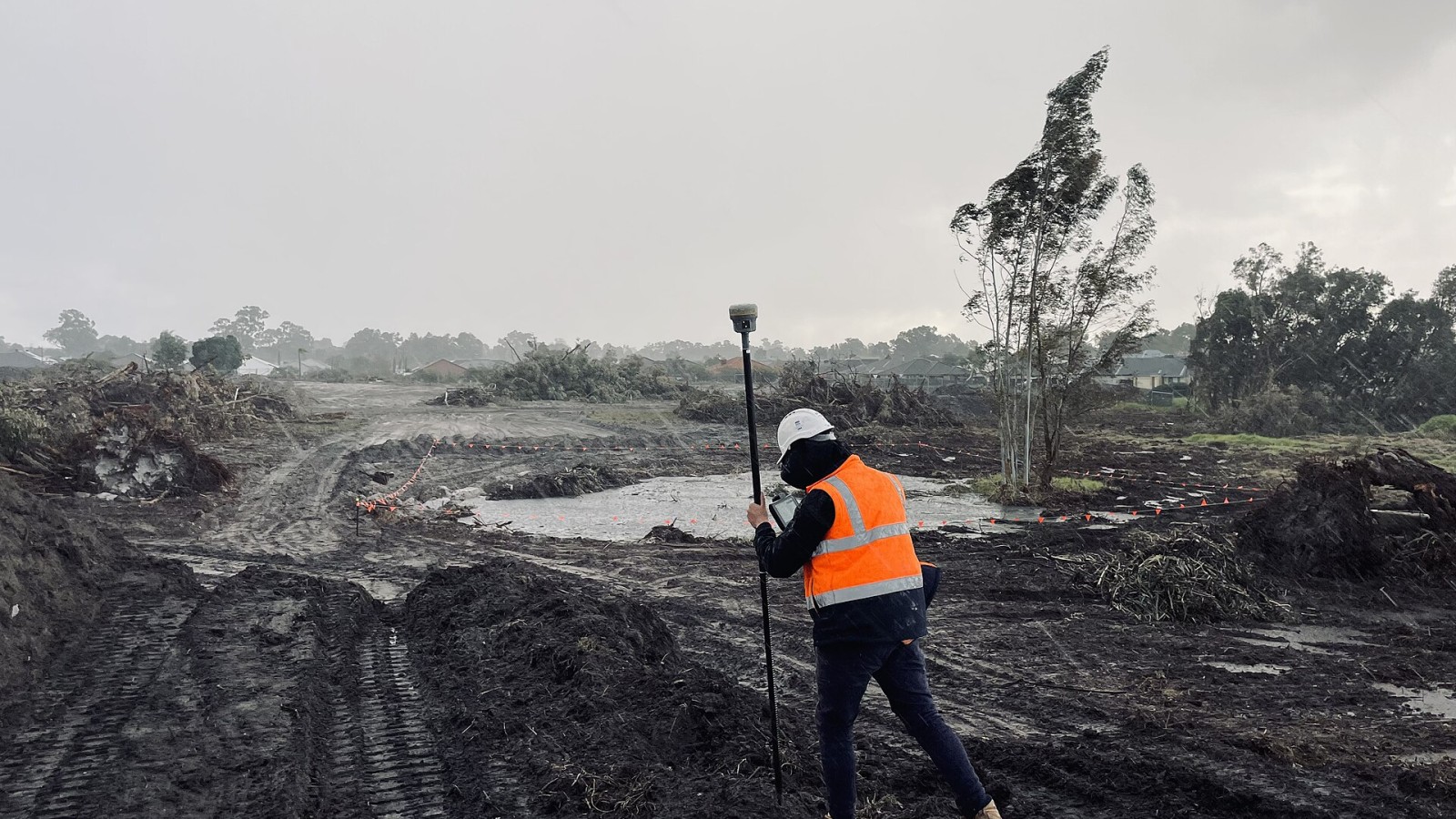
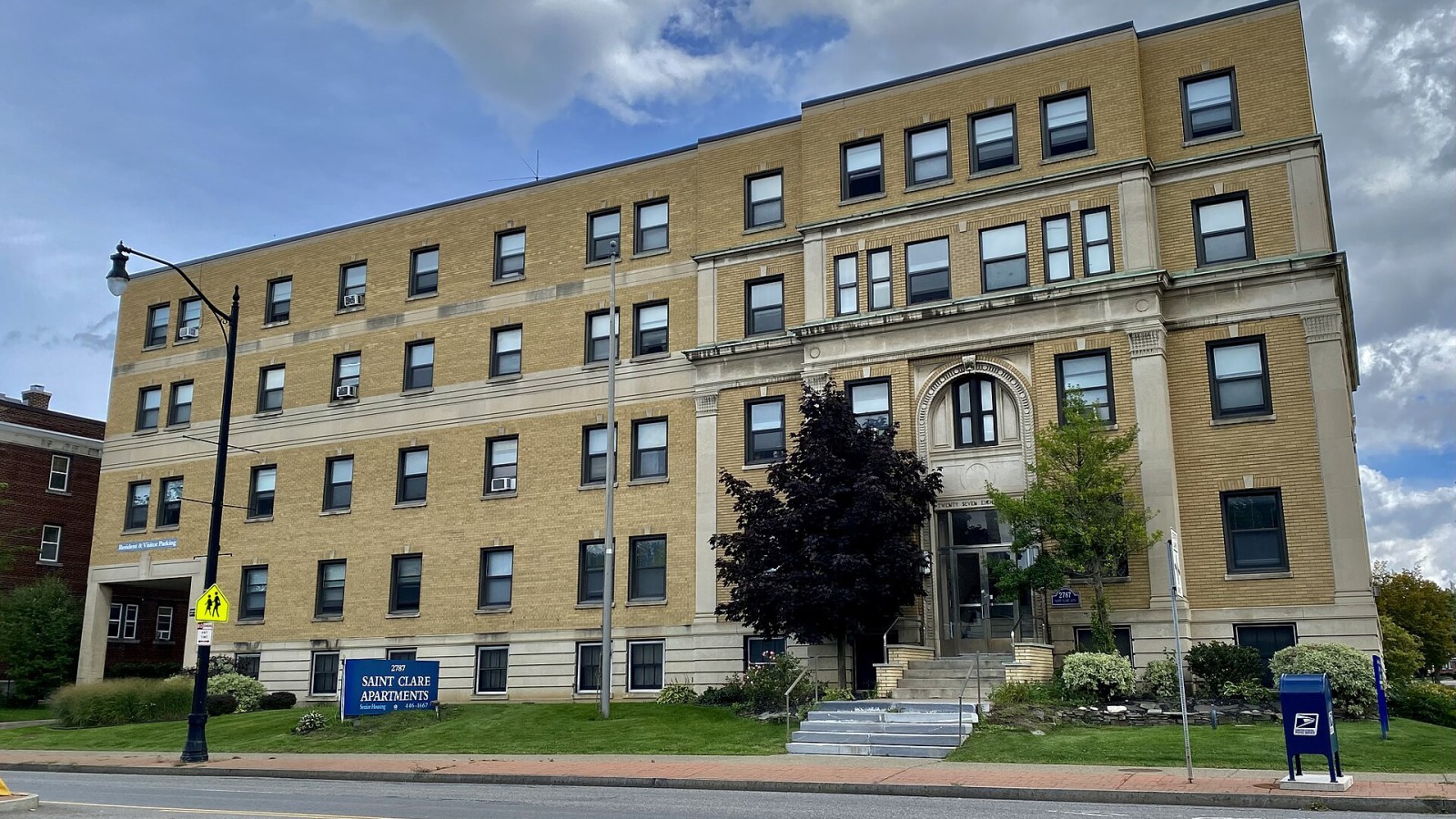
A site visit records conditions at one moment. Photographs need accurate captions, locations and dates, and visible conditions should not be stretched into conclusions about concealed work. Safe access, privacy and operating restrictions take priority. Technical interpretations should be checked with an appropriately qualified person when the conclusion depends on specialist design or performance.
Programme, cost and responsibility
Health authority, contractor, professional team and facility management should respond to precise commissioning gaps.
Programme and cost records should be read together without assuming that expenditure equals physical completion. Variations, extensions and revised methods can be legitimate. The test is whether the reason, authority, price, time effect and resulting work are documented consistently. A delayed activity should be linked to the part of the programme it actually affected.
Questions for the project team
The client should explain the approved scope and acceptance decision. The professional team should identify the design basis, inspections and unresolved technical matters. The contractor should describe the work completed, records submitted and constraints encountered. Operators or users should explain whether the asset performs as intended after handover. Each answer should be checked against the same dated evidence.
What good follow-through looks like
Good follow-through assigns every open item to a person, deadline and verification step. Defects need evidence of correction, commissioning needs operating results, and promised maintenance needs a funded plan. Publishing that sequence helps readers distinguish a temporary problem from a persistent control weakness and gives the responsible institution a fair basis for updating the record.
The final account should separate verified fact, supported inference, contested explanation and unanswered questions. Each material party should receive specific questions and a reasonable opportunity to respond before publication.
Editorial note
This article provides public-interest construction information based on the linked official sources. It does not allege wrongdoing by any unnamed project or party and does not replace project-specific engineering, legal, financial or safety advice.
Sources
- National Building Regulations and Building Standards Act — South African Government
- Construction Regulations, 2014 — Department of Employment and Labour