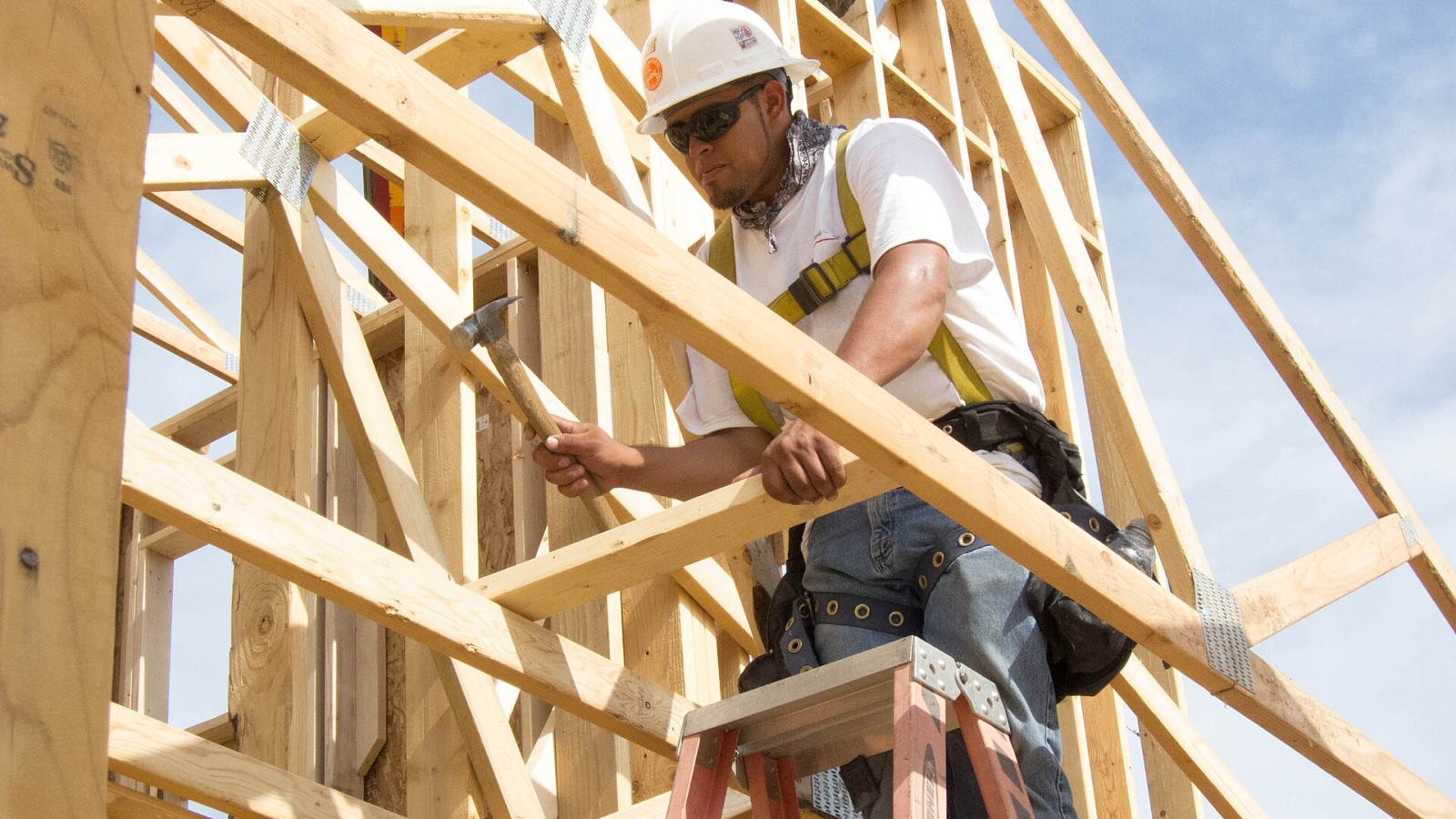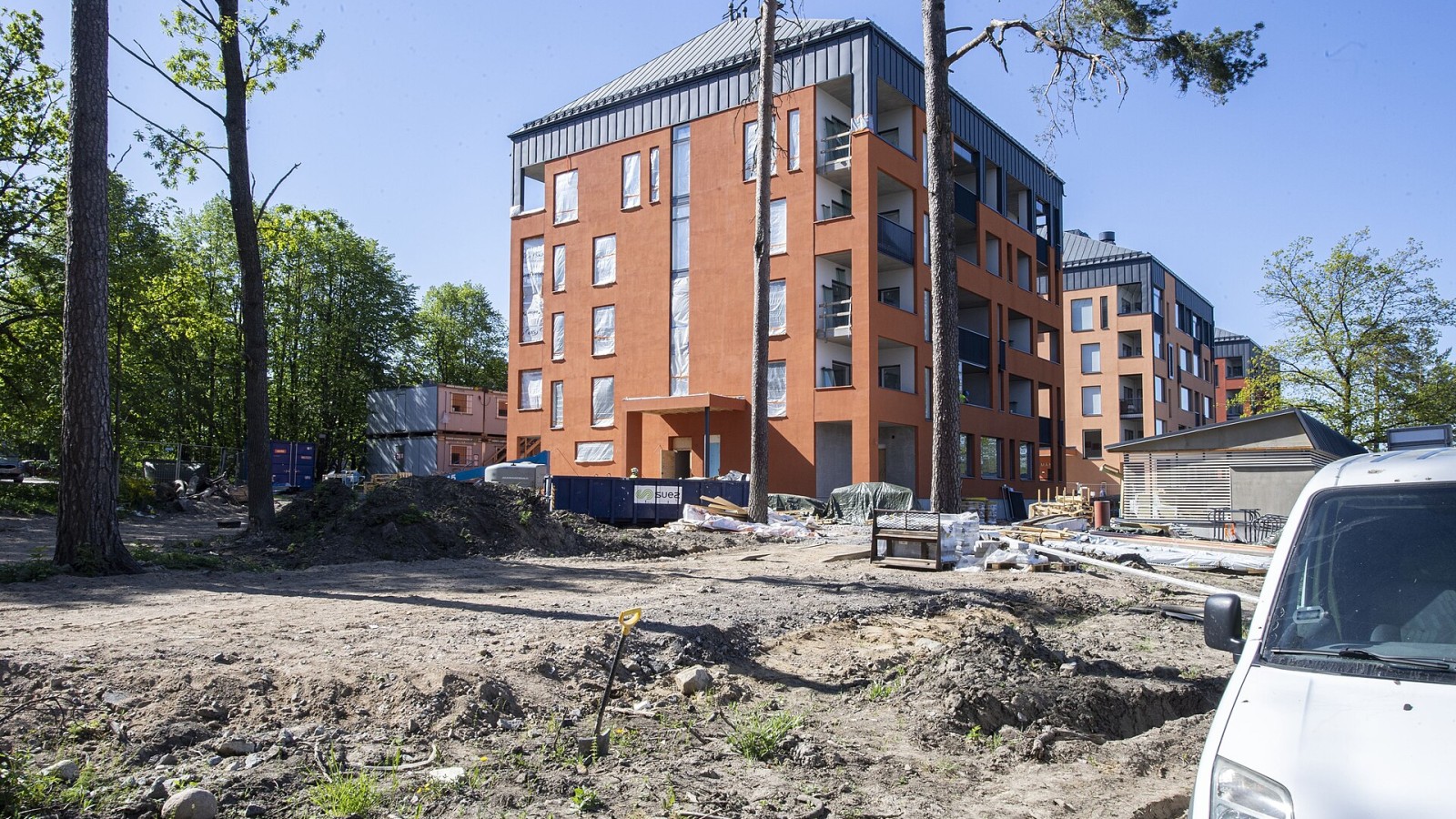
Start with the house and the site
A townhouse boundary can fail when later services create unsealed openings. For an owner, the practical subject is protecting party walls roofs and service penetrations. Fire-resisting construction should remain continuous and documented through alterations. The right response depends on the approved design, ground conditions, climate, materials, workmanship and how the home will be used. A general guide can help an owner ask better questions, but structural, electrical, fire and drainage decisions should be confirmed by the appropriately competent professional.
Put the requirement in writing
Drawings and specifications should describe the expected result before work begins. Product names alone are not enough: location, preparation, dimensions, falls, fixings, junctions and testing may determine whether the installation performs. The quotation should use the same description so the owner can compare offers and understand what is excluded. Any municipal approval or statutory inspection should be identified before the programme is agreed.
Choose the builder and team carefully
Check legal identity, relevant registration, recent work and who will supervise the site. References are more useful when the owner asks about communication, changes, defects and completion rather than only whether the finished room looked attractive. The contract should state the scope, price basis, payment stages, programme, access, insurance, waste removal and process for changes. Important promises should not remain in messaging threads or verbal conversations.
Inspect before work is covered
Many failures become expensive after finishes conceal them. Owners or appointed professionals should inspect setting out, excavation, reinforcement, membranes, pipes, cables, flashings and waterproofing at the appropriate stage. Photographs need a room, elevation or grid reference. An inspection does not transfer responsibility for workmanship, but it creates an opportunity to correct a problem while the relevant trade and access are still available.
Control water first
Water is one of the most persistent causes of damage in homes. Roof drainage, ground levels, joints, wet areas, pipework and external openings must direct water away without trapping it inside the construction. protecting party walls roofs and service penetrations should be checked alongside adjacent details because a sound product can still fail at a penetration, threshold, outlet or change of material. Testing should happen before sensitive finishes and cupboards make repair disruptive.
Manage cost without buying future defects
A low initial price can exclude preparation, protection, compliant components or testing. Compare quantities, quality, labour, access equipment, waste, warranties and tax on the same basis. Payments should follow visible, agreed progress and retain enough value to complete outstanding work. When the owner changes the scope, the price and time effect should be approved before the altered work proceeds.
Safety and daily site discipline
Even a small renovation is a construction site. Access, electricity, excavations, work at height, dust, tools and stored materials require planning. Children, neighbours and occupants should be separated from work areas. The contractor should leave emergency routes usable and keep the site orderly. Good housekeeping protects people and also makes workmanship easier to inspect.
Handover and the first year
The owner should receive approvals, certificates, product information, warranties, colour and material schedules, test results and maintenance instructions relevant to the work. A room-by-room snag list should identify exact locations and deadlines. Fire-resisting construction should remain continuous and documented through alterations. The first rains and seasonal movement may reveal issues that were not visible on handover, so notices should be made in writing and within applicable contractual or statutory periods.
Keep a durable home record
Store the approved plans, contract, invoices, photographs, certificates and correspondence together. Future repairs are safer when the next contractor knows where services run and which products were used. A complete record also helps an owner explain alterations to insurers, buyers, professionals and the municipality. The goal is a home that can be operated and maintained with fewer surprises, not only a project that looked complete on the last day.
Sources
- Why a new home must be enrolled — National Home Builders Registration Council
- National Building Regulations and Building Standards Act 103 of 1977 — South African Government
- National building legislation and application guidance — City of Cape Town