The central argument
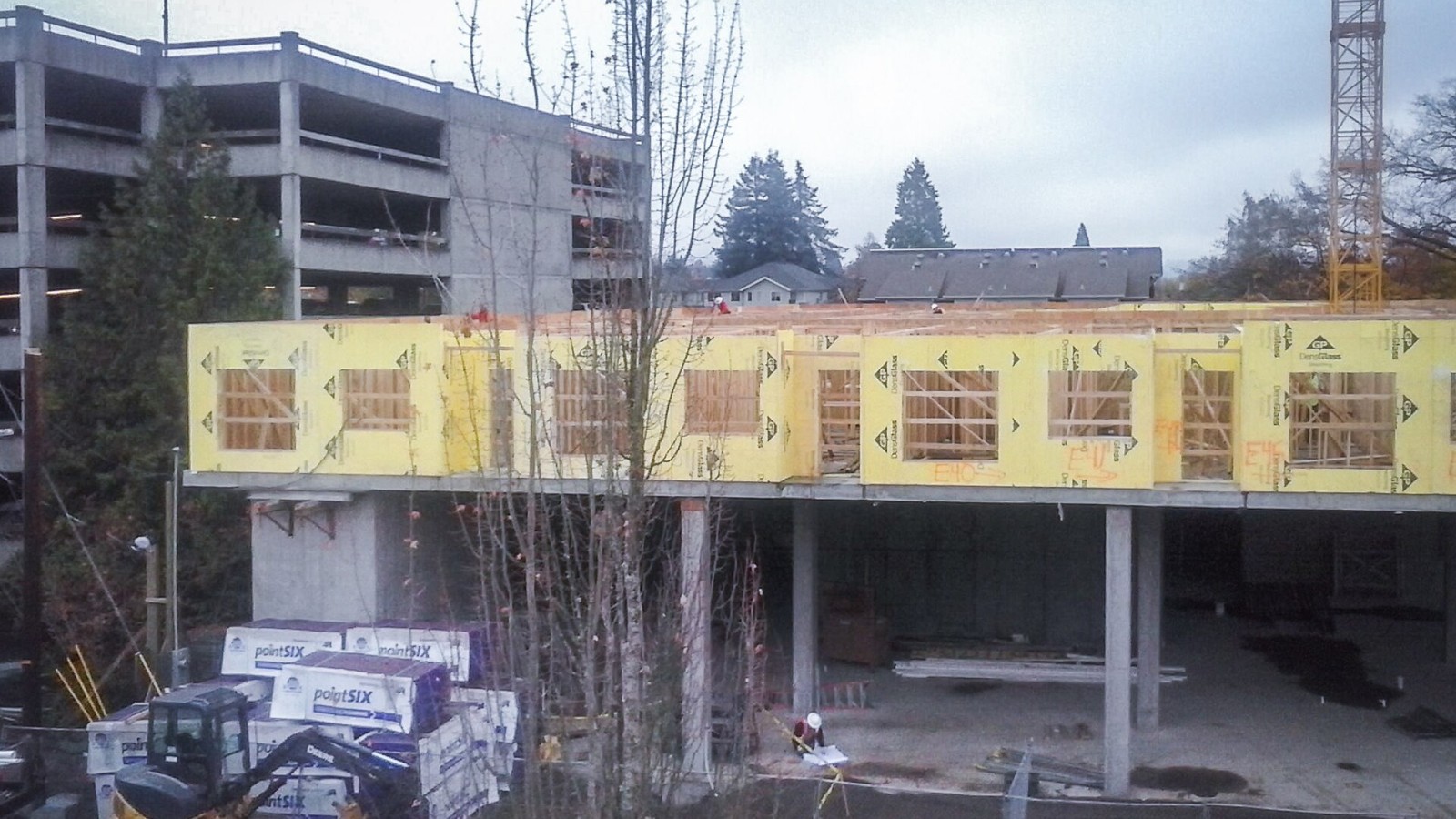
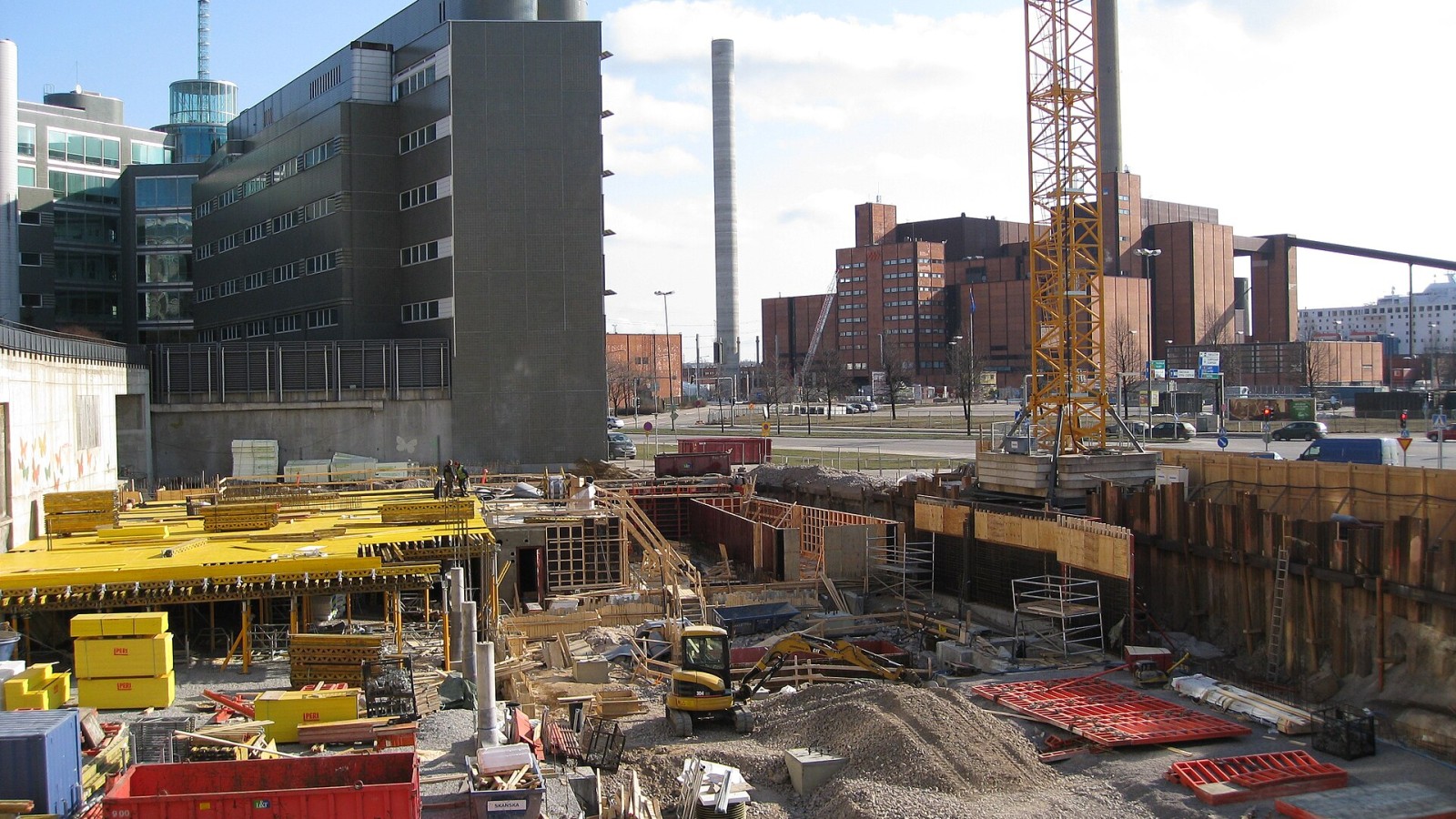
A construction photograph looks precise, yet it can be remarkably ambiguous. A wide lens exaggerates distance, a close crop hides unfinished surroundings and a repeated angle can make one active workface stand in for an entire scheme. The image is useful when the reader knows exactly what it shows and what it cannot establish. This requires more than a good intention: it needs a process, a responsible person and evidence created at the right time. For Site photographs need fixed viewpoints and honest captions, the claim is deliberately practical. It asks scheme teams to connect the stated performance target to the decisions and resources that can produce it, rather than treating the performance target as language for a launch or policy document.
From principle to the workface
Projects should nominate fixed viewpoints before major work begins, account their locations and repeat them at agreed intervals. Additional images can follow specific activities, defects or inspections. The process should preserve original files, camera time, caption records and a link to the relevant area or asset identifier. The process should be proportionate to the facility or scheme, but it must survive ordinary constraints such as incomplete records, programme pressure, limited facilities work capacity and several organisations sharing one interface. Early coordination usually creates more choices than a repair made after occupation.
A account another person can test
A defensible caption states the date, location, direction, visible activity and photographer. Metadata, drawing references and inspection records can strengthen the trail. Images cannot prove concealed reinforcement, material strength, system capacity or contractual completion, so those claims require separate documents and tests. Records need dates, locations, authors and a clear relationship to the decision being tested. A certificate, photograph, model or spreadsheet can support one part of the account without proving the whole result. Where evidence is missing, the article or scheme report should identify the gap instead of converting it into certainty.
Testing the proposition
A practical audit should begin with the approved performance target and trace a representative item through design, procurement, construction and operation. Evidence created for another purpose may still help, but the reviewer must explain its limits and give responsible parties a fair opportunity to correct factual gaps. This is the stated assessment basis for Site photographs need fixed viewpoints and honest captions.
Reading the compromise honestly
Strict photographic routines take time and storage, but inconsistency creates a larger budget impact when teams later dispute access, progress or condition. Privacy and site security also matter. The account should avoid unrelated personal detail and should control images that reveal vulnerable infrastructure or neighbouring property. Initial budget impact remains important because unaffordable projects serve nobody, yet affordability should include operation, inspection, repair, downtime and replacement. A decision that removes budget impact from the construction contract can simply move a larger obligation to residents, workers or the future facilities work budget.
Authority and accountability
The delivery contractor can create the routine account, while the professional team identifies hold points and verifies significant conditions. Clients decide retention and access rules. Editors using the material must avoid captions that turn a partial view into a broader claim than the image supports. Ownership should follow authority. People cannot be held accountable for a decision they were not allowed to make or records they did not control. Equally, an organisation with approval power should not hide behind a broad reference to the team when a documented action is overdue.
Fair reporting
Fairness protects the public account as well as the people named in it. A delivery contractor should not be blamed for an instruction it did not control, and a commissioning body should not be blamed for a defect without evidence of cause. The article should connect each conclusion to a dated source, observation or response and correct the account when stronger evidence becomes available. This fairness test applies specifically to Site photographs need fixed viewpoints and honest captions.
A workable change
Create a one-page photographic protocol with viewpoint numbers, naming rules, minimum caption fields, retention periods and approval for publication. Audit a monthly sample against the site diary and programme so gaps are corrected while the work is still visible. The change can begin on current projects without waiting for a new national programme. Start with one defined assessment, keep the output short, assign actions and return to the result. Repetition turns a good idea into ordinary delivery discipline and shows which requirements add value.
Returning to the result
A first report should state when the performance target can next be tested. Returning after occupation connects design intent with facilities work, comfort, safety and service reliability. It also gives competent scheme teams a fair chance to demonstrate performance beyond the pressure of handover day. That follow-up belongs to the continuing account for Site photographs need fixed viewpoints and honest captions.
The conclusion
Honest construction photography does not need to be dull. It needs enough context for another person to understand the moment and test the claim attached to it. This analysis does not claim that one process fits every asset. It argues for a visible performance target, evidence proportionate to risk and an honest account of constraints. That combination lets readers and scheme teams judge performance without confusing aspiration with completion.
Source note
The linked public sources provide the South African regulatory, procurement or professional context for Site photographs need fixed viewpoints and honest captions. Applying the argument to a named scheme would still require its approved records, dated site evidence and fair comment from the responsible parties.
Sources
- Code of Ethics and Conduct for South African Print and Online Media — Press Council of South Africa
- CIDB Infrastructure Gateway Reviews System — Construction Industry Development Board